The Convention and Statute of the
Lake Chad Basin Commission
Home
>
The Convention and Statute of the Lake Chad Basin Commission
A Pillar of Regional Cooperation
A Legacy of Unity and
Purpose
On 22 May 1964, four visionary leaders, Presidents Ahmadou Ahidjo (Cameroon), Diori Hamani (Niger), Franois Tombalbaye (Chad), and Prime Minister Sir Abubakar Tafawa Balewa (Nigeria) signed the historic Fort-Lamy Convention, establishing the Lake Chad Basin Commission (LCBC). This foundational treaty marked the beginning of a regional journey toward cooperative water governance, environmental stewardship, and peaceful integration.
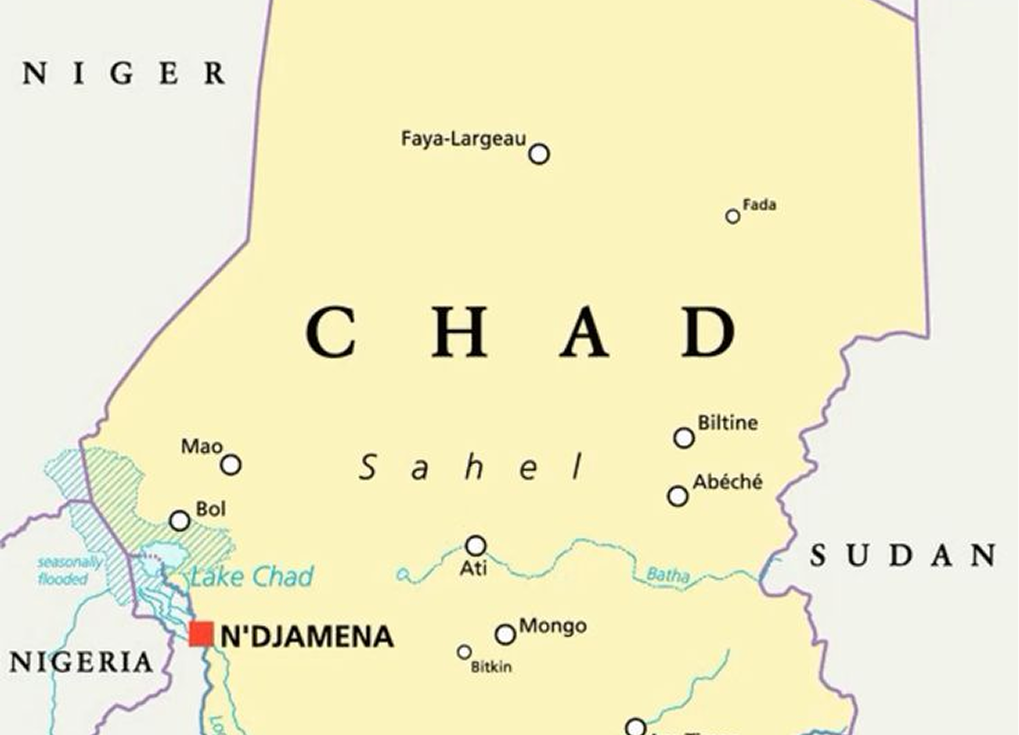
The Convention and its accompanying Statute laid the ground work for a shared commitment to managing the Lake Chad Basins vast resources, which span over 427,500 km2 and support millions of lives across six Member States: Cameroon, Chad, Niger, Nigeria, Central African Republic, and Libya.

Core Mandates of the Convention
The Convention and Statute define the LCBCs legal and institutional frame work, empowering it to:
· Manage the waters of Lake Chad and other transboundary water resources in a sustainable and equitable manner.
· Conserve the ecosystems of the conventional basin.
· Promote regional integration, peace, and security among Member States.
These mandates reflect the Commissions enduring commitment to solidarity, mutual support, and coordinated development.
Governance Structure Anchored in the Statute
The Statute outlines a robust governance architecture comprising:
The Summit of Heads of State and Government
The highest decision-making body providing strategic direction.
The Council of Ministers
Responsible for supervision, policy formulation, and oversight.
The Executive Secretariat
Tasked with implementing decisions and managing day-to-day operations.
Consultative Committees
Facilitating expert input and stakeholder engagement.
This structure ensures that decisions are inclusive, technically sound, and regionally responsive.
Evolution and Endurance
Over the decades, the LCBC has expanded its membership and influence, adapting to emerging challenges such as climate change, water scarcity, and security threats. The Convention has proven resilient, guiding the Commission through periods of drought, conflict, and environmental degradation.
In 2012, the adoption of the Water Charter further strengthened the legal framework, aligning LCBCs operations with Integrated Water Resources Management (IWRM) principles and the Vision 2025 strategic plan.
Evolution and Endurance
The Convention and Statute remain the cornerstone of LCBCs mission. They embody the spirit of regional cooperation, enabling Member States to work together in safeguarding their shared heritage and building a future of peace, prosperity, and sustainability.
As the LCBC continues to evolve, the Convention stands as a testament to what nations can achieve when they unite around common goals and shared values.