LCBC Launches PARFEBALT Project to Restore Lake Chad Basin Ecosystems and Livelihoods
N’Djamena, Chad – 4 May 2026
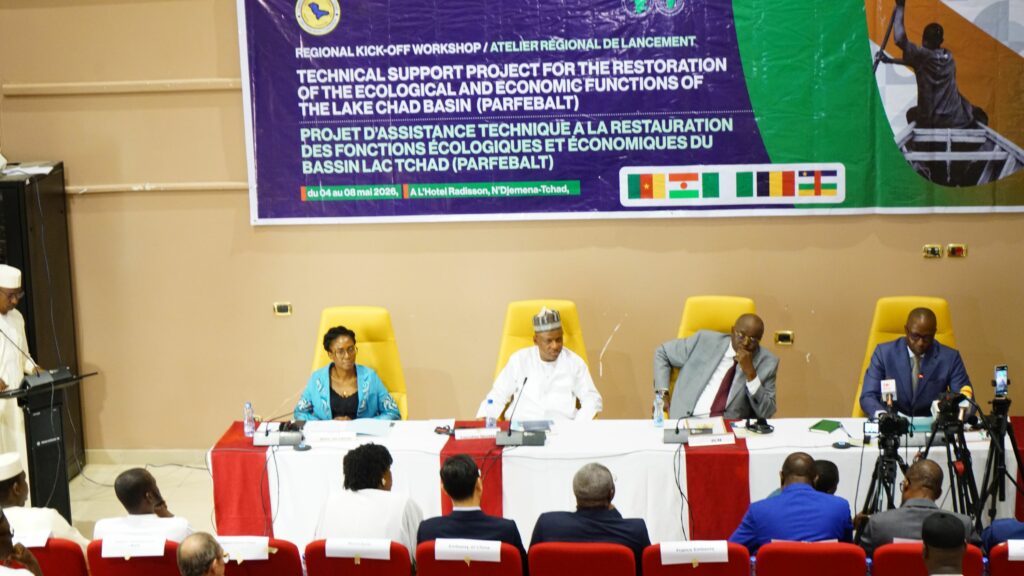
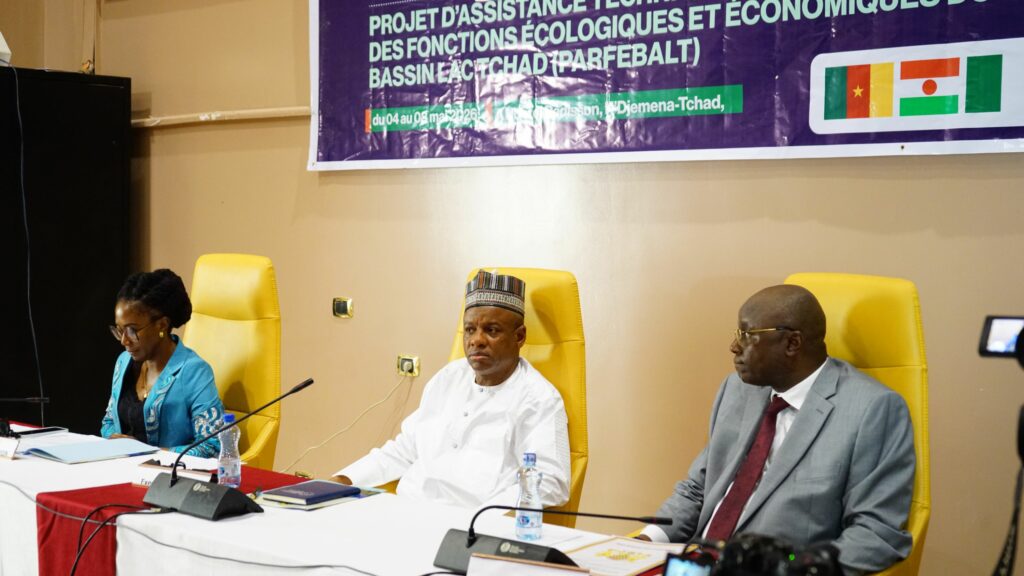
The Lake Chad Basin Commission (LCBC), in partnership with the African Development Bank (AfDB), has officially launched the Project to Support the Restoration of the Ecological and Economic Functions of the Lake Chad Basin (PARFEBALT) in N’Djamena, Chad.
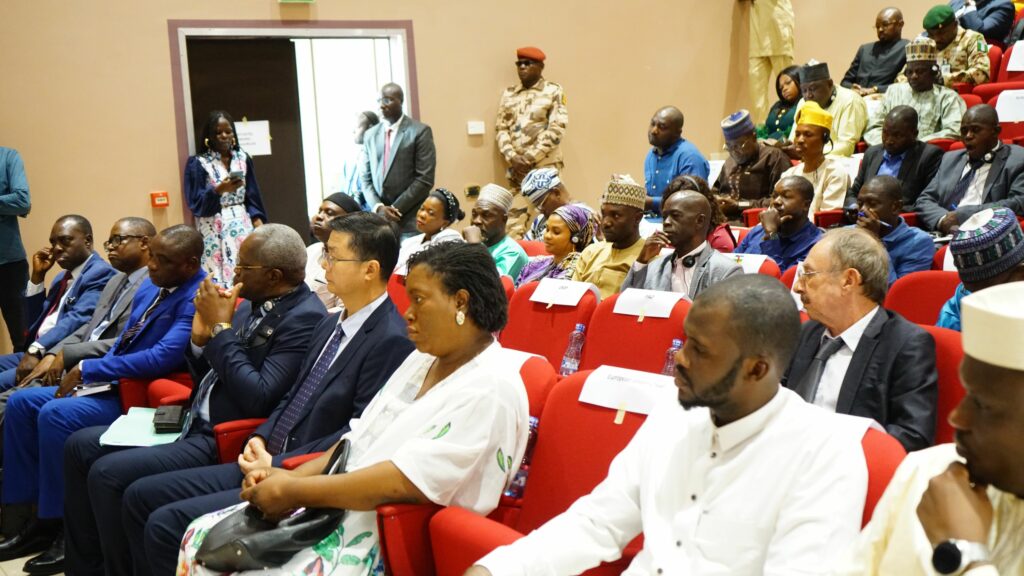
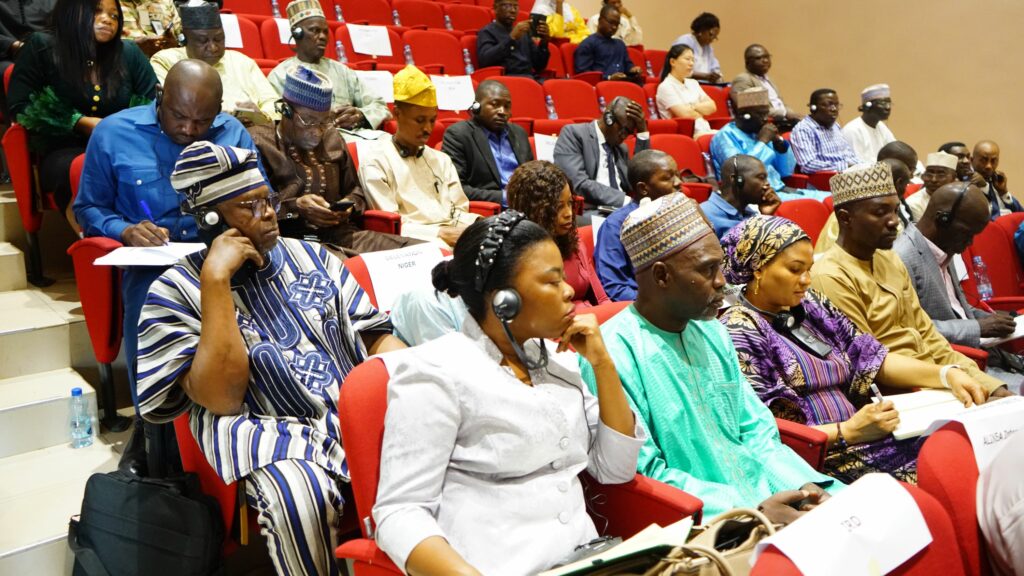
The five-day workshop (4–8 May 2026) brings together key stakeholders from LCBC Member States, technical and financial partners, and regional institutions, marking a critical milestone in efforts to revitalize the Lake Chad Basin.
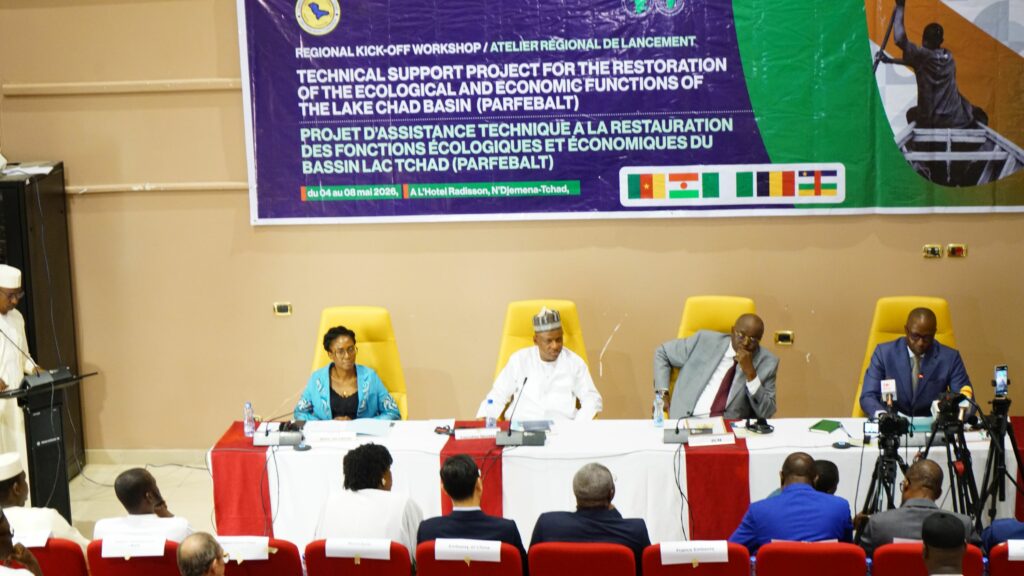
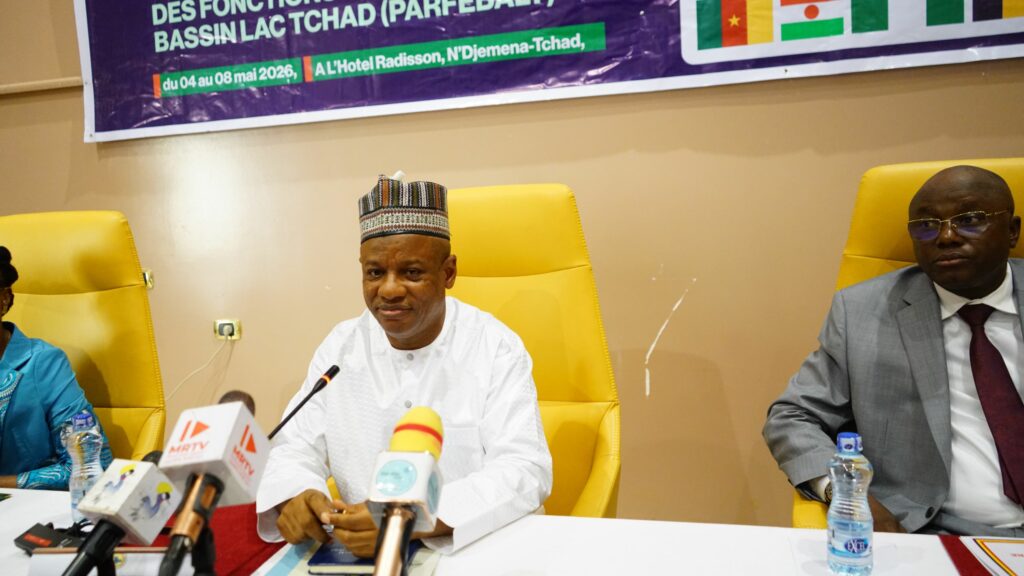
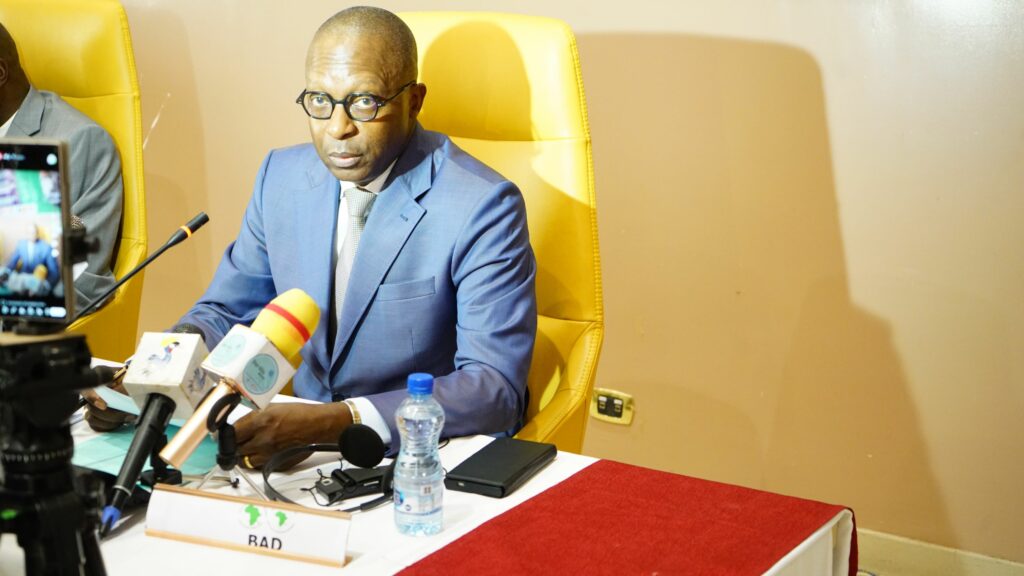
The opening ceremony was chaired by the Honourable Minister of Water and Energy of Chad, the Executive Secretary of the LCBC, representatives of the African Development Bank, the African Union, and other distinguished partners.
A Strategic Project for a Fragile Ecosystem
The Lake Chad Basin is one of Africa’s most important transboundary ecosystems, supporting the livelihoods of over 45 million people across Cameroon, Chad, Niger, Nigeria, and the Central African Republic. However, the basin has faced decades of environmental degradation driven by climate change, reduced water inflows, and growing pressure on natural resources.
In response to these challenges, PARFEBALT has been designed as a regional technical support initiative to build the foundations for large-scale restoration of the basin’s ecological and economic functions, while strengthening the resilience of its populations.
The project, financed by the African Development Bank to the tune of UA 7 million, will focus on enhancing knowledge of water resources, improving governance, and mobilizing investments for long-term revitalization efforts.
Official Launch and Key Messages
In his opening remarks, the Executive Secretary of the LCBC Amb. Ibrahim Babani emphasized the significance of the initiative, stating:
“The launch today represents a decisive step in affirming the shared, united, and visionary commitment of Member States of the LCBC to safeguard Lake Chad and its sustainable development.”
He further highlighted the urgency of action in the basin:
“The Lake Chad Basin… continues to face challenges of considerable magnitude, including climate variability and change, the gradual degradation of ecosystems, and increased pressure on natural resources.”
According to the Executive Secretary, PARFEBALT will play a critical role in strengthening technical capacity, improving monitoring systems, and mobilizing resources for large-scale regional investments, particularly for improving the hydraulic capacity of the Chari–Logone and Komadugu-Yobe river systems.
Objectives of the Kickoff Workshop
The Kickoff Workshop serves as the official starting point for the implementation of PARFEBALT and aims to:
- Present the project’s objectives, components, and expected outcomes
- Discuss and validate the terms of reference for key technical and socio-economic studies
- Strengthen the capacities of the Project Management Unit (PMU)
- Foster technical exchanges among Member States, LCBC, and partners
- Promote a shared understanding of implementation modalities.
The workshop will also include training sessions on project management procedures and a field visit to highlight key environmental challenges in the basin.
Building Foundations for Long-Term Impact
PARFEBALT is structured around three main components:
- Preparatory studies for a regional Lake Chad revitalization project
- Strengthening knowledge and monitoring of water resources
- Project management and institutional capacity-building
Through these components, the project aims to generate bankable investment programmes, improve climate resilience, and enhance coordination among countries sharing the basin.
The initiative is aligned with the LCBC Strategic Action Programme (2023–2035) and contributes to broader regional and global goals, including climate action, sustainable water management, and ecosystem restoration.
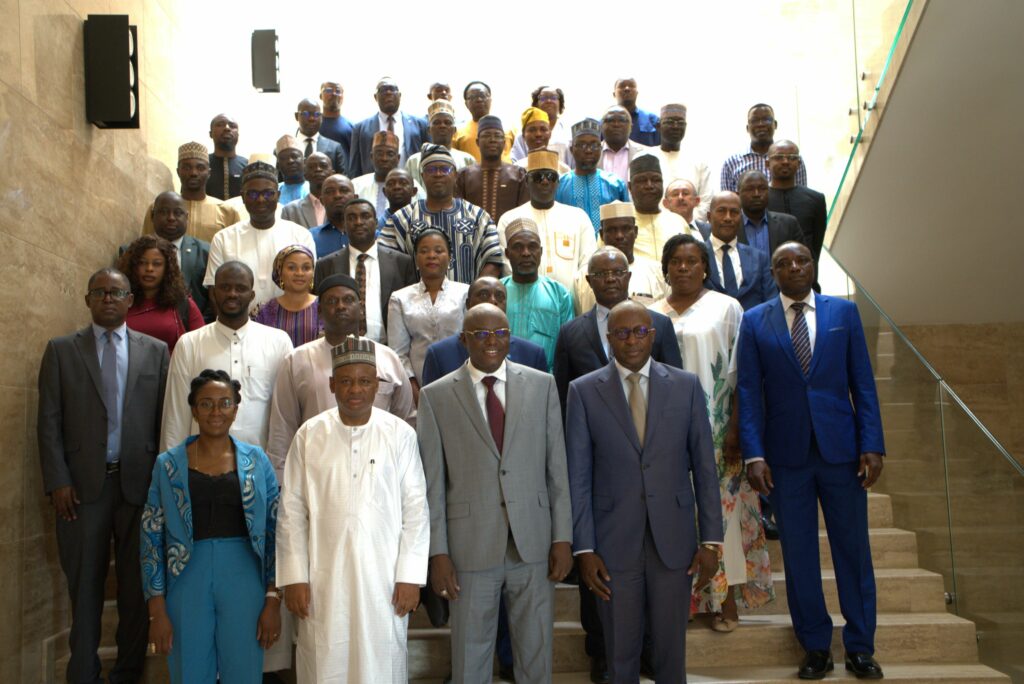
The launch of PARFEBALT marks a renewed commitment by Member States and partners to restore livelihoods, ecosystems, and stability in one of Africa’s most vulnerable yet vital regions.
👉 Read the full Press Release here