GLOBAL ENGAGEMENT
Lake Chad on the World Stage: LCBC and GIZ Team Take Basin’s Voice to Stockholm World Water Week 2026
By the GIZ-LCBC: Lake Chad Water Resources Management Program – LACHAWAMA
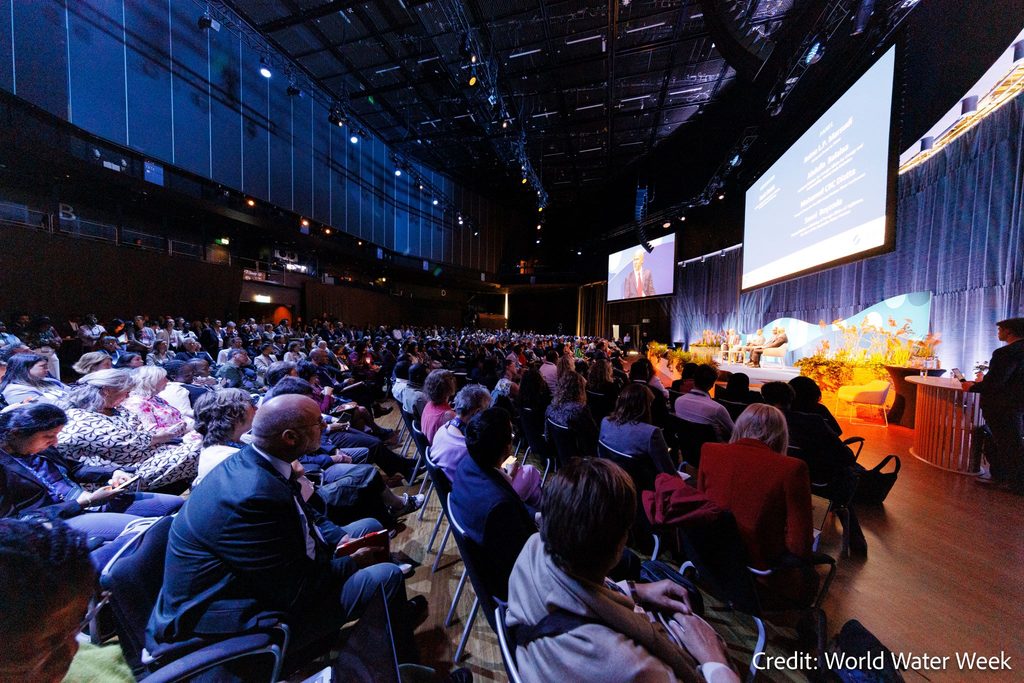
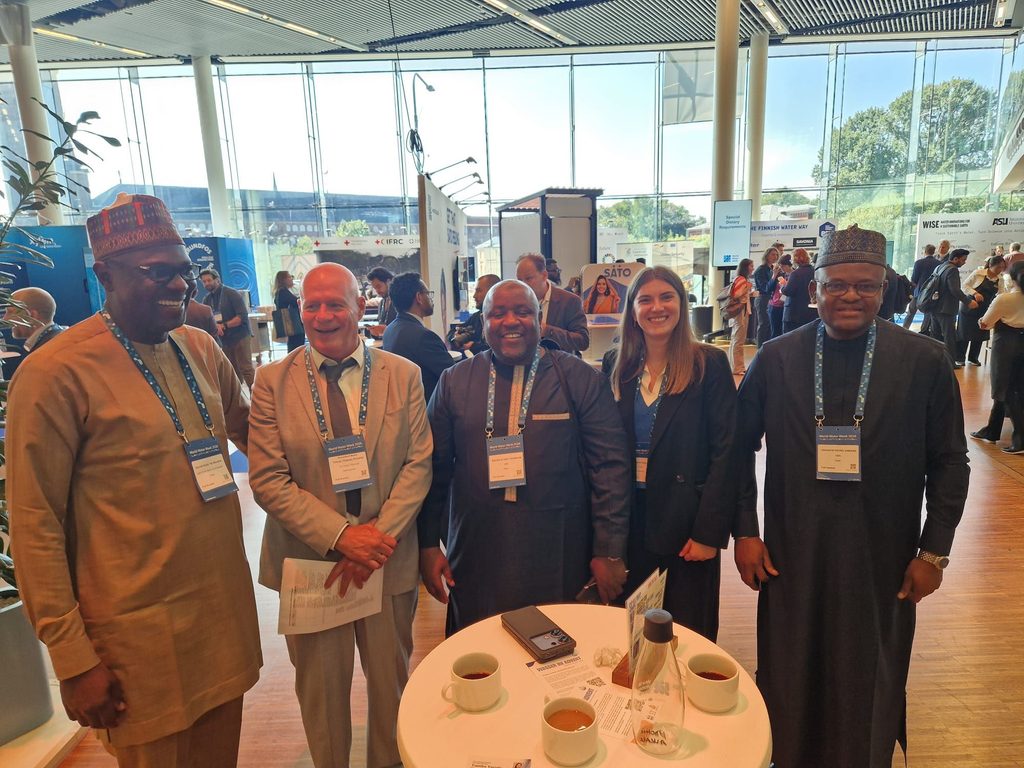
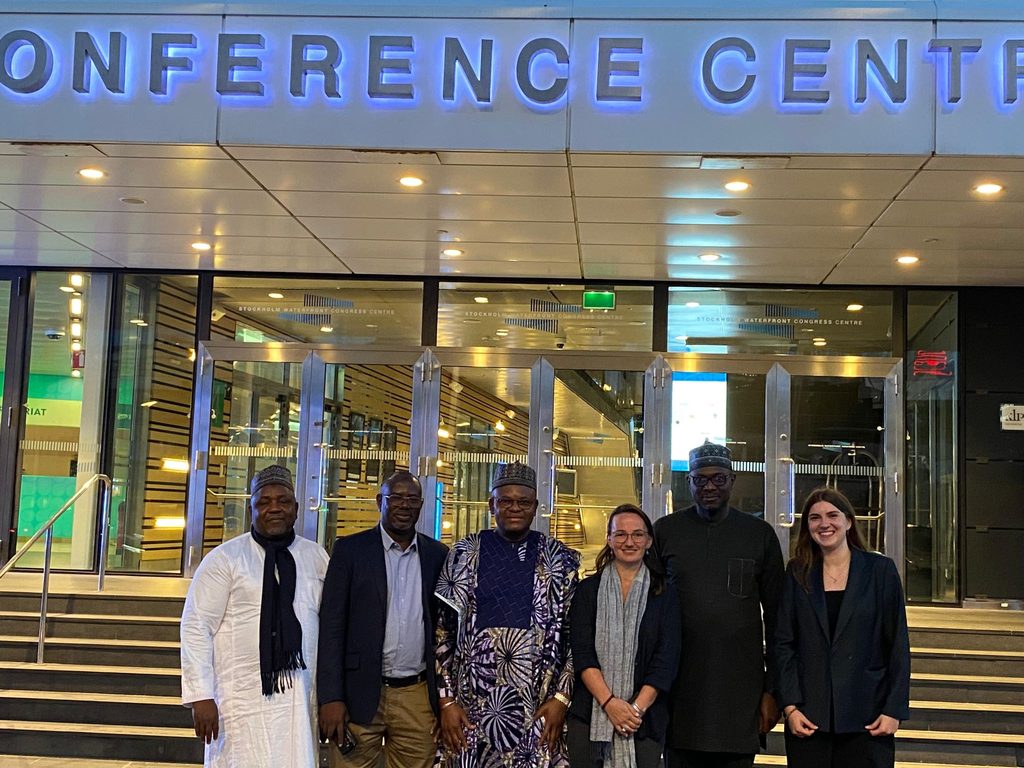
From 23 to 27 August 2026, the Lake Chad Basin Commission (LCBC) and the GIZ-LCBC Project team travelled to Stockholm, Sweden, to represent the Basin at one of the world’s most influential water forums: Stockholm World Water Week 2026. Held under the theme “Water for People and Progress,” this year’s gathering carried particular significance as a key milestone on the road to the 2026 United Nations Water Conference in Abu Dhabi and COP31 in Türkiye. Bringing together governments, river basin organizations, scientists, and development partners from across the globe, the event provided an important platform to shape international water and climate discussions. For five days, the story, challenges, and aspirations of the Lake Chad Basin had a place at that global table, highlighting the region’s commitment to sustainable water management, resilience, and regional cooperation.
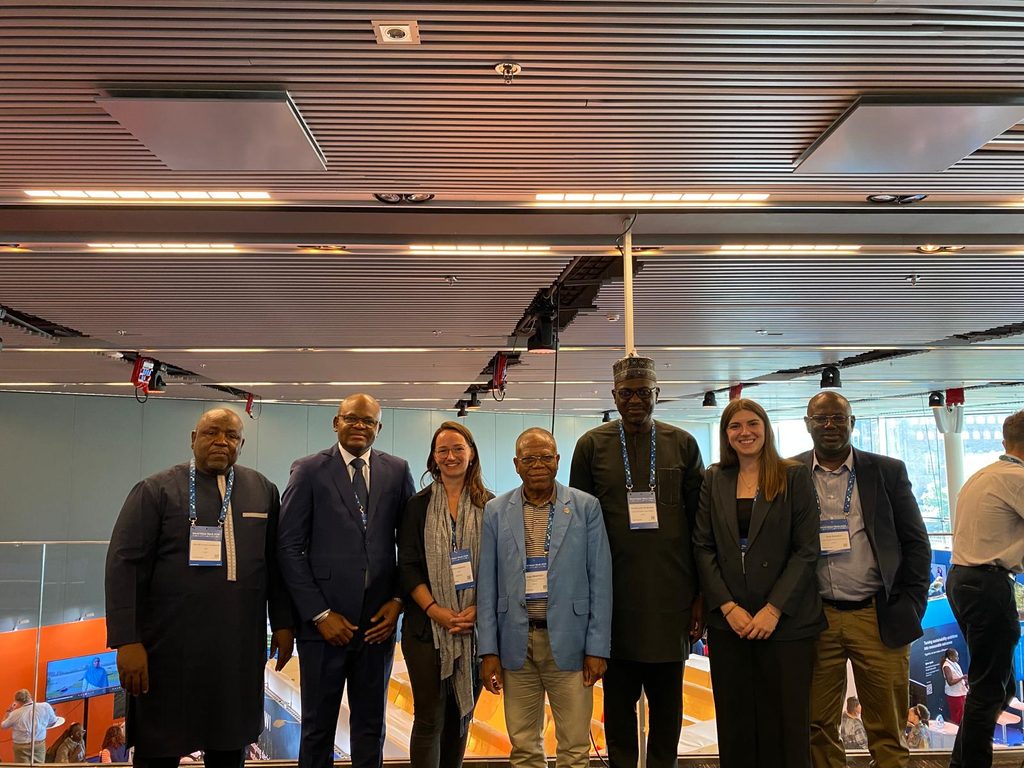
Representing the Commission, Technical Director Mr Hycinth Sunjo Tah Banseka took part as a panellist in three high-level sessions, while colleagues from LCBC and GIZ engaged across a packed programme of side events, panels, and bilateral meetings.
“When people see something and hear something, their decision-making becomes easier. Otherwise, we will be fighting with them all the time.”
A Seat Among the World’s River Basins
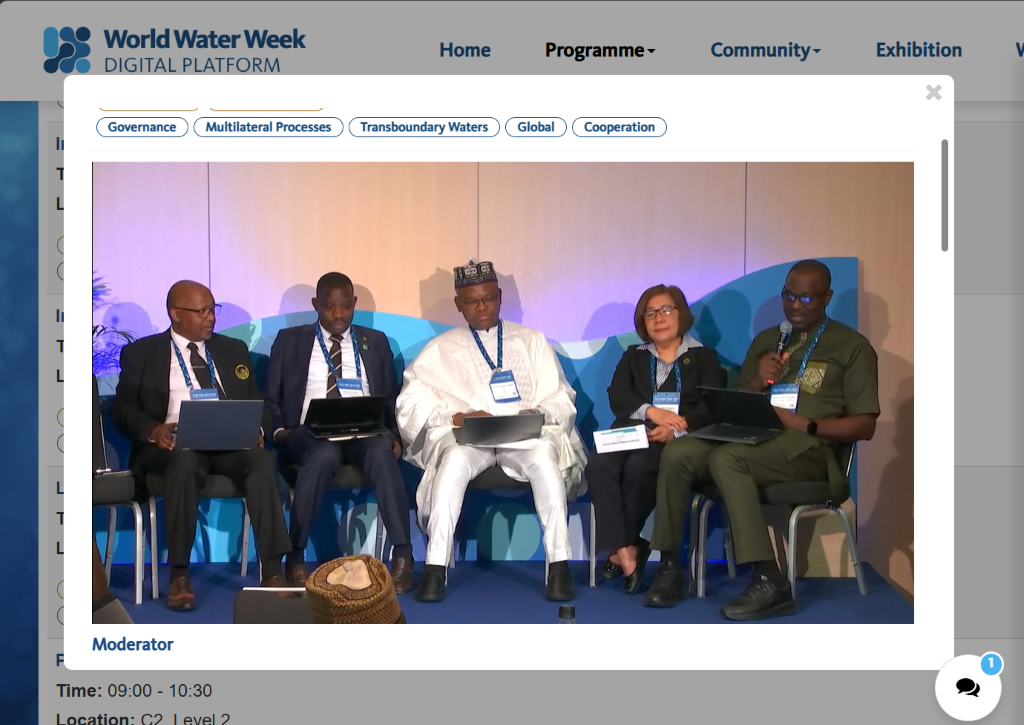
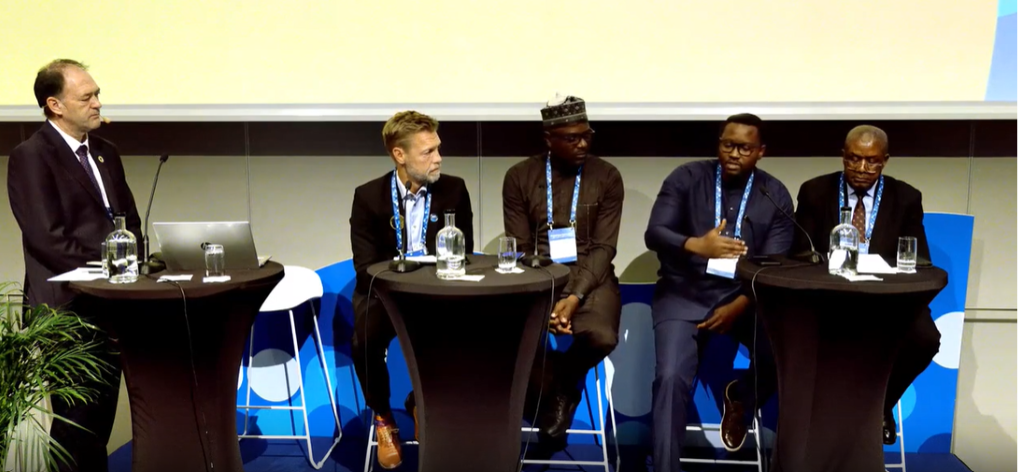
The Technical Director joined fellow leaders of river and lake basin organizations including the Mekong River Commission, the Nile Basin Initiative, the Niger Basin Authority, and the Okavango River Basin Water Commission — at the “Leaders’ Table: Resilient RBOs for People and Progress,” a candid exchange on the pressures facing basin organizations worldwide: climate variability, financing gaps, and the need for institutional reform.
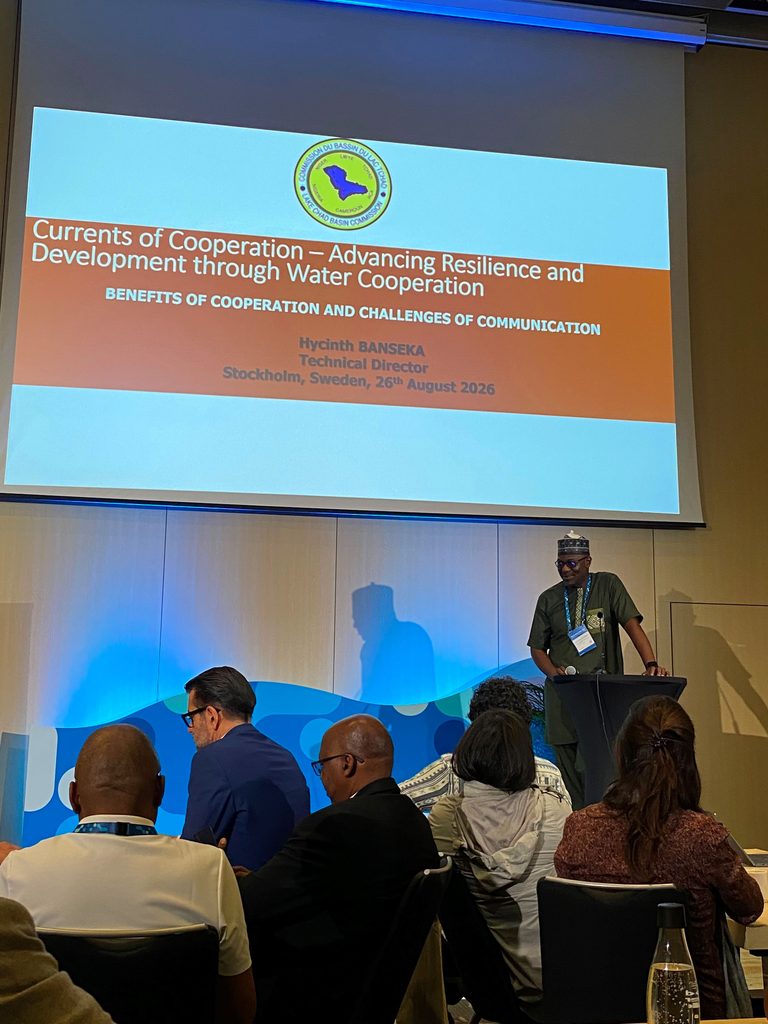
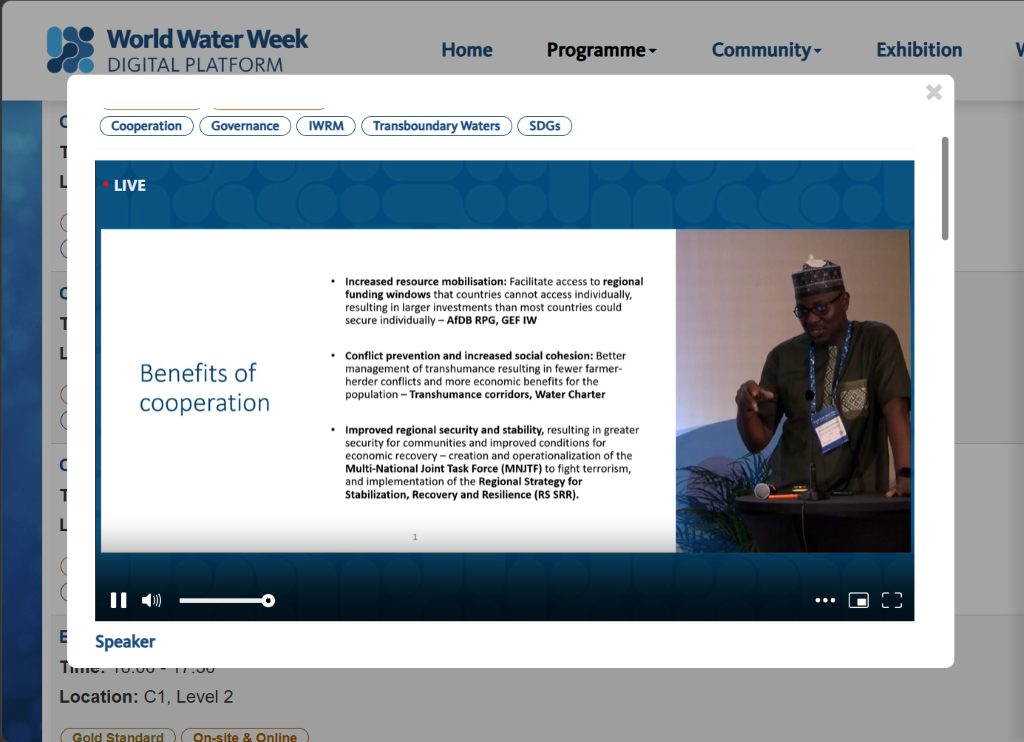
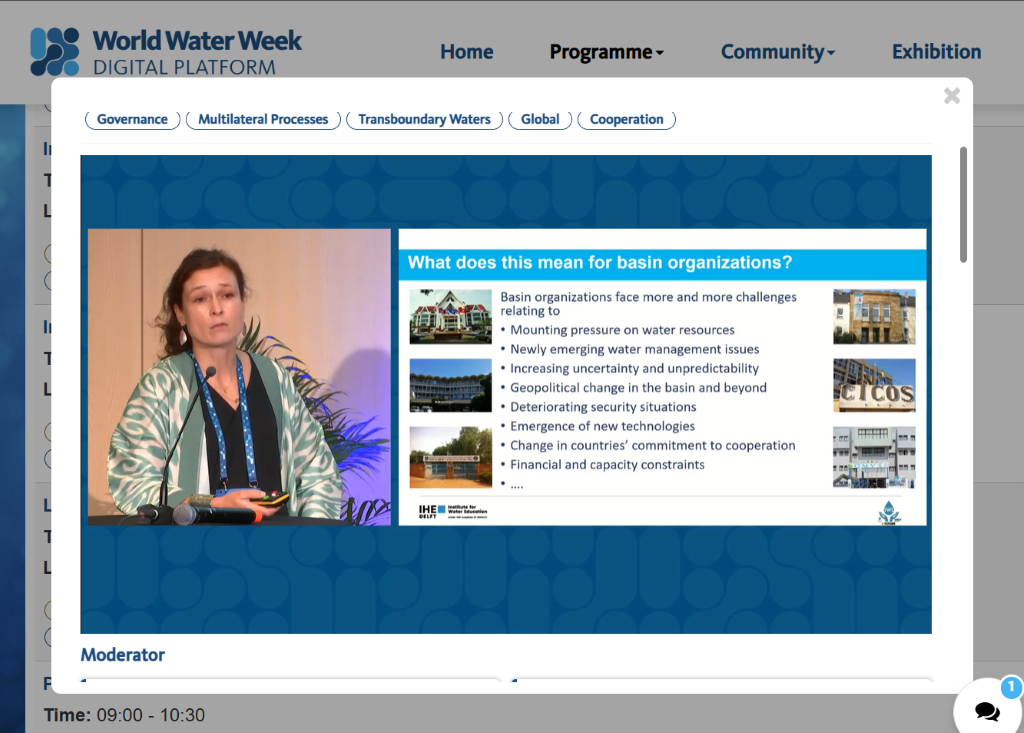
LCBC also featured in “Cooperation Currents — Advancing Resilience and Development through Water Cooperation,” a session convened by GIZ, the World Bank, IUCN, IHE Delft, and other partners around challenge basin organizations know well: communicating the benefits of transboundary water cooperation to audiences beyond the water sector. The Technical Director, Mr Hycinth Banseka, took his place among the session’s speakers alongside counterparts from the Nile Basin Initiative and the Okavango River Basin Water Commission, and delivered LCBC’s basin pitch on the benefits of water cooperation a contribution that fed into the session’s wider roundtable discussions on peace, environmental, regional, and economic dividends of cooperation.
Digital Tools for a Changing Basin
A highlight of the week was the session on “Digital Innovations for Water-Secure Africa,” where the Technical Director joined the World Bank, the African Union Commission, GIZ, and fellow African basin organizations to explore how Earth Observation satellites and artificial intelligence are transforming water management across the continent. From Kenya’s WAD Tool to IWMI’s DIWASA initiative, the delegation saw first-hand how data-driven platforms are helping basins plan smarter lessons LCBC can draw on as it strengthens its own monitoring and planning capacity for Lake Chad.
Facing the Water Bankruptcy Era
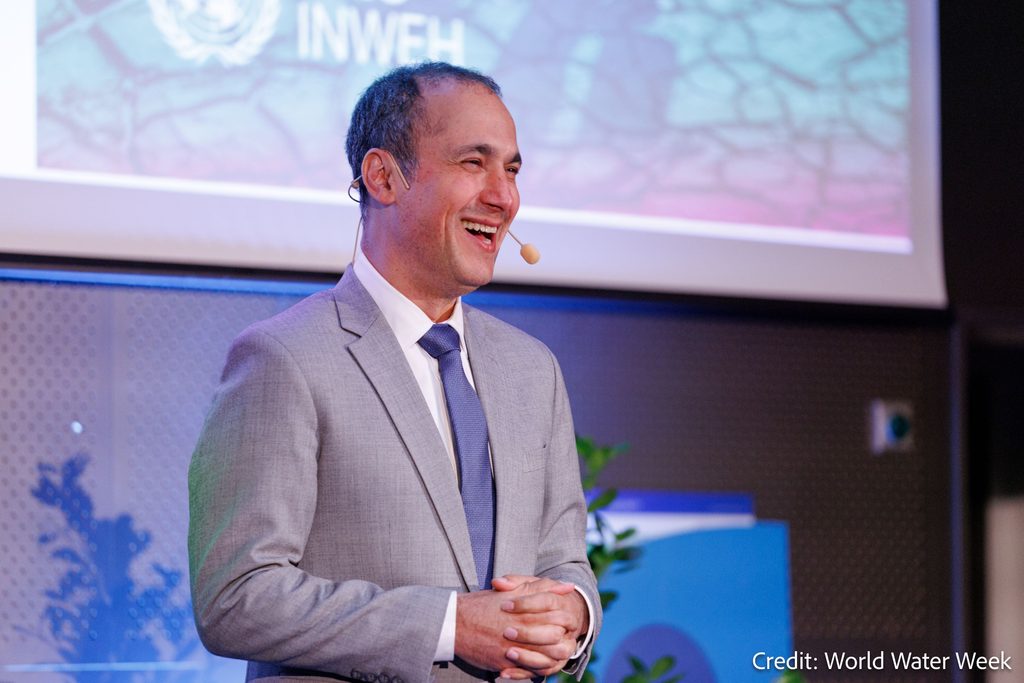
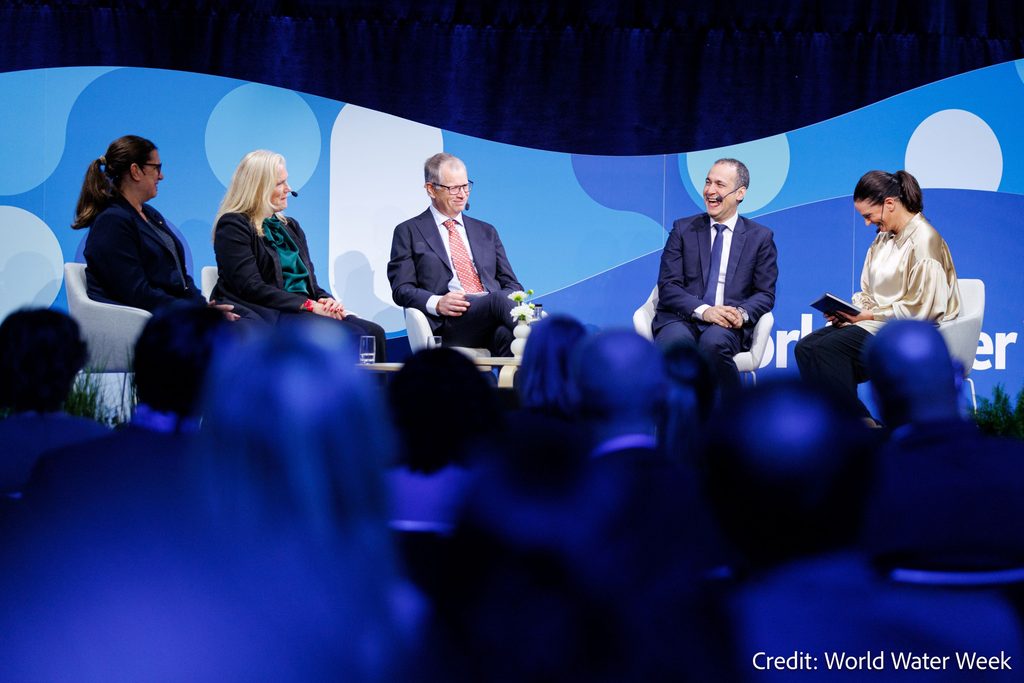
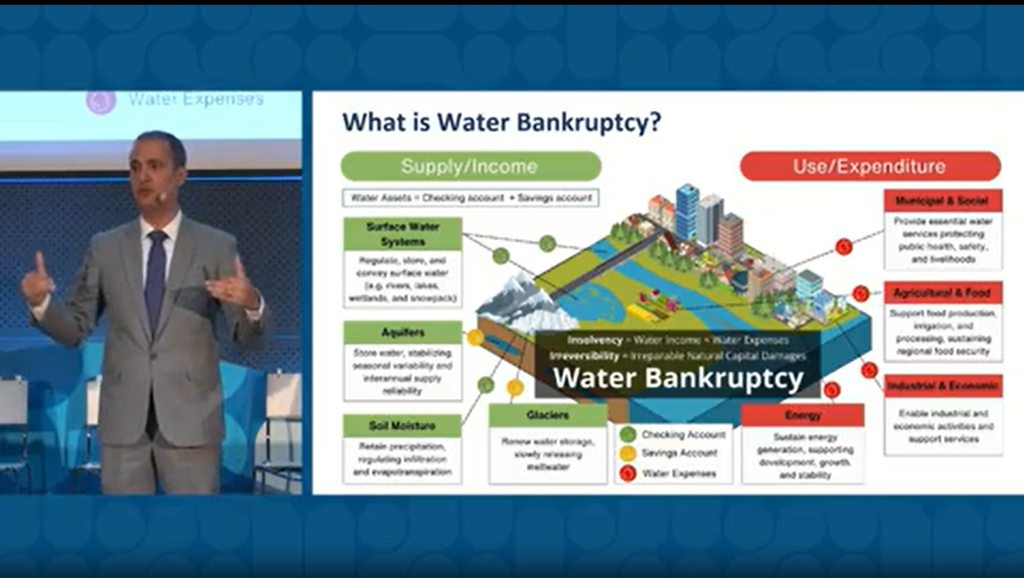
The delegation also attended the launch of a major new report, “Global Water Bankruptcy: Living Beyond Our Hydrological Means,” presented by 2026 Stockholm Water Prize Laureate Professor Kaveh Madani. Its stark message that many regions are now using water faster than nature can replenish it struck a particular chord for a delegation from a basin whose lake has shrunk dramatically in living memory. The session reinforced the urgency of transparent water accounting and equitable governance, principles long central to LCBC’s own work.
Charting a Path to the Netherlands
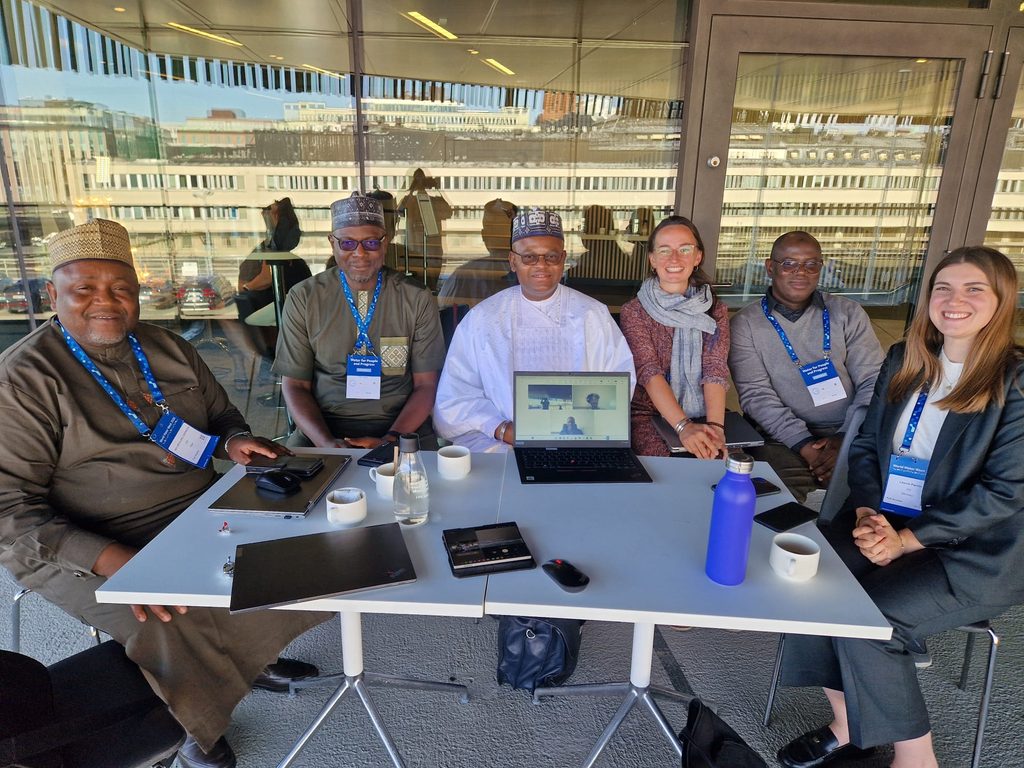
On the sidelines of the conference, the LCBC and GIZ-LCBC team sat down with Professor Susanne Schmeier of the IHE Delft Institute for Water Education to discuss a proposed study tour that would bring LCBC and member-state technical experts to the Netherlands. The idea: pair classroom learning with visits to Dutch flood-management infrastructure and nature-based solutions like the “Room for the River” programme, so that the experts who will ultimately evaluate and defend LCBC’s flood-management investments can see comparable solutions with their own eyes. Both sides are now working toward a tour in March 2026.
The conversation also opened the door to a knowledge-sharing partnership between LCBC’s growing knowledge management platform LIS already linked to over 15 universities across the Basin and IHE Delft’s research community, and surfaced a reminder that LCBC’s own institutional history, including the origins of its multinational security cooperation, deserves to be documented before it is lost to time.
A Basin With a Global Voice
Beyond the headline sessions, the delegation held further bilateral discussions, including with the Niger Basin Authority (NBA), reaffirming the strong ties between Africa’s transboundary basin organizations as they prepare for the next major milestone on the global water calendar: the 2026 UN Water Conference in Abu Dhabi.
For a Commission whose basin has too often been defined by crisis, Stockholm World Water Week 2026 was an opportunity to speak instead about solutions, about cooperation, resilience, and the hard-won lessons of managing a shared and transboundary water resources. As the delegation packed up for the journey home, one message travelled with them: the world is watching Lake Chad, and increasingly, it is listening too.
For more on the GIZ-LCBC Project, contact the Project Communications Desk.