LCBC and Germany’s BMZ Sign Joint Declaration of Intent on Strategic Cooperation in the Lake Chad Basin
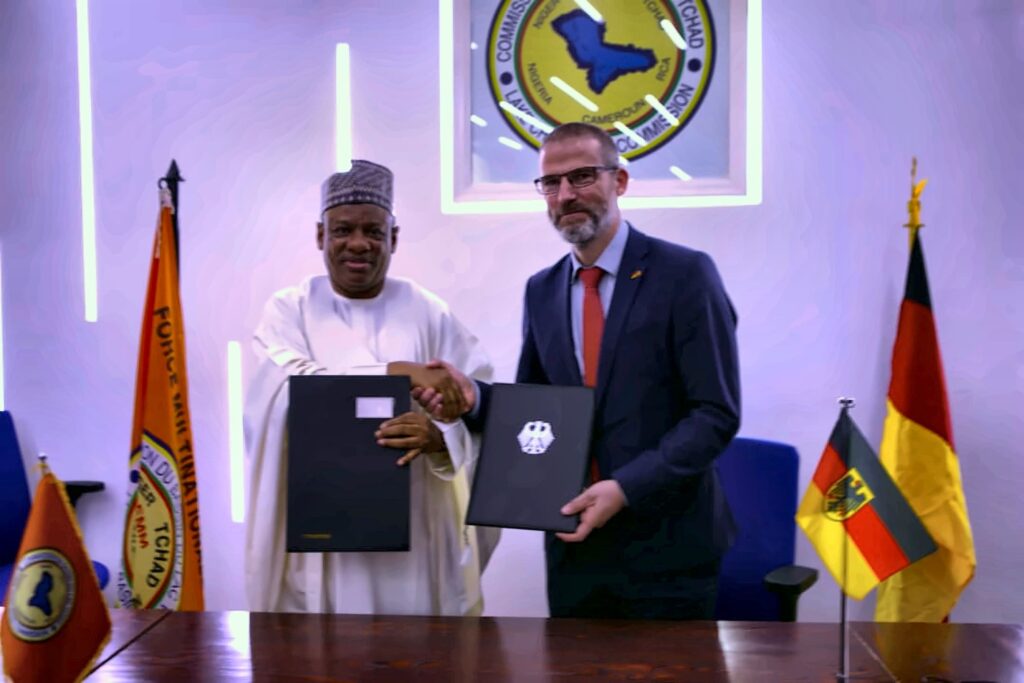
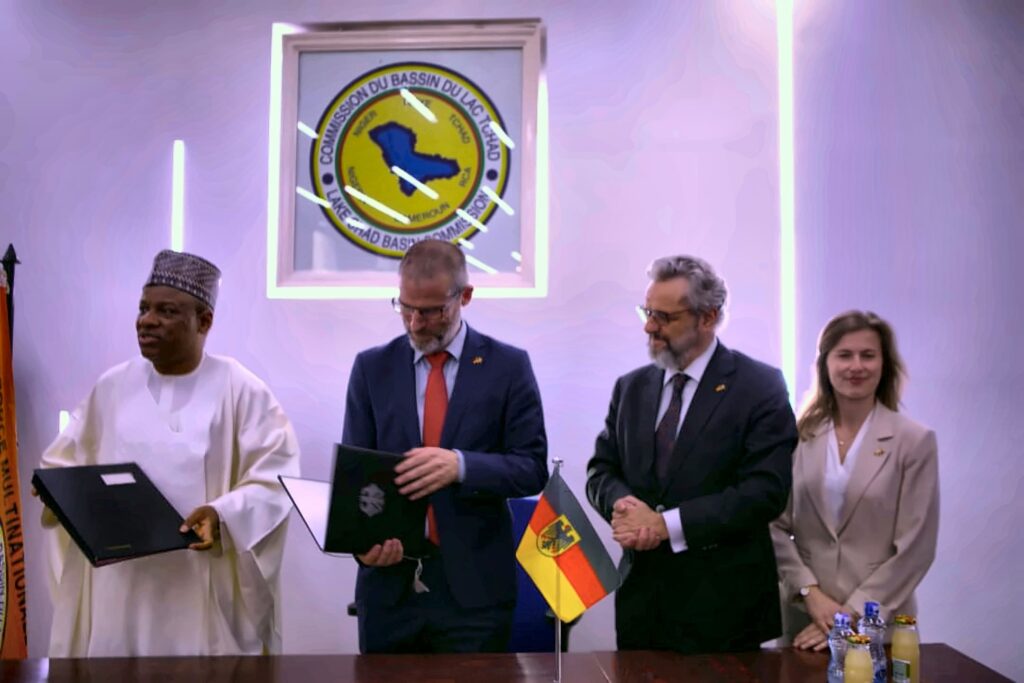
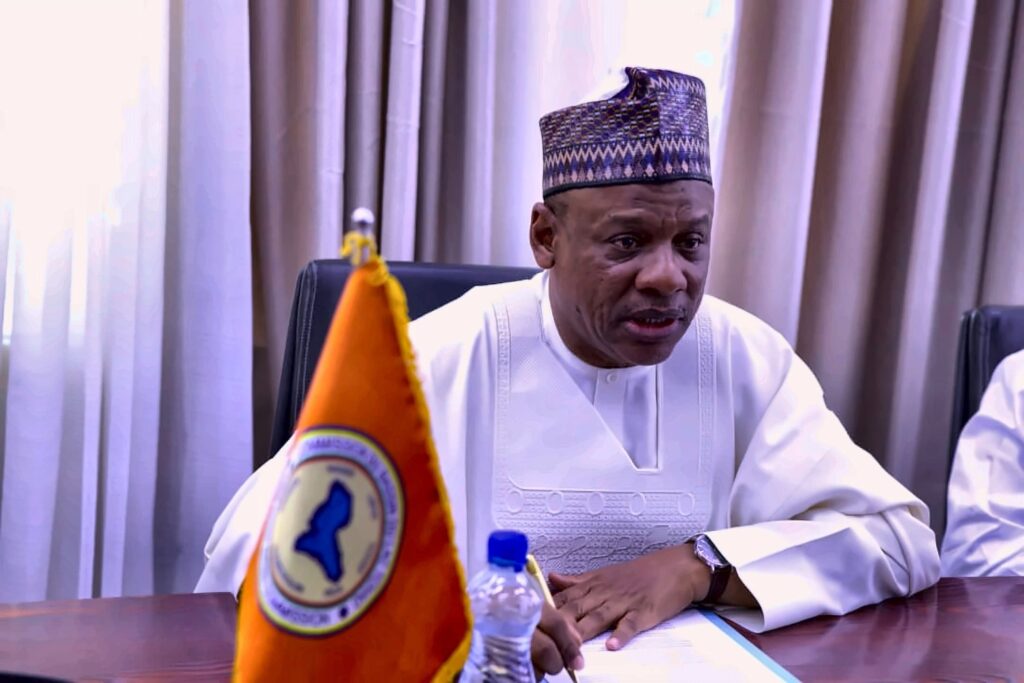
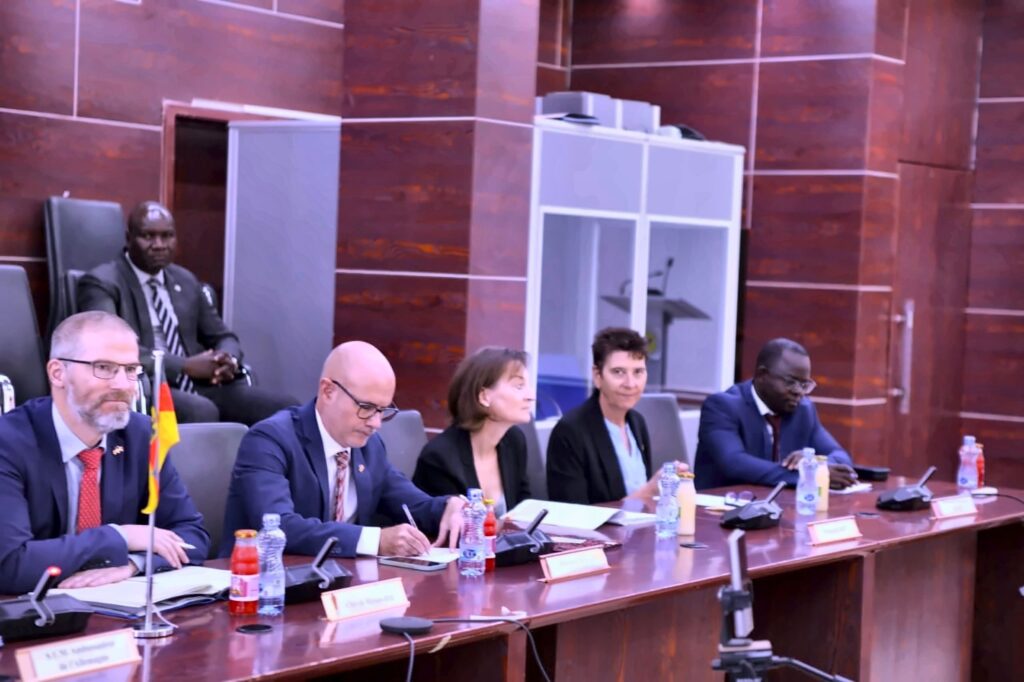
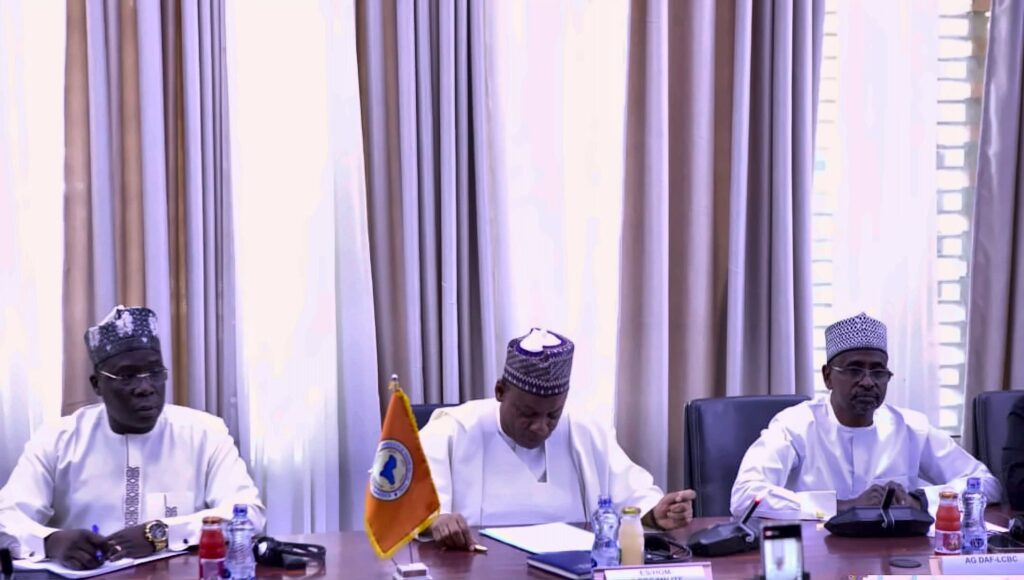
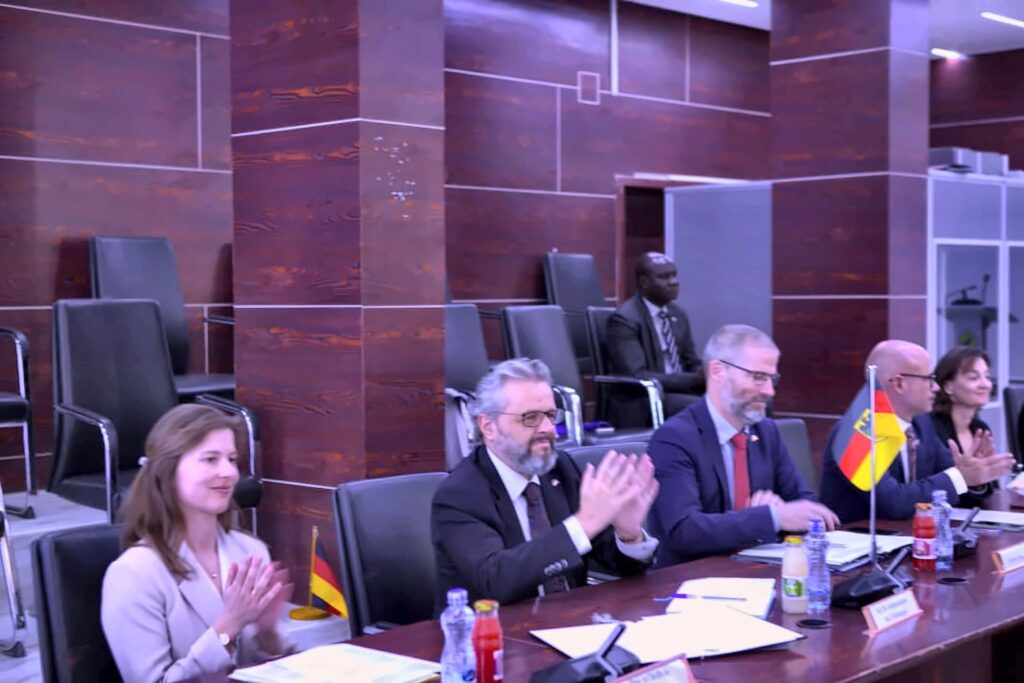
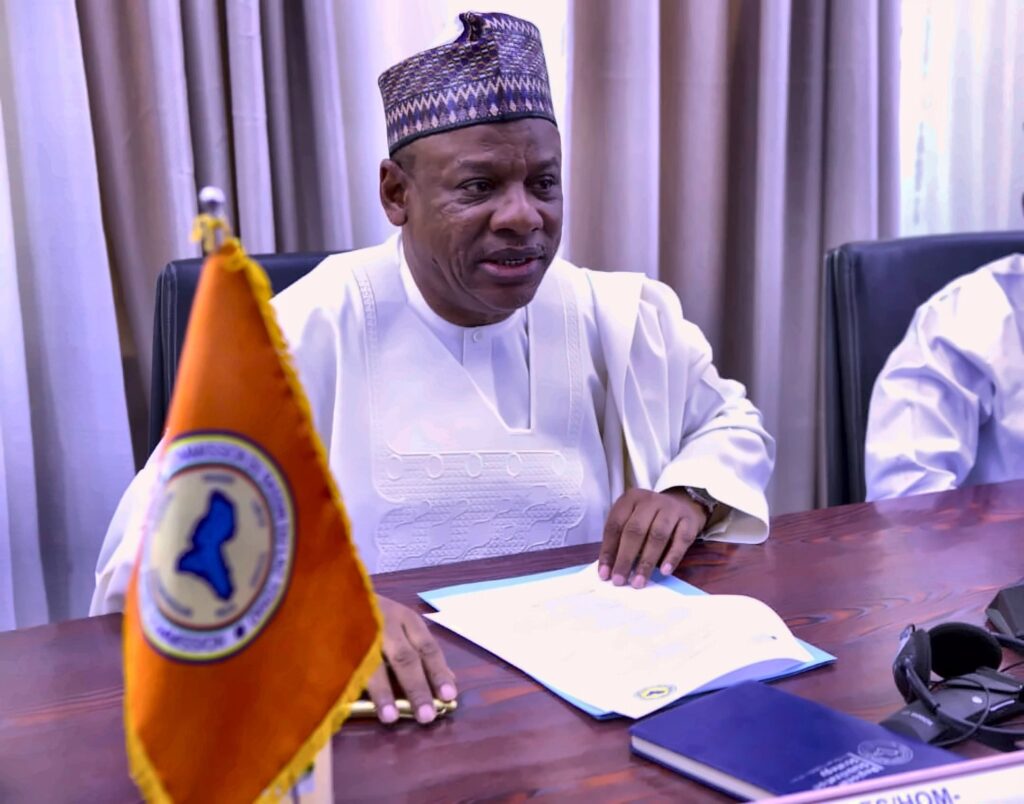
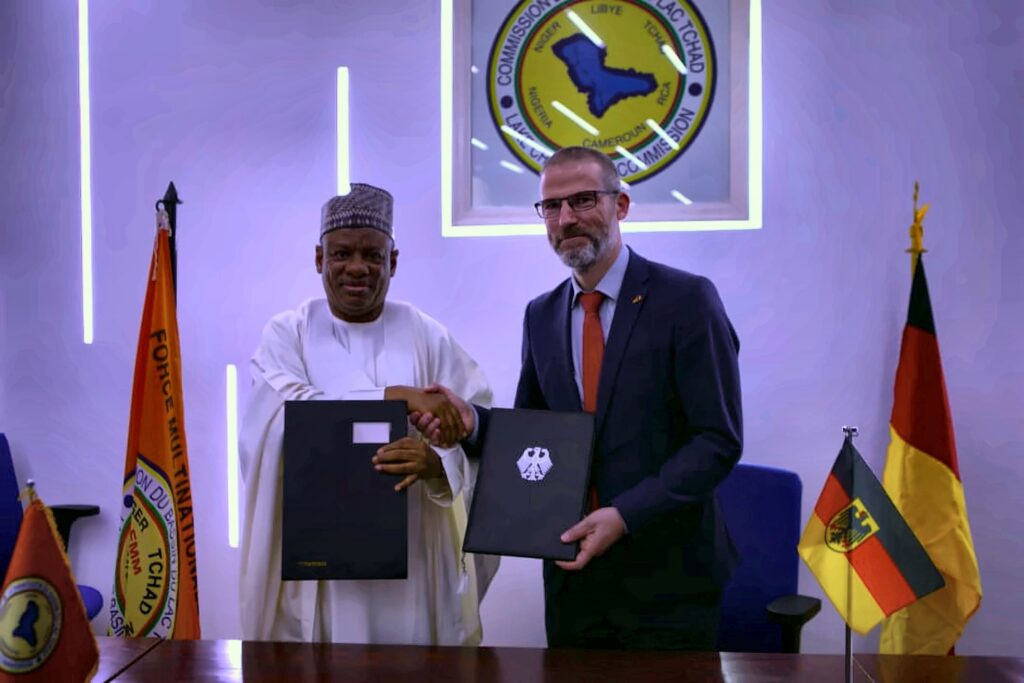
N’Djamena, 20 November 2026 The Lake Chad Basin Commission (LCBC) and the Federal Ministry for Economic Cooperation and Development of the Federal Republic of Germany (BMZ) today signed a Joint Declaration of Intent on Strategic Cooperation in the Lake Chad Basin. The ceremony took place at the LCBC Executive Secretariat in N’Djamena, Chad.
The Declaration was signed by H.E. Ambassador Ibrahim Babani, Executive Secretary of the LCBC, and Dr Bernhard Braune, Head of Division 211 – Sahel at BMZ. It renews the political commitment between Germany and the Commission to work together for sustainable development, climate resilience, peace and regional cooperation across the Basin.
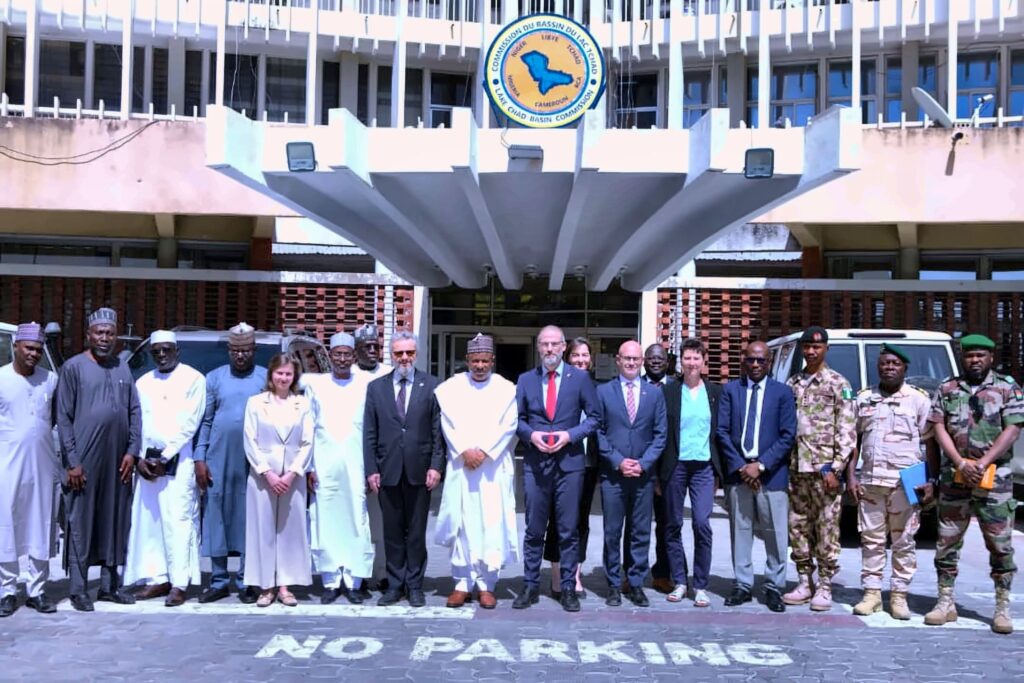
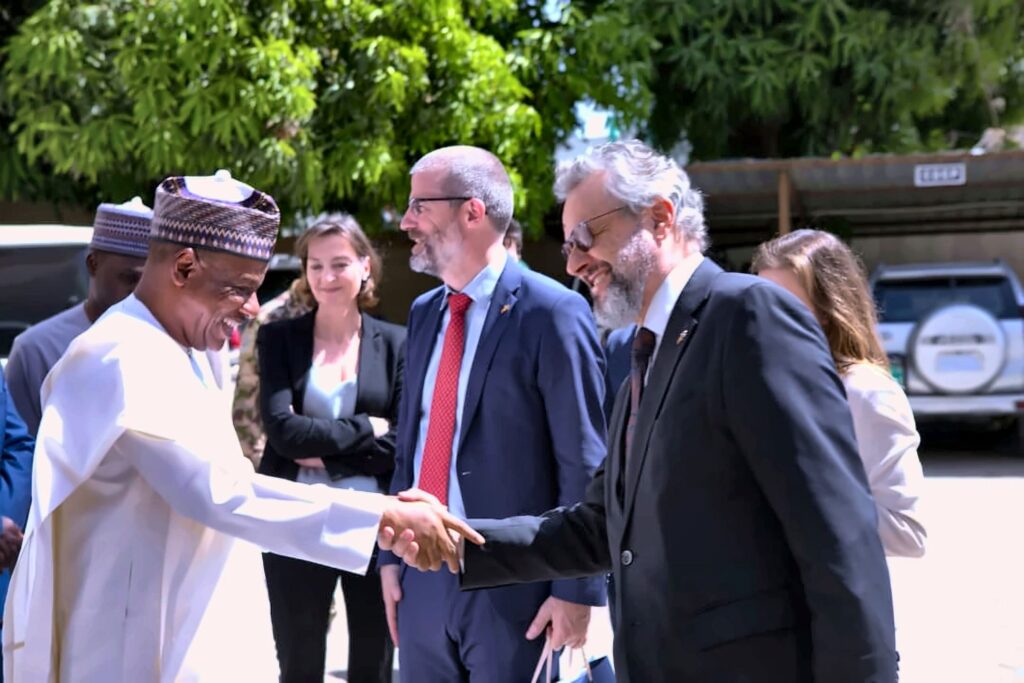
The ceremony was attended by the German Ambassador to Chad, the Head of the German Delegation, the Head of Cooperation at the German Embassy in Chad, representatives of KfW and GIZ, and LCBC management and staff.
Two decades of partnership
Germany has supported the LCBC since 2005. Over that period, BMZ has worked with the Commission through the Deutsche Gesellschaft für Internationale Zusammenarbeit (GIZ) and the Federal Institute for Geosciences and Natural Resources (BGR).
This support has strengthened the Commission’s institutional capacity, regional knowledge, water-resources management, climate adaptation and stabilisation work across the Basin. The new Declaration builds on that record and sets a framework for the next phase of cooperation.
What the Declaration covers
The Declaration reaffirms the LCBC’s central role as a regional platform for dialogue and coordination among its Member States. Building on existing regional strategies and instruments, the two sides intend to cooperate in six areas:
- Strengthening the regional role of the LCBC: supporting the Commission’s mandate and capacity to coordinate Member States on shared and cross-border challenges, with approaches that reflect local needs.
- Sustainable water resources management, climate adaptation and resilience: identifying shared priorities and promoting the sustainable use of shared natural resources and resilient livelihoods.
- Regional data sharing, analysis and knowledge: promoting systematic data sharing to inform planning and evidence-based decisions, and strengthening the LCBC’s analytical and knowledge-management capacity.
- Cross-border dialogue and prevention of resource-related conflicts: working at the intersection of water, climate, mobility and natural resources to help prevent and peacefully manage conflicts over shared resources.
- Partnership and coordination: pursuing these objectives through strategic dialogue, building on existing cooperation mechanisms.
- Strategic alignment with development partners: bringing cooperation involving the LCBC, Germany and other partners into closer alignment with the LCBC’s regional priorities.
BMZ and the LCBC will use their strategic dialogue to review shared priorities and explore follow-up activities within their respective mandates and available resources.