+235 22 52 40 29

+235 22 52 41 45

info@clbt.org

Peace and Security in theLake Chad Basin

Peace and Security in the
Lake Chad Basin

>

Advancing Stability Through Regional Cooperation & Inclusive Governance

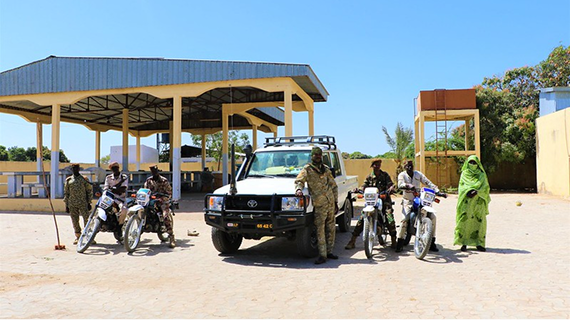
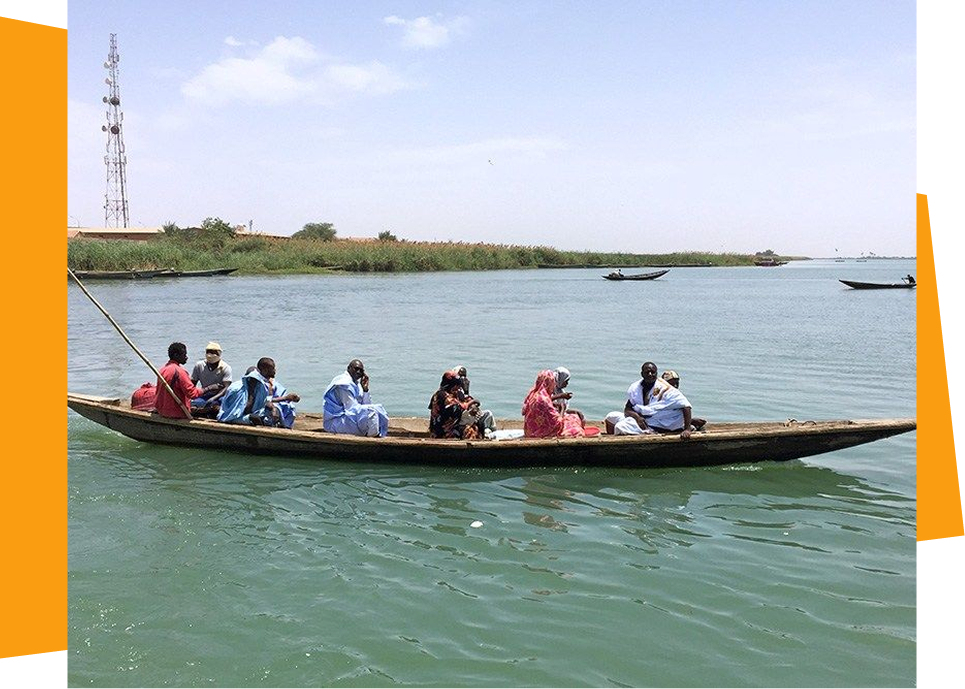
The Lake Chad Basin, shared by Cameroon, Chad, Niger, Nigeria, Central African Republic, and Libya, has long been a region of strategic importance and cultural richness. However, it has also faced persistent challenges to peace and security, including armed conflict, violent extremism, resource-based tensions, and climate-induced displacement. The Lake Chad Basin Commission (LCBC) plays a pivotal role in fostering peace and stability through coordinated regional action, inclusive governance, and sustainable development.

Looking Ahead

LCBC envisions a Lake Chad Basin where peace and security are sustained through inclusive development, environmental stewardship, and regional solidarity. By integrating peacebuilding into its core mandate, LCBC is transforming the Basin into a model of resilience and cooperation.
Through strategic partnerships, community engagement, and visionary leadership, LCBC continues to advance a future where the Lake Chad Basin is not only secure—but thriving.

The Nexus of Peace, Security & Development

LCBC’s approach to peace and security is grounded in the understanding that environmental degradation, poverty, and weak governance are drivers of conflict. Its strategies integrate:

· Conflict-sensitive natural resource management.
· Community resilience building.
· Transboundary cooperation and dialogue.
· Inclusive participation of youth, women, and vulnerable groups.

These efforts align with the Regional Strategy for Stabilization, Recovery, and Resilience (RSS) and the Strategic Action Programme (SAP 2023–2037), which embed peacebuilding within environmental and socio-economic interventions.
Regional Stabilization
Strategy (RSS)

A landmark framework endorsed by Member States and partners.

Youth and Women
Empowerment Projects

Reducing vulnerability to recruitment by armed groups.

Peace building through
Environmental Restoration

Initiatives linking ecosystem rehabilitation with conflict prevention.

Hydro-Diplomacy Training

Building capacity for peaceful
water governance.

Achievements and
Innovations

Key Pillars of IWRM in the Basin

Strengthening Regional
Governance & Hydro-Diplomacy

  • Promoting peaceful resolution of transboundary resource disputes.
  • Operationalizing the Water Charter to prevent conflict over water use.
  • Enhancing coordination among Member States through the Governors’ Forum and technical committees.

Addressing Root Causes
of Conflict

  • Supporting livelihoods and economic opportunities for youth and women.
  • Promoting equitable access to land, water, and other resources.
  • Integrating climate adaptation into peacebuilding strategies.

Enhancing Community-Based Security Mechanisms

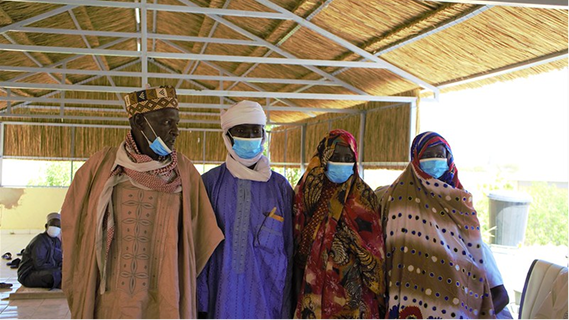
  • Establishing early warning systems and local peace committees.
  • Strengthening traditional conflict resolution practices.
  • Supporting civil society and local governance structures.

Promoting Regional Stabilization & Recovery

  • Implementing the RSS in Boko Haram-affected areas.
  • Coordinating humanitarian assistance and reintegration programs.
  • Facilitating cross-border cooperation on security and migration.
Scroll to Top