
Regional Lake Chad Water Management Project (LACHAWAMA)
Regional Lake Chad Water Management Project (LACHAWAMA)
The Lake Chad Basin Commission (LCBC), in partnership with Deutsche Gesellschaft für Internationale Zusammenarbeit (GIZ) GmbH, the French Development Agency (AFD) and with financial support from the European Union (EU) and the German Federal Ministry for Economic Cooperation and Development (BMZ), is implementing the Regional Lake Chad Water Management Project (LACHAWAMA).
Implemented within the framework of the Team Europe Initiative on Transboundary Water Management, the project reflects a shared commitment to strengthening cooperation, enhancing resilience, and promoting sustainable development across the Lake Chad Basin.
A Basin Under Pressure
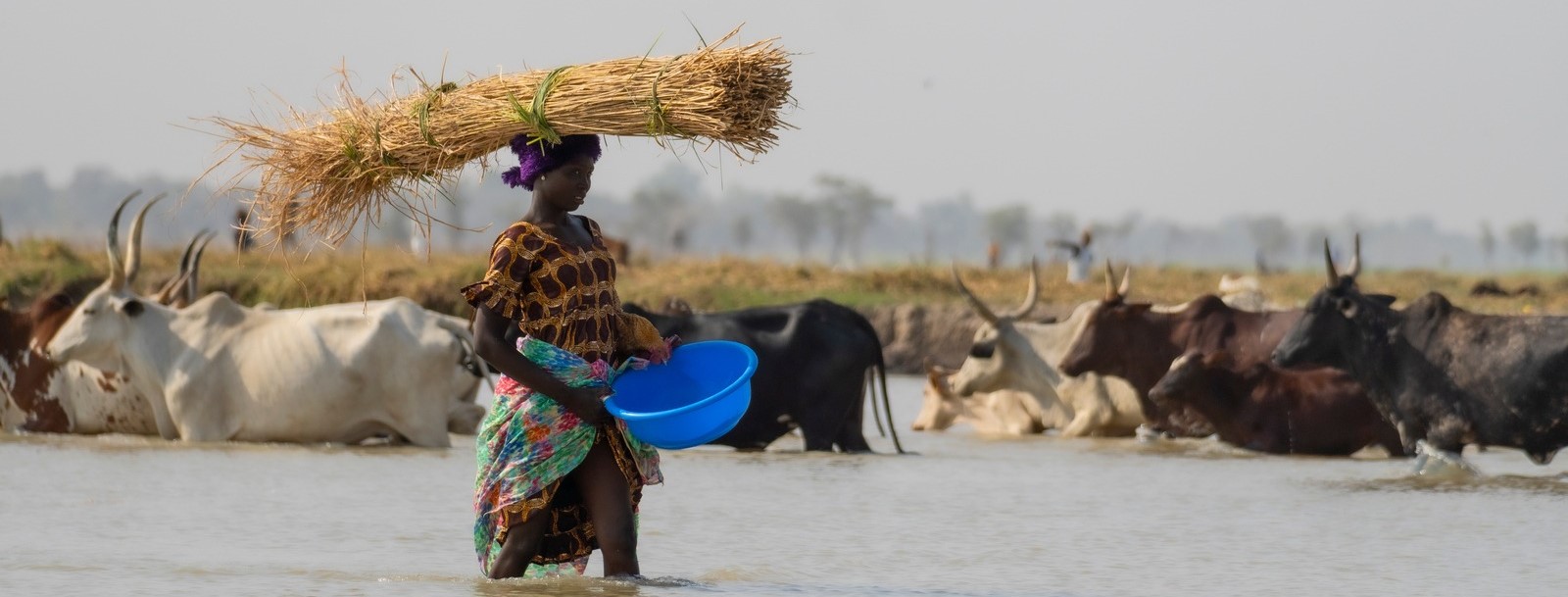
The Lake Chad Basin covers approximately 2.4 million km² and is home to more than 50 million people, a population expected to double within the next 25 years. The basin spans six countries Chad, Nigeria, Niger, Cameroon, the Central African Republic, and Libya and supports livelihoods largely dependent on water resources, including agriculture, livestock, and fisheries.
However, the region faces multiple and interconnected challenges:
- Climate variability and environmental degradation
- Shrinking water resources and changing rainfall patterns
- Recurrent floods and droughts
- Rapid population growth and increasing competition over natural resources
- Insecurity and population displacement
These pressures significantly affect ecosystems, economic activities, and social cohesion, making sustainable water management a critical priority for regional stability and development.
LACHAWAMA: A Coordinated Regional Response
The LACHAWAMA project (2026–2028) builds on previous initiatives and aims to strengthen transboundary water management through an integrated and multi-level approach. With a budget of €11.25 million, the project supports institutional capacity development while promoting Integrated Water Resources Management (IWRM) across the basin.
The overall objective of the project is to strengthen the capacities of regional, national, and local institutions to implement water management approaches that are:
- Climate-resilient
- Gender-responsive
- Conflict-sensitive
By addressing both governance and operational challenges, LACHAWAMA contributes to the implementation of the LCBC Strategic Action Plan (2023–2027) and supports long-term efforts to restore ecosystems and improve livelihoods in the basin.
An Integrated Multi-Level Approach
A defining feature of the LACHAWAMA project is its three-level implementation strategy, designed to ensure coordinated and effective action across governance levels.
- Central Level: Strengthening Regional Governance
At the level of the LCBC Executive Secretariat, the project supports the development and operationalization of key governance and decision-making tools, including:
- Inclusive platforms such as the Partners’ Forum
- Strengthened technical bodies, including the Committee on Environment, Science and Planning (CESP)
- The development of the Lake Chad Information System (LIS) to improve data collection, sharing, and use
These actions enhance coordination among stakeholders and support evidence-based decision-making for sustainable water management.
- Regional Level: Promoting Transboundary Dialogue
At the level of transboundary sub-basins such as the Komadougou-Yobe, Chari-Logone, and Lake Chad systems the project establishes multi-stakeholder partner platforms.
These platforms:
- Facilitate dialogue among countries and sectors
- Enable joint identification of water, climate, and conflict-related challenges
- Support the co-development of coordinated and locally adapted solutions
This approach strengthens transboundary cooperation, trust, and inclusive governance across the basin.
- Local Level: Building Resilience and Preventing Conflict
At the community level, LACHAWAMA promotes practical and integrated solutions aimed at:
- Strengthening climate resilience
- Improving sustainable natural resource management
- Preventing and mitigating conflicts related to access and use of water and land
Interventions include capacity building, pilot initiatives, dissemination of best practices, and scaling up successful approaches tailored to local contexts.
Key Areas of Intervention
Across these levels, the project focuses on several priority areas:
- Institutional strengthening and governance improvement
- Enhancement of water information systems and hydrological monitoring
- Flood risk prevention and improved preparedness
- Promotion of nature-based solutions and ecosystem restoration
These interventions contribute to improved planning, increased resilience to climate risks, and better protection of vulnerable populations.
Strong Partnerships for Greater Impact
LACHAWAMA is implemented through a collaborative framework involving:
- The Lake Chad Basin Commission (LCBC)
- The European Union (EU) under the Team Europe Initiative
- GIZ as the implementing agency
- Development partners such as the French Development Agency (AFD)
- National institutions, local authorities, civil society organizations, and communities
This coordinated approach ensures complementarity with other regional initiatives, particularly in areas such as flood risk management, hydrological monitoring, infrastructure development, and ecosystem protection.
Towards a Resilient and Sustainable Lake Chad Basin
By combining strengthened governance, improved data systems, technical innovation, and community-based solutions, the LACHAWAMA project contributes to a shared vision of a:
- Resilient
- Peaceful
- Environmentally sustainable
Lake Chad Basin.
Through enhanced cooperation among member states and partners, the project aims not only to improve water resource management but also to address the underlying drivers of fragility and support long-term regional stability and prosperity.