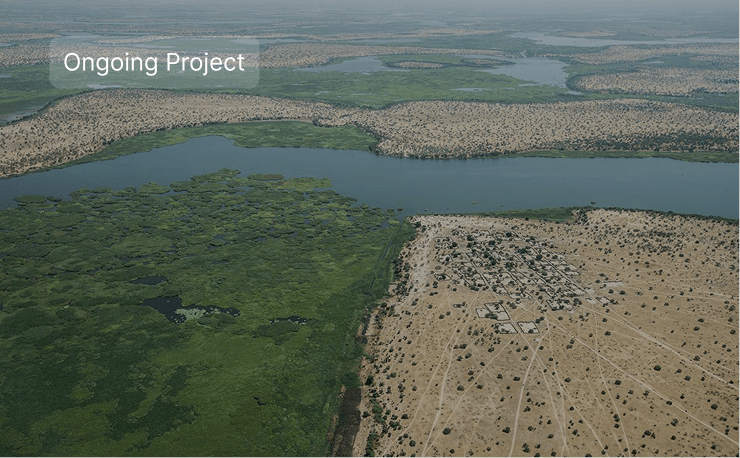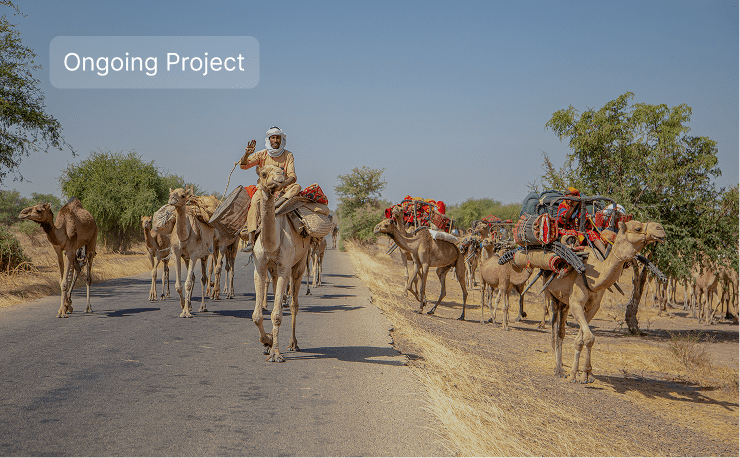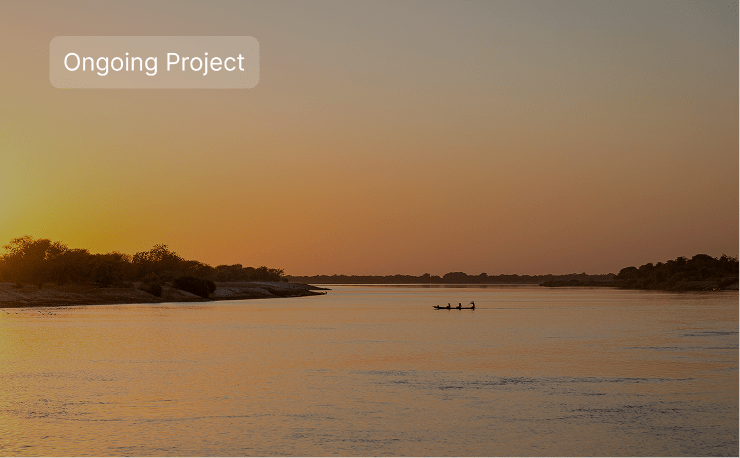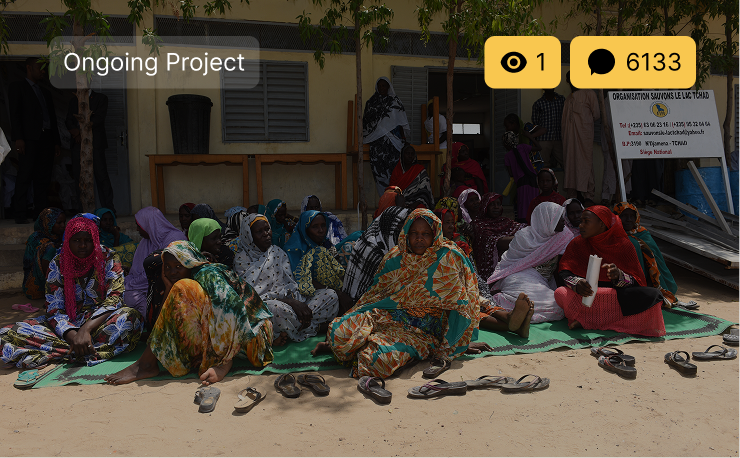
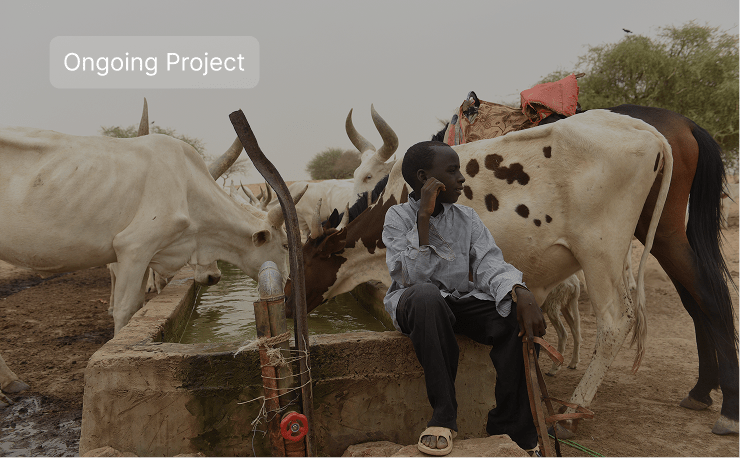
• Lake Chad Region Recovery and Development Project – PROLAC – LCBC Project

    Lake Chad Region Recovery and Development Project - PROLAC - LCBC Project Overview The Lake Chad Region Recovery and Development Project (PROLAC) is a regional initiative funded by the World Bank through the International Development Association (IDA), aimed at supporting the recovery and resilience of communities in the Lake Chad Basin. The project is implemented by the Lake Chad Basin Commission (LCBC) alongside national governments of Cameroon, Chad, and Niger. Objective To contribute to the recovery of the Lake Chad Region by supporting regional coordination and crisis monitoring, improving connectivity, and strengthening agricultural livelihoods in selected provinces of Cameroon, Chad, and Niger.   LCBC-Executed Component Component 1: Regional Lake Chad Knowledge and Monitoring Platform and Secretariat for the Development of the Lake Chad Region Budget: US$5 million (LCBC share) Objective: To reinforce regional dialogue, data monitoring and dissemination, citizen engagement, and social cohesion through the establishment of a regional knowledge and monitoring platform. Key Activities: Establishment of the LCBC PROLAC Project Implementation Unit (PIU): Coordinates regional dialogue and development vision. Facilitates knowledge creation and dissemination. Organizes learning and monitoring workshops. Development of the Knowledge and Monitoring Platform: Web-hosted platform integrating spatial and temporal datasets. Collaboration with academic and research institutions. Capacity building in data collection and geospatial analysis. Annual International Forum on the Development of the Lake Chad Region: High-level event bringing together stakeholders from member states, development partners, and local authorities. Platform for reporting, harmonizing strategies, and planning new initiatives. Support to the Regional Coordination Committee (RCC): Provides oversight and strategic guidance. Prepares joint action plans and statements. Expected Results: Operational regional knowledge platform. Increased access to development data. Strengthened regional cooperation and policy harmonization. Enhanced capacity of LCBC as a regional coordination body. Cross-Cutting Themes Gender Inclusion: Ensuring 50% participation of women in project activities and decision-making bodies. Youth Engagement: Targeted support for youth through training and employment opportunities. Climate Resilience: Integration of climate-smart practices and data into planning and implementation. Alignment with Strategic Frameworks Regional Strategy for Stabilization, Recovery and Resilience (RSS) World Bank’s Strategy for Fragility, Conflict, and Violence (2020–2025) Country Partnership Frameworks (CPF) for Cameroon, Chad, and Niger Contact Implementing Agency: Lake Chad Basin Commission (LCBC) Location: N'Djamena, Chad Email: PROLAC-CBLT@cblt.org Coordinator: Alio Abdoulaye
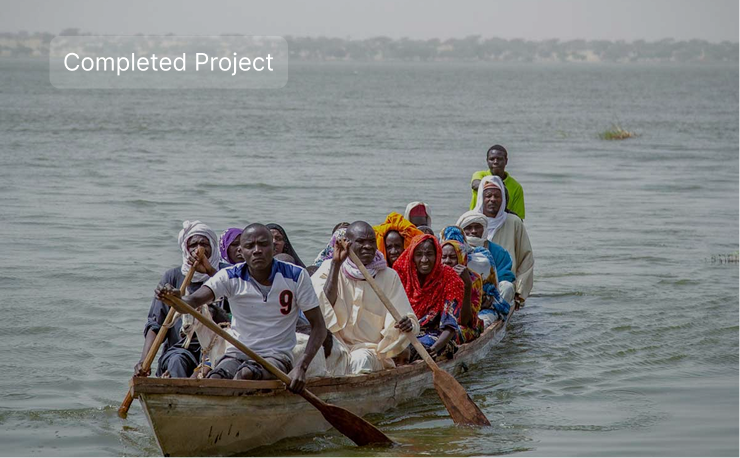
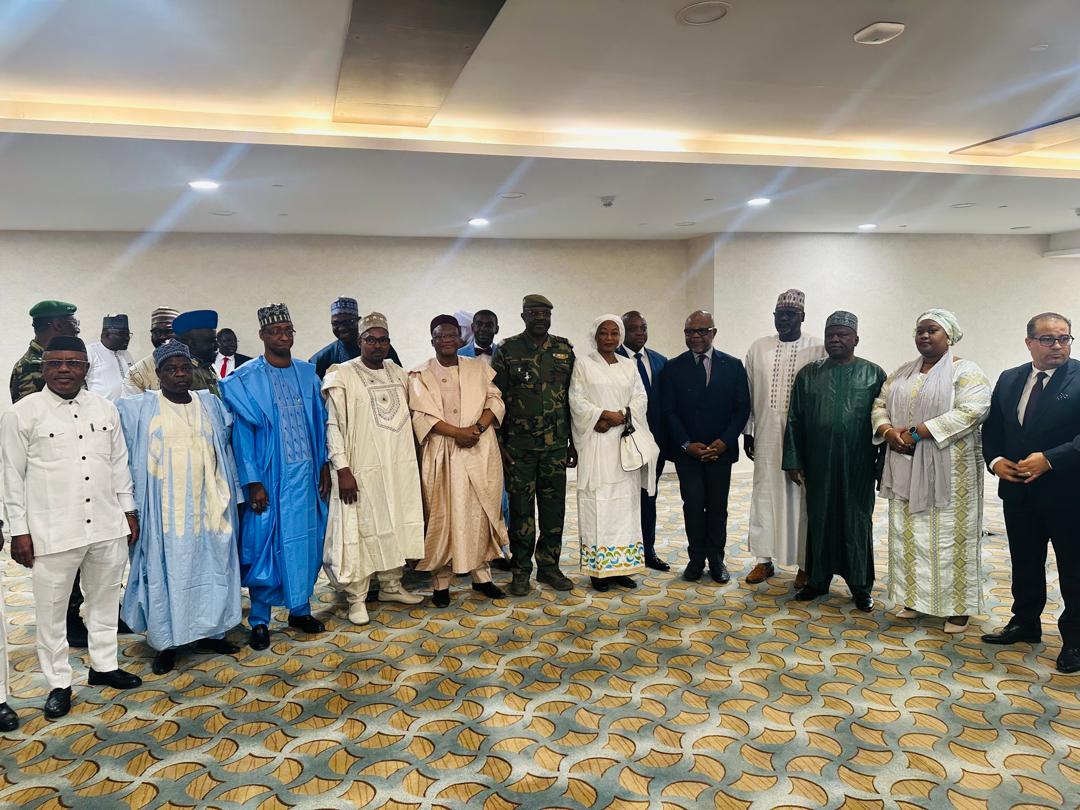
  • Preservation of Lake Chad: Contribution to the Lake Development Strategy (FFEM-AFD)

    Overview This regional project is implemented by the Lake Chad Basin Commission (LCBC) with support from UNDP and funding from the Global Environment Facility (GEF). It aims to build climate resilience and reduce ecosystem stress in the Lake Chad Basin through the implementation of the Strategic Action Programme (SAP), benefiting Cameroon, Central African Republic, Chad, Niger, and Nigeria.     Objective To achieve climate-resilient, integrated ecosystem-based management of the Lake Chad Basin through policy, legal, and institutional reforms, and investments that improve water quality and quantityprotect biodiversity, and sustain livelihoods.

  • The Regional Stabilization Facility for Lake Chad

    Overview The Regional Stabilization Facility (RSF) for Lake Chad is a multi-country, multi-partner initiative developed by the United Nations Development Programme (UNDP) in collaboration with the Lake Chad Basin Commission (LCBC). It supports the implementation of the Regional Strategy for Stabilization, Recovery and Resilience (RSS) in areas affected by Boko Haram across Cameroon, Chad, Niger, and Nigeria. Objective To stabilize Boko Haram-affected areas in the Lake Chad Basin through rapid, flexible, and coordinated interventions that restore security, rebuild infrastructure, and promote livelihoods

  • Implementation of Regional Stabilization Strategy

    Overview The Regional Stabilization Strategy (RSS) is a comprehensive framework adopted by the Lake Chad Basin Commission (LCBC) in August 2018 to address the root causes of instability and violent extremism in the Lake Chad Basin. Endorsed by the African Union Peace and Security Council, the strategy is being implemented across eight targeted territories in Cameroon, Chad, Niger, and Nigeria. Objective To stabilize Boko Haram-affected areas in the Lake Chad Basin through coordinated regional interventions that promote peace, recovery, and resilience. LCBC-Executed Components Component: Coordination and Implementation of the RSS Duration: Ongoing since 2018 Objective: African Union, UNDP, Member States, International Donors Key Activities Technical Coordination of Pillars Coordinate nine strategic pillars of intervention: Political Cooperation Security and Human Rights Disarmament, Demobilisation, Rehabilitation, Reinsertion and Reintegration (DDRRR) Humanitarian Assistance Governance and the Social Contract Socio-Economic Recovery and Environmental Sustainability Education, Learning and Skills Prevention of Violent Extremism and Peace building Empowerment and Inclusion of Women and Youth

  • Sustainable Management of Water Resources in the Lake Chad Basin– Applied

    Overview This project, implemented by GIZ and commissioned by the German Federal Ministry for Economic Cooperation and Development (BMZ), supports the Lake Chad Basin Commission (LCBC) in sustainably managing transboundary water resources. It builds on the achievements of the first phase (2019–2022) and continues through December 2025.   Objective To strengthen LCBC’s capacity to advise member countries on environmentally friendly, climate-adapted, gender-sensitive, and conflict-reducing management of shared water resources in the Lake Chad Basin.

  • Preservation of Lake Chad: Contribution to the Lake Development Strategy (FFEM-AFD)

      Overview This regional project is implemented by the Lake Chad Basin Commission (LCBC) with support from UNDP and funding from the Global Environment Facility (GEF). It aims to build climate resilience and reduce ecosystem stress in the Lake Chad Basin through the implementation of the Strategic Action Programme (SAP), benefiting Cameroon, Central African Republic, Chad, Niger, and Nigeria. Objective To support the preservation and sustainable development of Lake Chad through integrated water resource management, biodiversity protection, and regional cooperation.