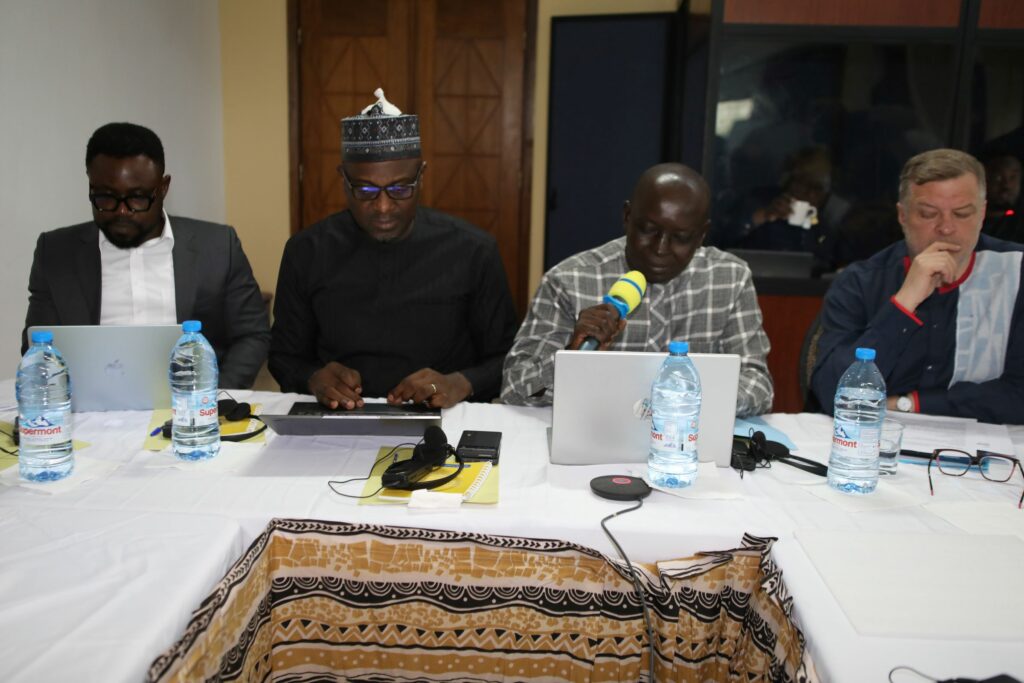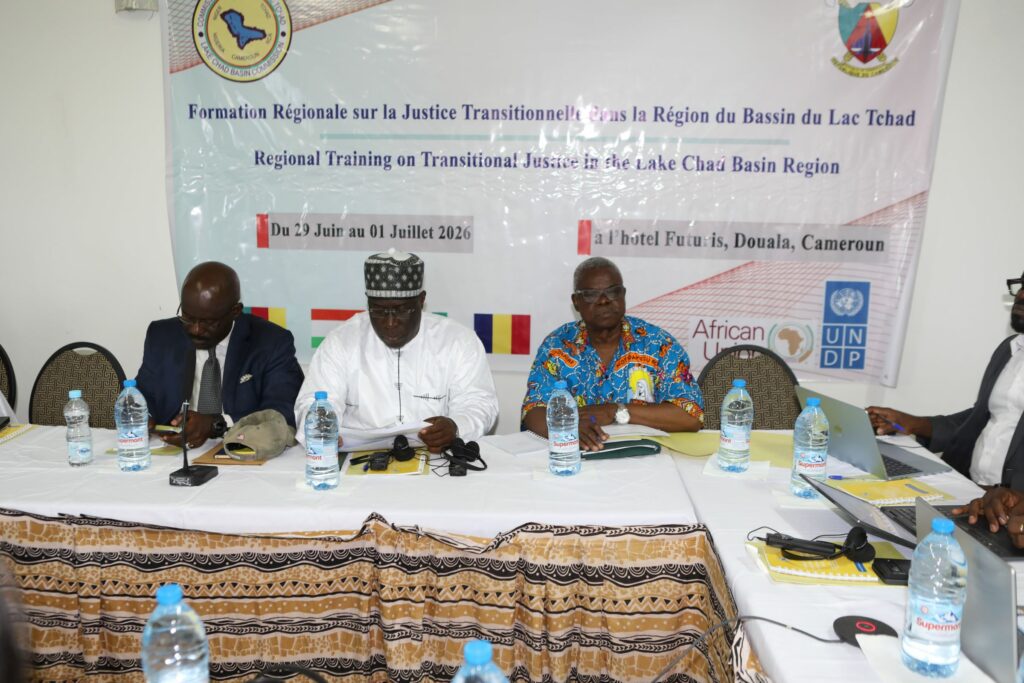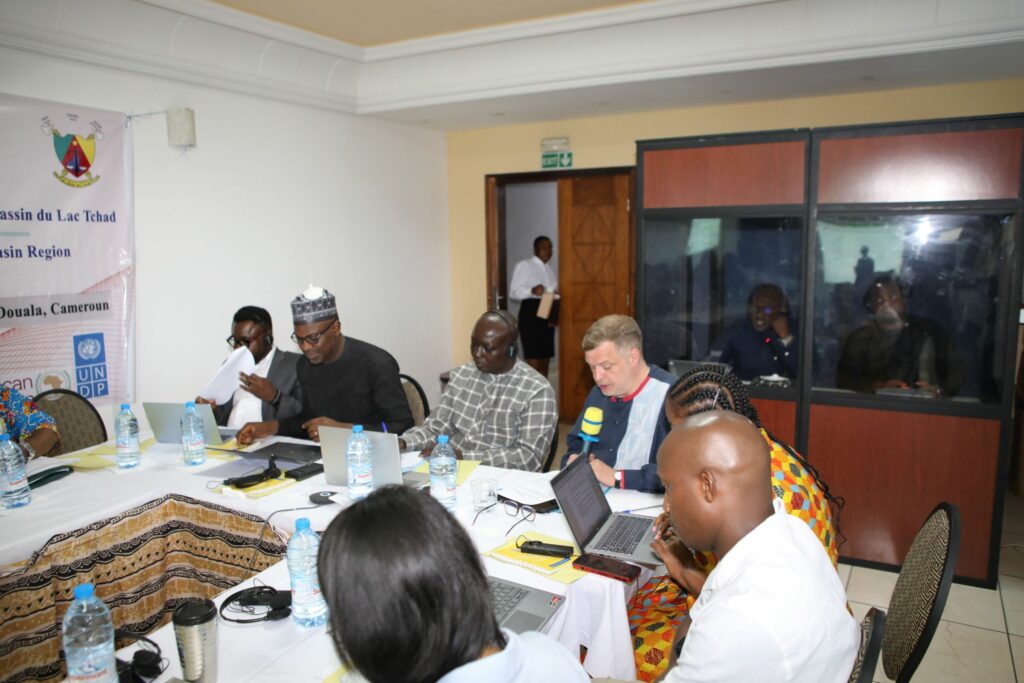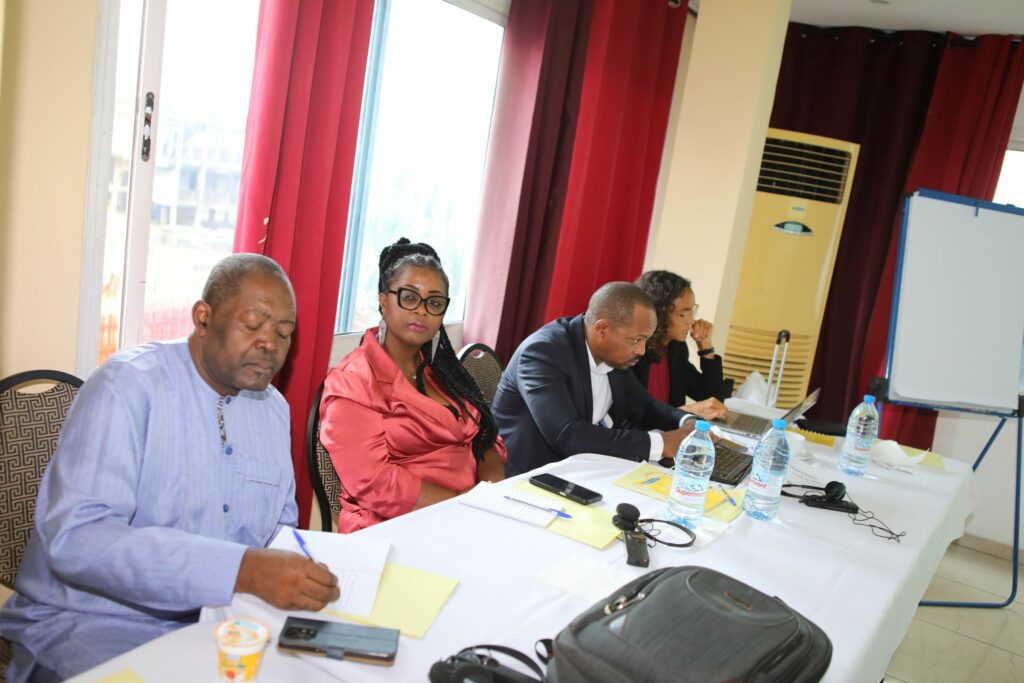
Regional Training on Transitional Justice Opens in Douala to Advance Peace and Justice in the Lake Chad Basin
Douala, Cameroon – 29 June 2026
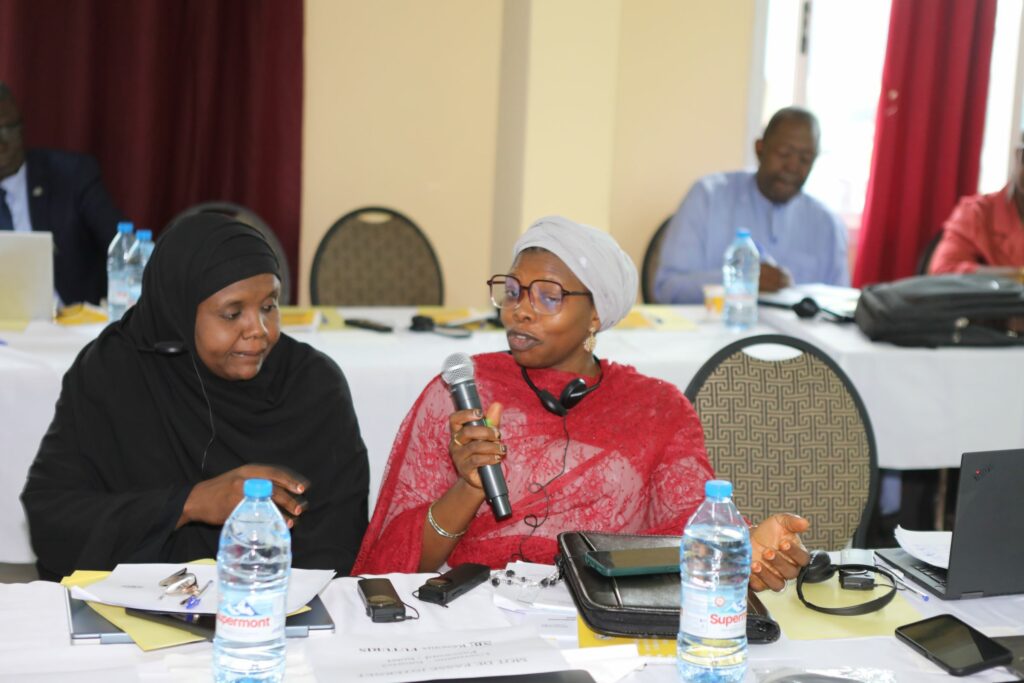
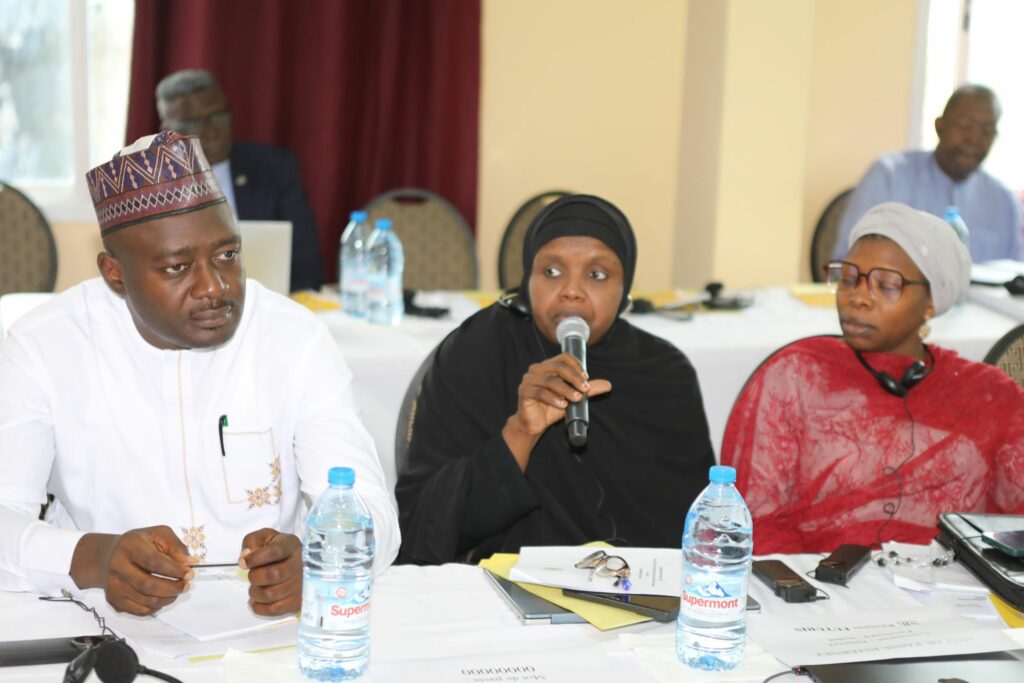
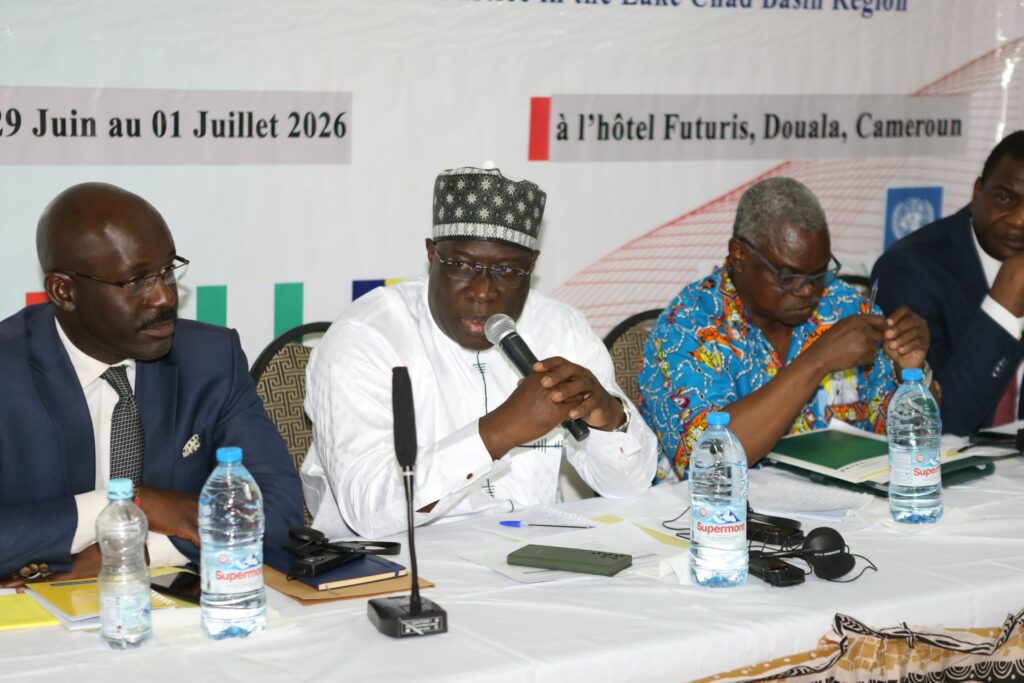
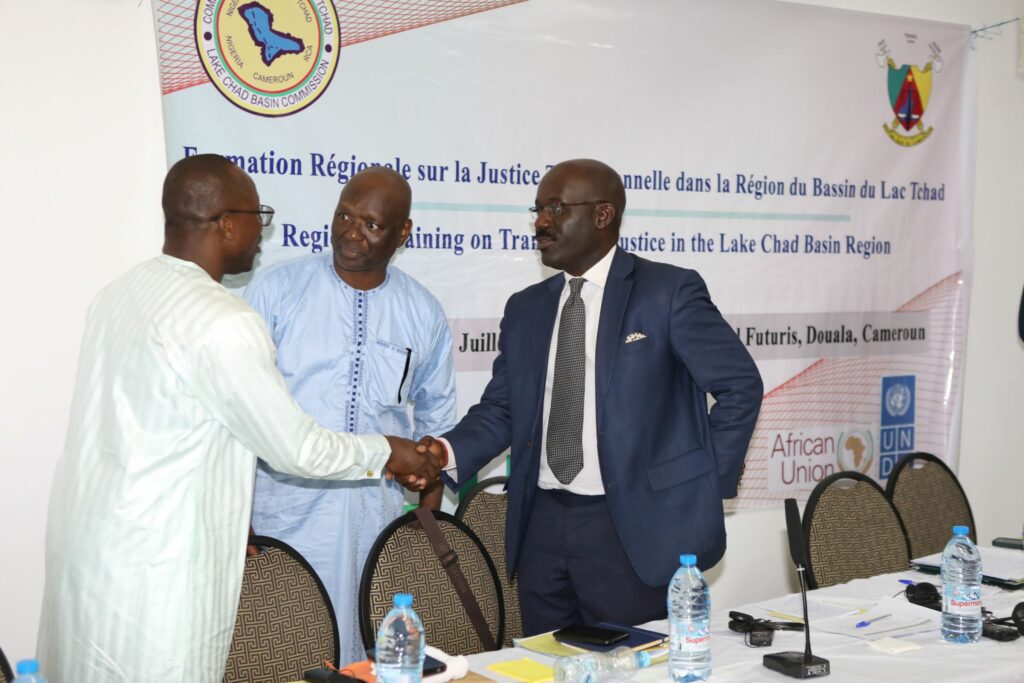
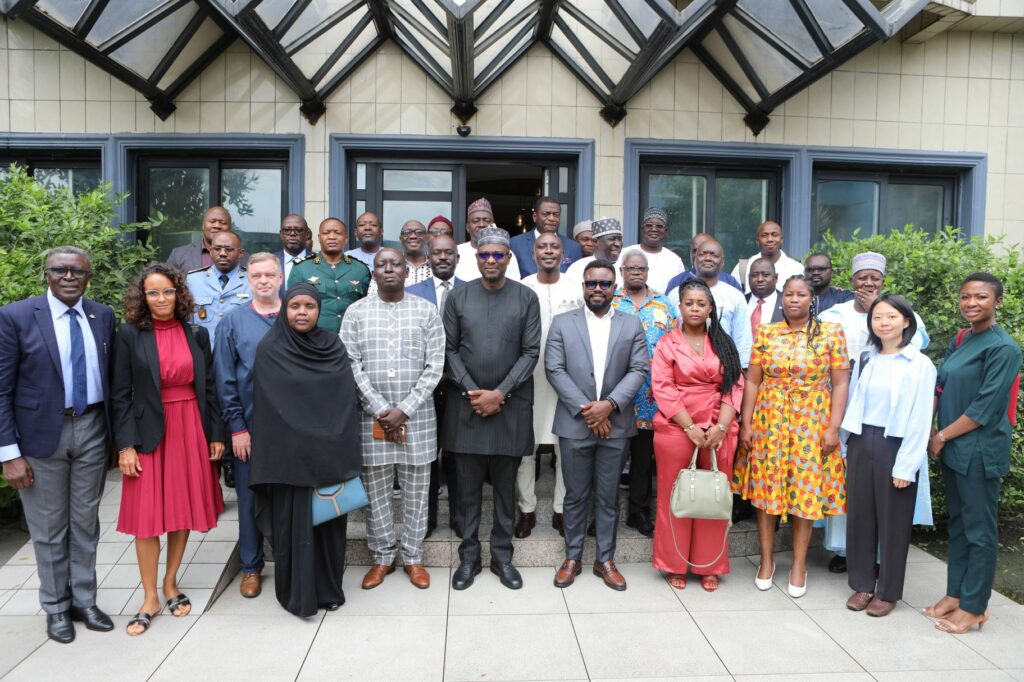
The Lake Chad Basin Commission (LCBC), in collaboration with the African Union Commission (AUC) and supported by key partners including UNDP, has launched a Regional Training on Transitional Justice in Douala, Cameroon. The three-day workshop brings together justice sector actors, policymakers, practitioners and experts from Cameroon, Chad, Niger, and Nigeria to strengthen regional efforts toward peace, accountability, and social cohesion.
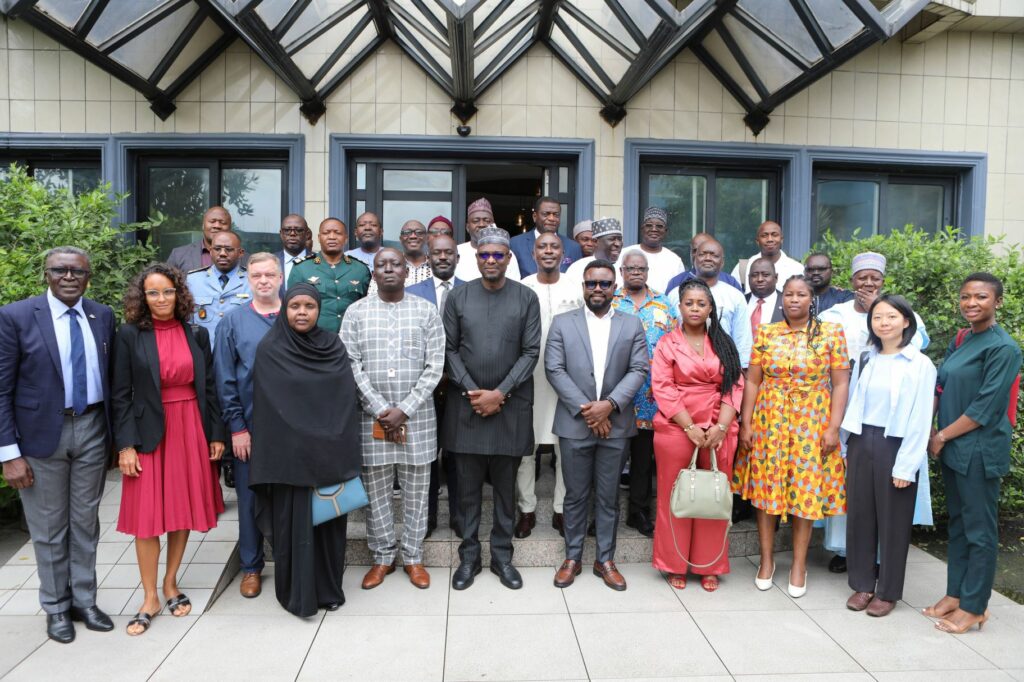
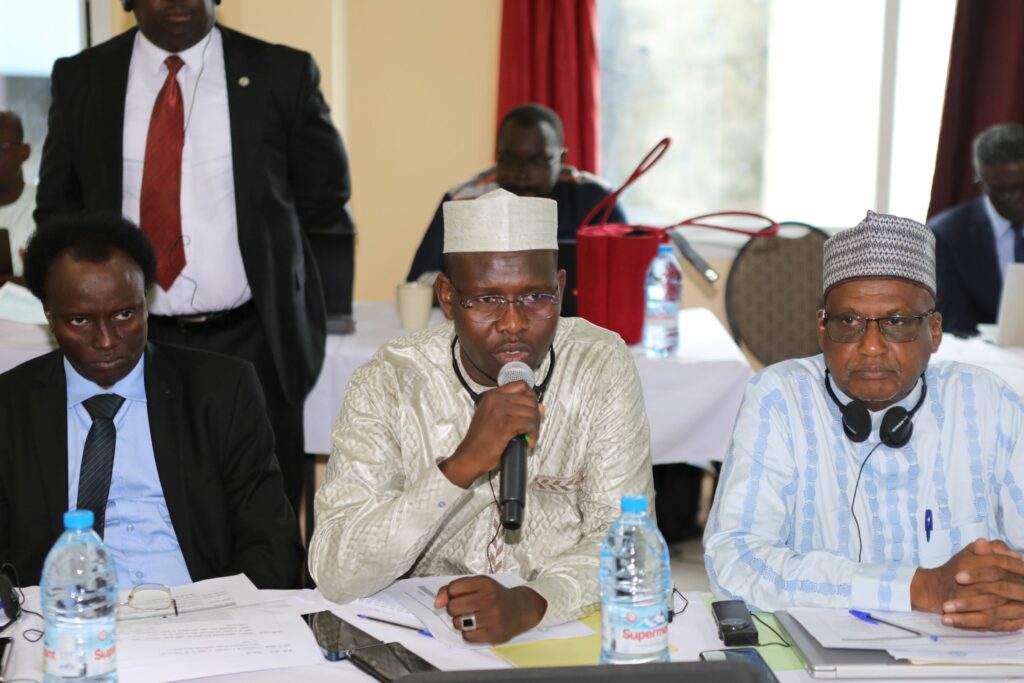
The opening ceremony was marked by high-level speeches and remarks from representatives of the Host Country Cameroun, the African Union, the United Nations Development Fund (UNDP) and the LCBC, reflecting a shared commitment to addressing the complex legacy of conflict affecting the Lake Chad Region.
In his opening remarks, the Executive Secretary of the LCBC ably represented by the Technical Director, emphasized the urgency of addressing the long-term consequences of conflict in the region. He noted that while the Lake Chad Basin continues to face challenges such as insecurity, displacement, and social fragmentation, there is also renewed hope for healing and recovery through coordinated regional action.
The training underscores the importance of transitional justice as a key pillar of stabilization. Rather than focusing solely on past violations, transitional justice is positioned as a forward-looking framework that promotes accountability, restores dignity to victims, rebuilds trust in institutions, and fosters reconciliation across communities.
This training is part of ongoing efforts by the LCBC and its partners to operationalize the Regional Strategy for the Stabilization, Recovery and Resilience (RS-SRR 2.0), which recognizes transitional justice as essential for sustainable peace.
The RS-SRR2.0 emphasizes a humanitarian–development–peace nexus approach, linking security interventions with long-term recovery and governance reforms to address the root causes of instability.
Participants will deepen their understanding of transitional justice principles aligned with the African Union Transitional Justice Policy, while ensuring that these approaches remain grounded in the realities of the Lake Chad Basin.
The Lake Chad Basin faces interconnected challenges that underscore the need for a comprehensive approach to justice and peacebuilding. These include:
- Persistent insecurity driven by violent extremism and inter-communal conflicts
- Climate change and environmental degradation affecting livelihoods
- Rapid population growth and pressure on natural resources
- Structural inequalities and limited access to justice and basic services
These factors have contributed to widespread displacement, socio-economic vulnerabilities, and erosion of trust between communities and state institutions.
Against this backdrop, transitional justice provides a framework for addressing grievances, promoting inclusion, and preventing the recurrence of violence by placing the victims and communities at the center of the process.
Building Capacity and Ownership
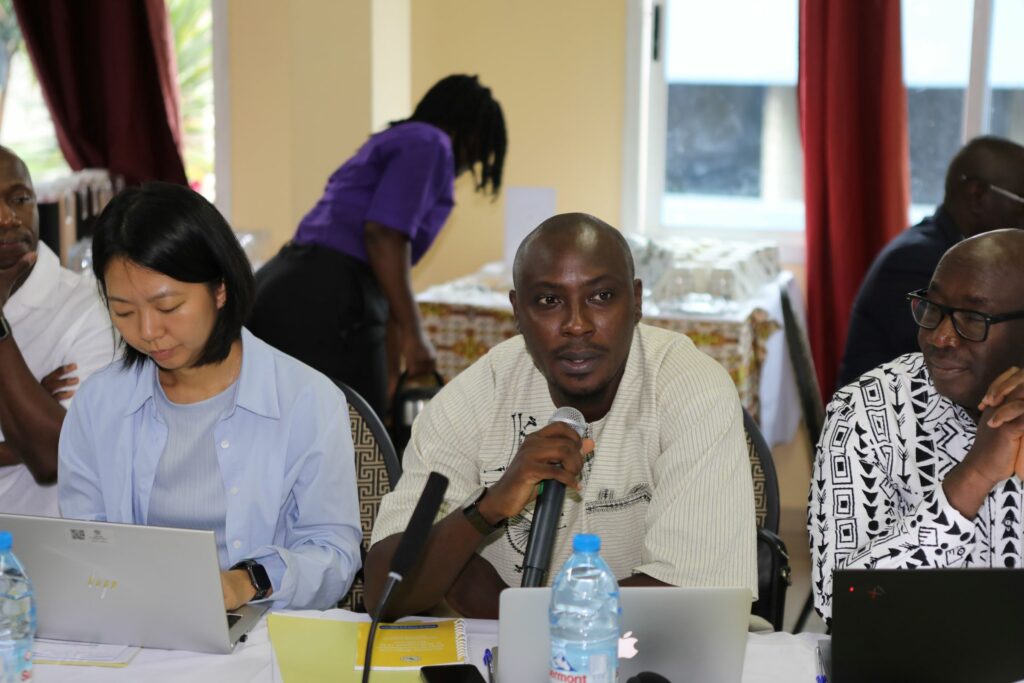
With over 40 participants drawn from justice institutions, government agencies, and regional organizations, the training aims to:
- Build a shared understanding of transitional justice concepts and tools
- Foster regional dialogue and cooperation among Member States
- Strengthen national ownership and political legitimacy of transitional justice processes
- Support the development and implementation of a regional transitional justice policy
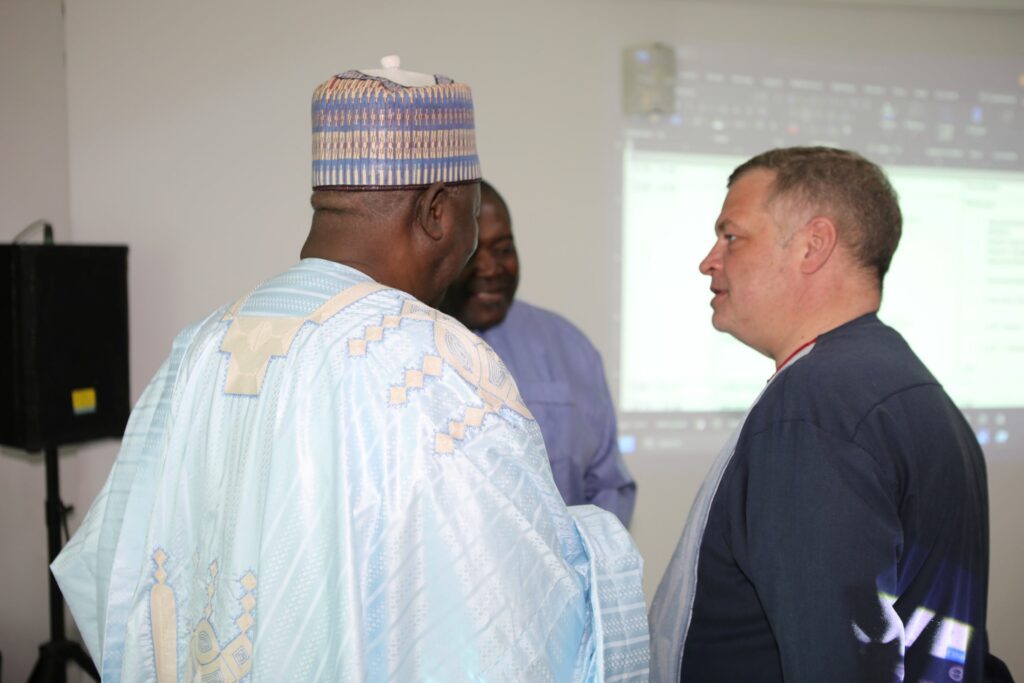
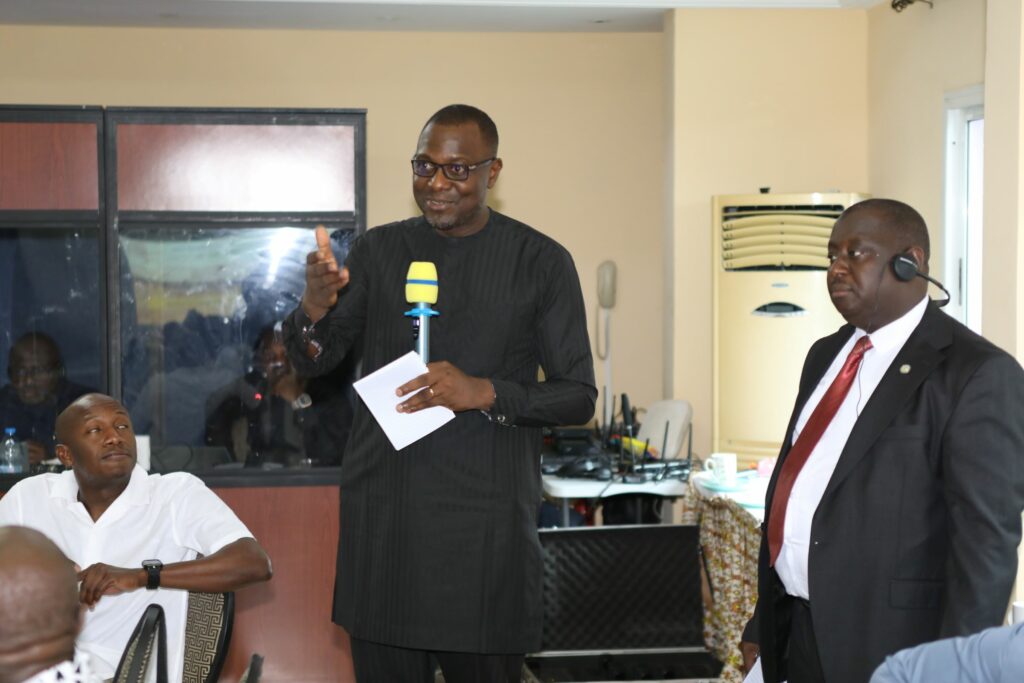
The interactive training methodology includes expert presentations, case studies, and group discussions designed to translate policy principles into practical actions.
The LCBC expressed appreciation to its partners, including the African Union, UNDP, UNODC, IOM, BICC, ISS, and other technical and financial contributors, for their continued support in advancing peace and stability in the region.
UNDP, in its remarks, reaffirmed its commitment to supporting transitional justice as a complementary mechanism that strengthens accountability, promotes inclusion, and ensures that recovery processes leave no one behind.
The Role of the LCBC in Regional Stability
Established in 1964, the Lake Chad Basin Commission plays a central role in promoting regional cooperation, sustainable resource management, and peace and security across its Member States.
Through initiatives such as the Strategic Action Programme (SAP 2023–2037) and RS-SRR2.0, the Commission continues to drive efforts aimed at improving livelihoods, strengthening resilience, and fostering long-term stability in one of Africa’s most complex regions.
Over the next three days, participants will engage in in-depth discussions on key thematic areas, including accountability mechanisms, gender and inclusion, psychosocial support, and community-based justice systems. The outcomes of the training are expected to contribute significantly to shaping a coherent, context-specific transitional justice policy for the Lake Chad Basin.
As the region continues its journey from crisis to recovery, this training marks an important milestone in building a shared vision for justice, reconciliation, and sustainable peace.
Follow LCBC on X (Twitter): @lcbc_cblt