
Hydro-diplomacy at the Heart of Regional Stability: LCBC and NBA Convene Joint Conference in Abuja
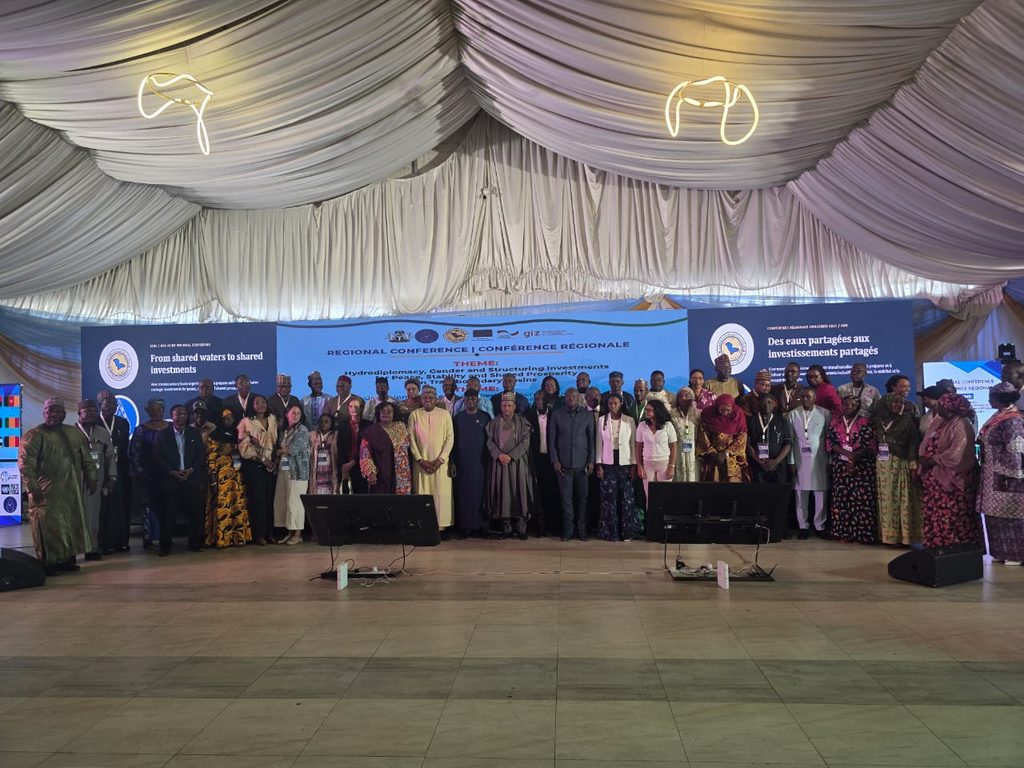
Abuja, 28 September 2026 the Lake Chad Basin Commission (LCBC) and the Niger Basin Authority (NBA) today opened a three-day regional conference in Abuja under the theme “Hydrodiplomacy, Gender, and Major Investments for Peace, Stability, and Shared Prosperity in Transboundary Basins.” The conference is organised with support from the LACHAWAMA Project, executed by the GIZ and co-funded by the European Union and BMZ.
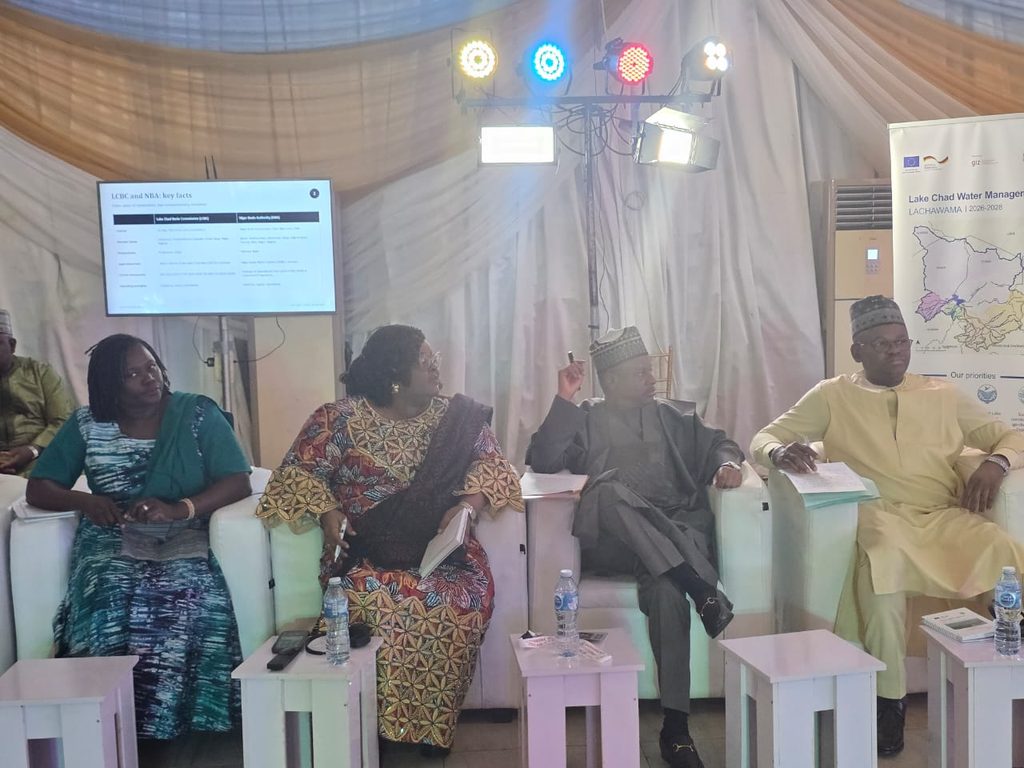
The meeting brings together two of Africa’s most strategically important river basin organisations at a moment when climate stress, insecurity and pressure on natural resources are testing communities across both basins. Participants include representatives of member states, basin organisations, technical and financial partners, national focal structures, resource-user groups and other stakeholders, who will examine how water cooperation and strategic investments can contribute to peace, resilience and development across the Niger and Lake Chad basins.
A shared challenge demands a shared response
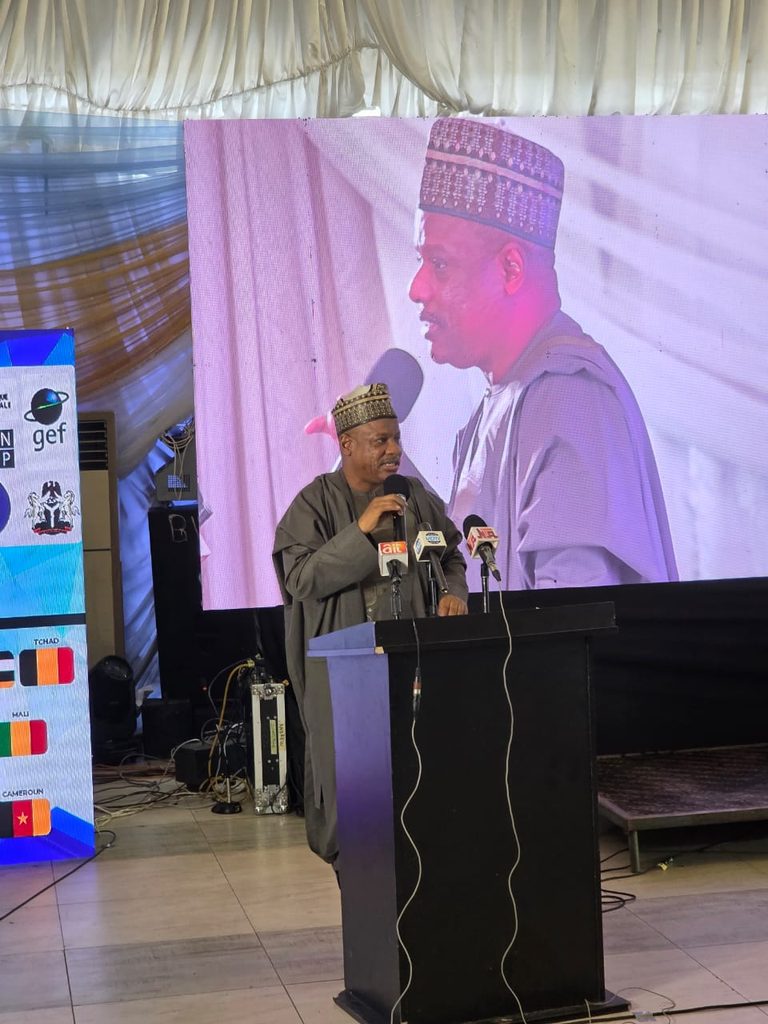
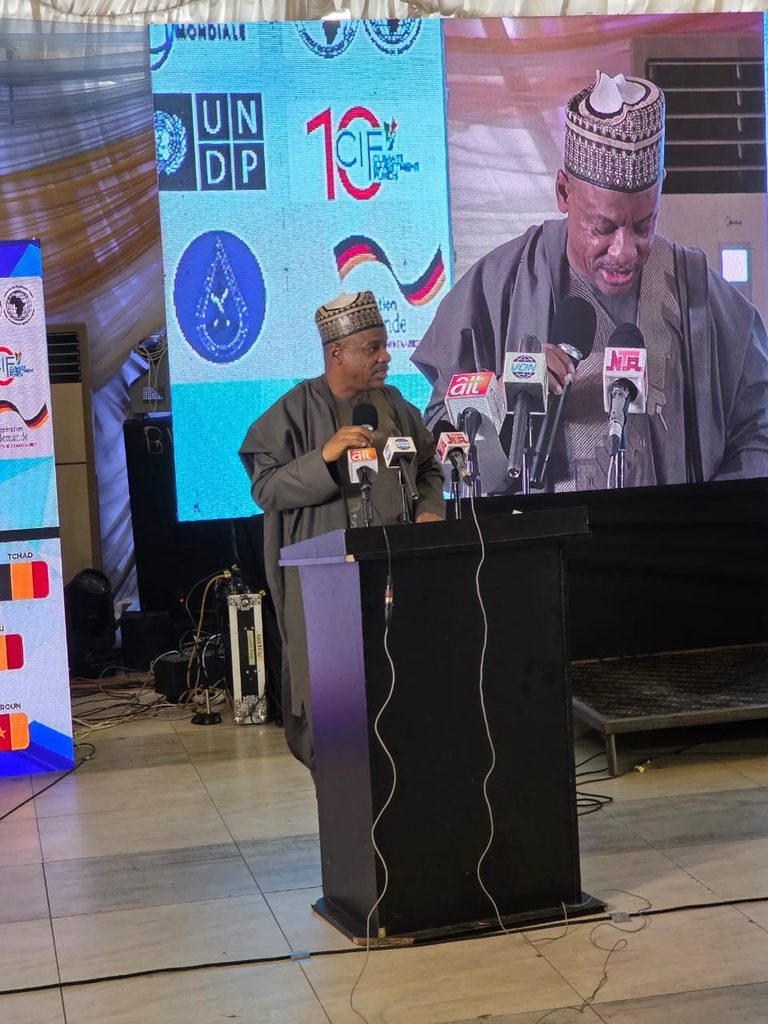
Declaring the conference open, Nigeria’s Minister of Water Resources and Sanitation, Prof. Joseph Utsev, stressed that the problems facing the two basins cannot be solved by any single country. “Water does not recognise political boundaries,” he told delegates. He called on the NBA and LCBC to strengthen their working synergy through joint planning, knowledge exchange, technical cooperation and strategic investment, since the two institutions share overlapping mandates and interconnected challenges.
The Minister added that because Nigeria belongs to both regional transboundary organisations, it has a particular responsibility to support sustainable water management, climate resilience, livelihoods and regional stability.
The case for closer cooperation is compelling. NBA Executive Secretary Kocou Houanye noted the strong hydrological, socio-economic and resilience links between the Niger and Lake Chad basins, with four countries belonging to both basin organisations. He described the conference as a platform for preventing and managing conflicts associated with the use of natural resources.
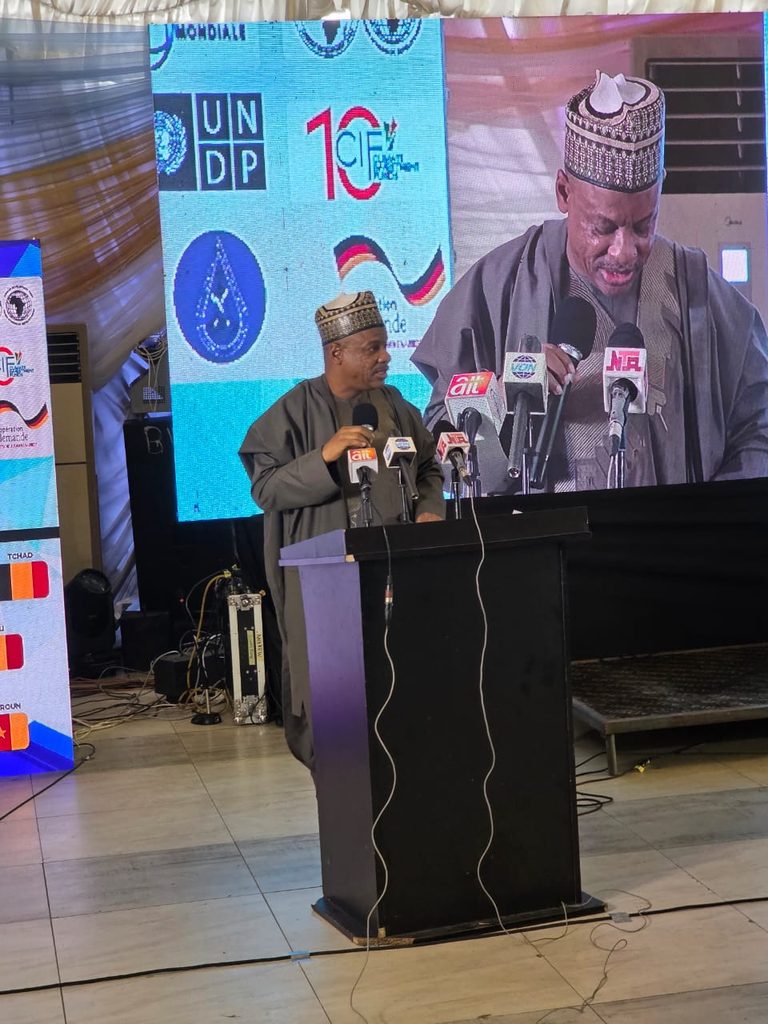
Opening the conference, Ambassador Ibrahim Babani, Executive Secretary of the LCBC and Head of Mission of the Multinational Joint Task Force (MNJTF), described water as more than a natural resource.
“Water is not merely a resource; it is a vector for dialogue, an instrument of peace, and a lever for development. It becomes a source of stability and shared prosperity when managed collectively and sustainably. This is the essence of hydrodiplomacy,” he stated.
He noted that both the LCBC and NBA, institutions established in 1964, have a shared responsibility to promote the sustainable management of transboundary water resources and advance regional integration. Ambassador Babani reaffirmed the LCBC’s commitment to implementing key regional frameworks, including the Lake Chad Basin Water Charter, the Strategic Action Programme (2023-2037), and the Regional Strategy for Stabilisation, Recovery and Resilience.
Putting women at the centre of water governance
Gender is a defining pillar of this year’s agenda. Prof. Utsev pointed out that women are central to water management, agriculture, food security and community resilience, yet remain underrepresented where decisions are made. He called for gender considerations to be built into the technical, social, environmental and economic assessment of transboundary investments.
Speaking for the National Focal Structure, Mrs Angela Keyede stressed that women and vulnerable groups must be meaningfully represented in transboundary water governance. A key output of the week will be concrete: participants are expected to review and validate the NBA gender policy and strategy, as well as the LCBC gender strategy under its Lake Chad WASH programme.
Mobilising investment beyond public budgets
Delegates acknowledged that ambition must be matched by finance. The Minister called on development partners, international financial institutions, the private sector and other stakeholders to mobilise innovative financing. He noted that investments in water security, climate resilience, irrigation, sanitation, ecosystem restoration, renewable energy, livelihoods and health can deliver benefits across national borders.
There are encouraging signs of progress. Mr Houanye reported that the PIDACC programme’s physical implementation rate has risen from 37 per cent in September 2025 to 48.3 per cent. Over the same period, its financial implementation rate climbed from 27 to 57 per cent. He urged stakeholders to keep up the momentum toward a larger successor programme with a stronger focus on strategic water infrastructure.
Speaking on behalf of GIZ, which executes the LACHAWAMA Project, Mrs Hanna described climate change, pressure on natural resources, insecurity and weakened livelihoods as interconnected challenges. She said they require coordinated responses rooted in the realities of affected communities. She described water cooperation as a potential driver of peace, stability and shared prosperity when basin organisations, states and communities work around common interests. Such an approach, she added, can create sustainable economic opportunities, especially for women and young people.
Over the coming days, participants will move from dialogue to decisions, validating gender frameworks and identifying practical avenues for joint investment. The programme also includes the 2026 session of the NBA Regional Steering Committee, which will review programme performance and the proposed 2027 work plans and budgets.
For the millions who depend on the waters of the Niger and Lake Chad basins for their livelihoods, the message from Abuja is clear: cooperation over shared water is not only a technical necessity but a foundation for lasting peace.
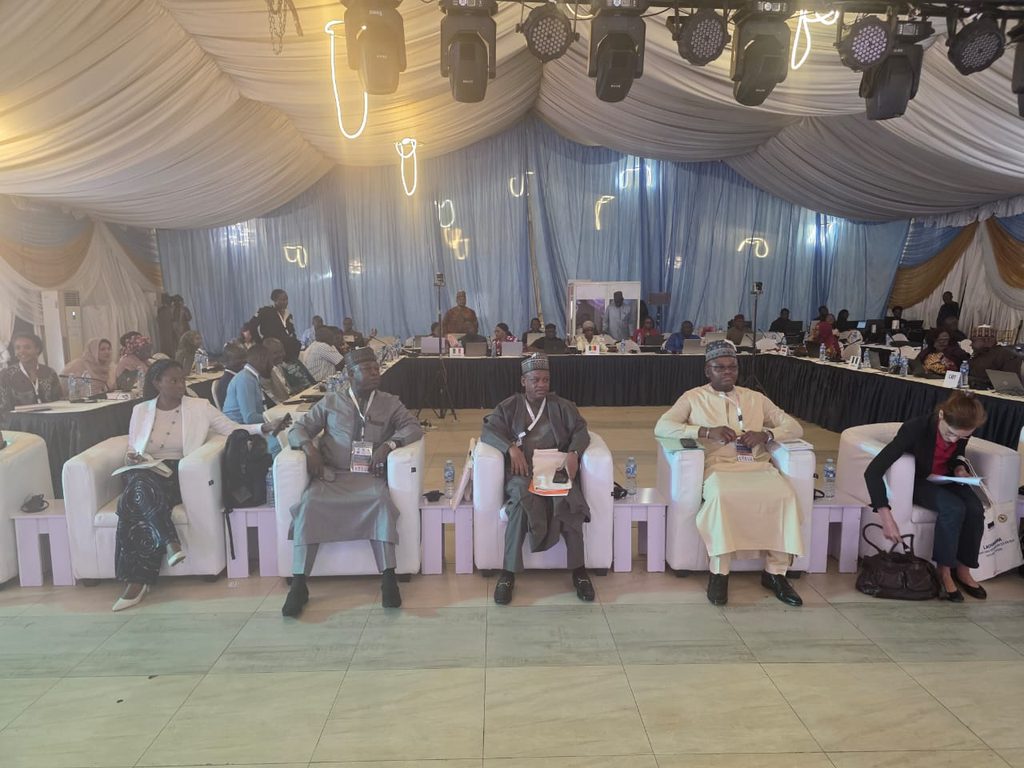
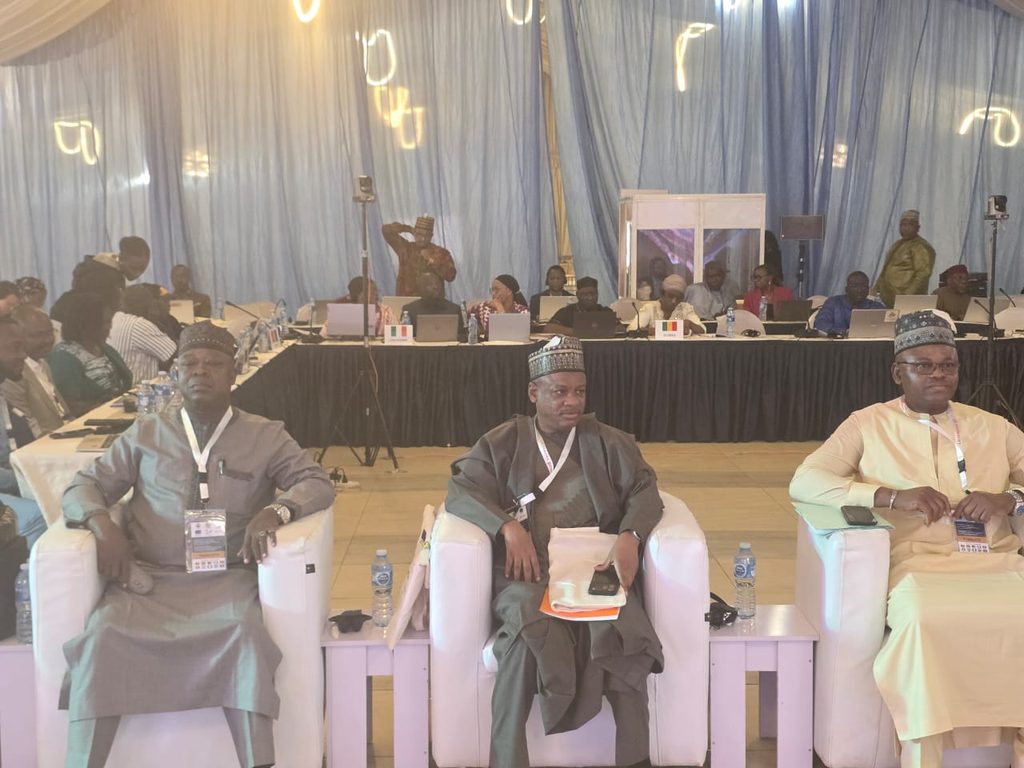
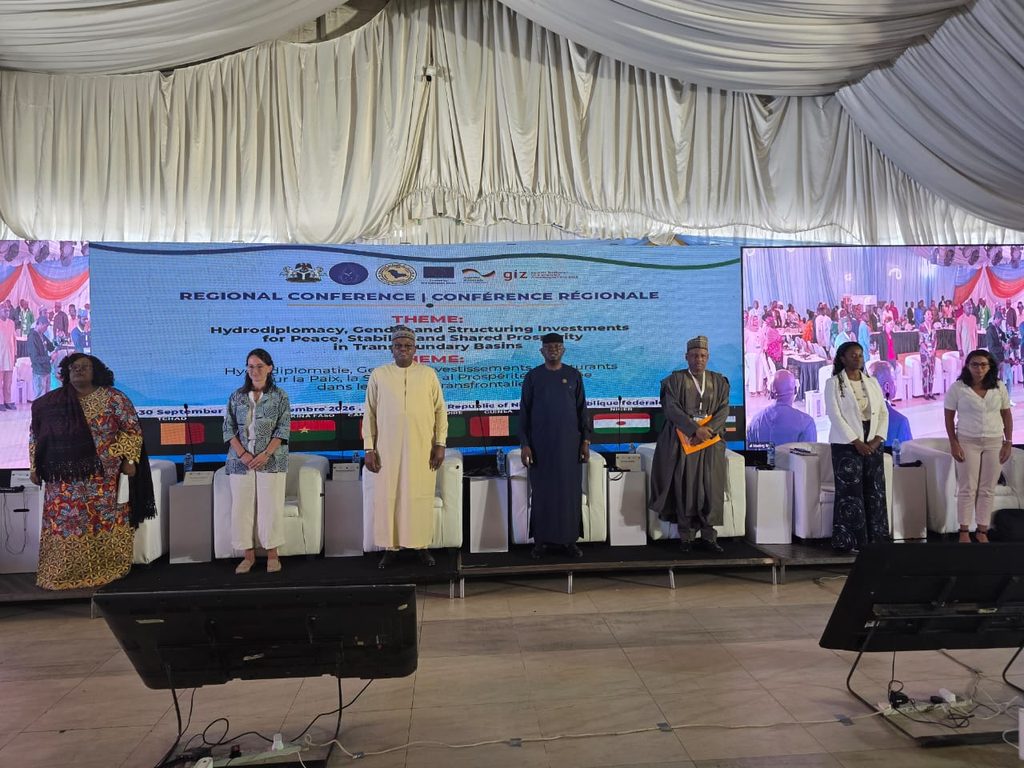
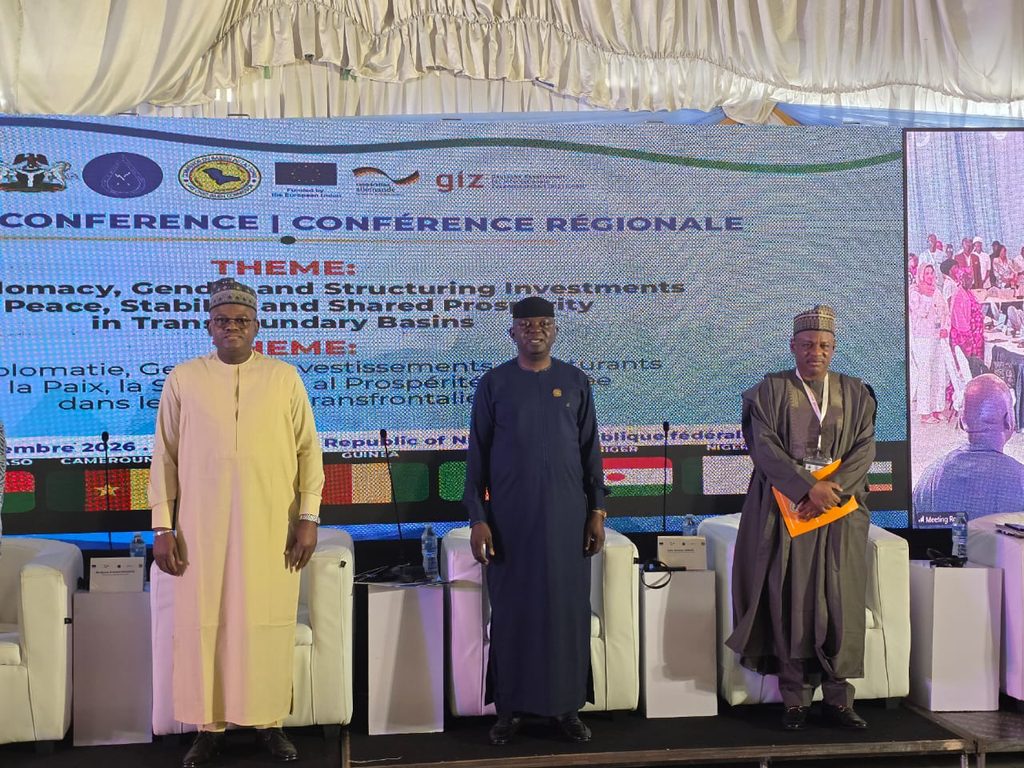
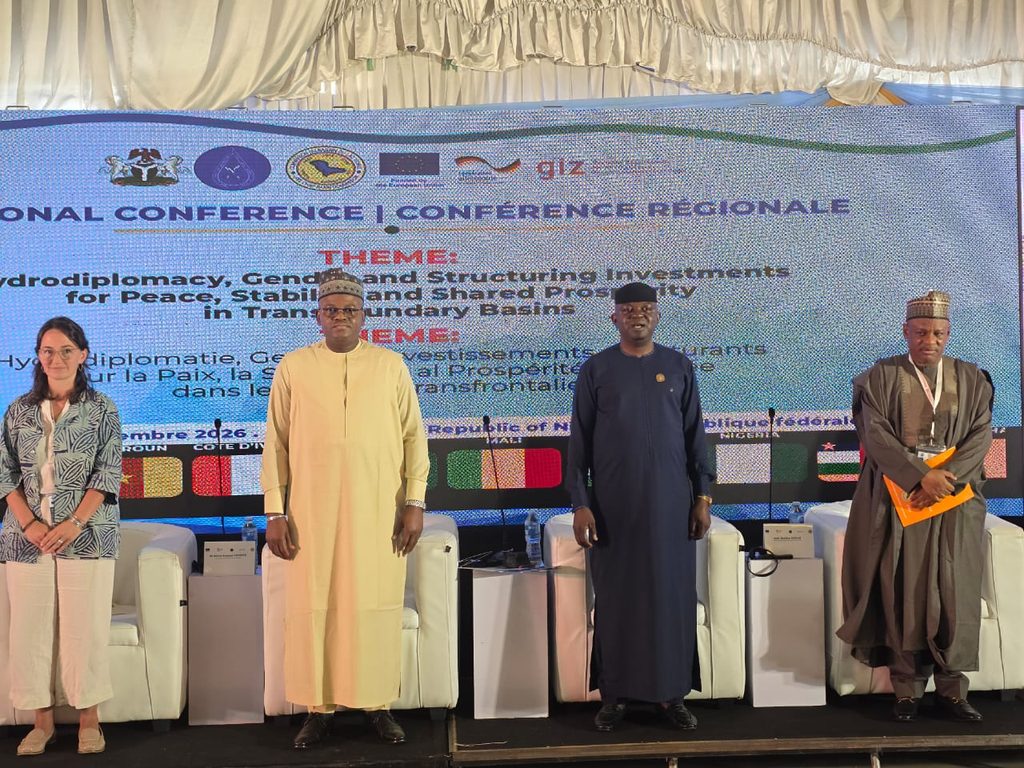
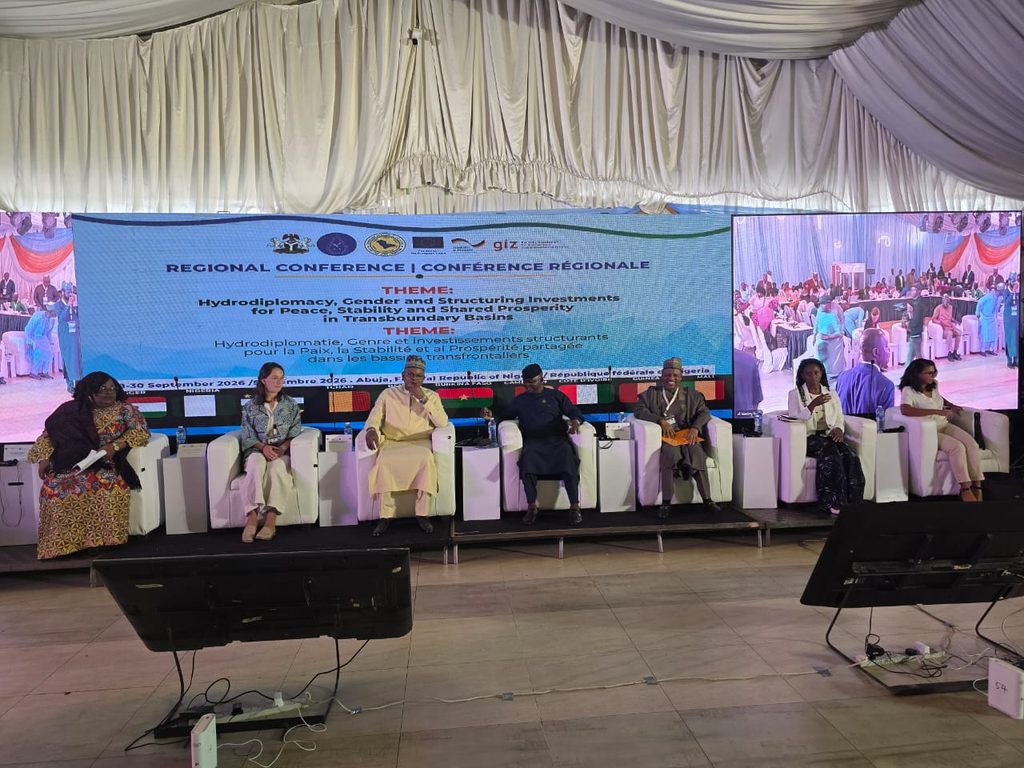
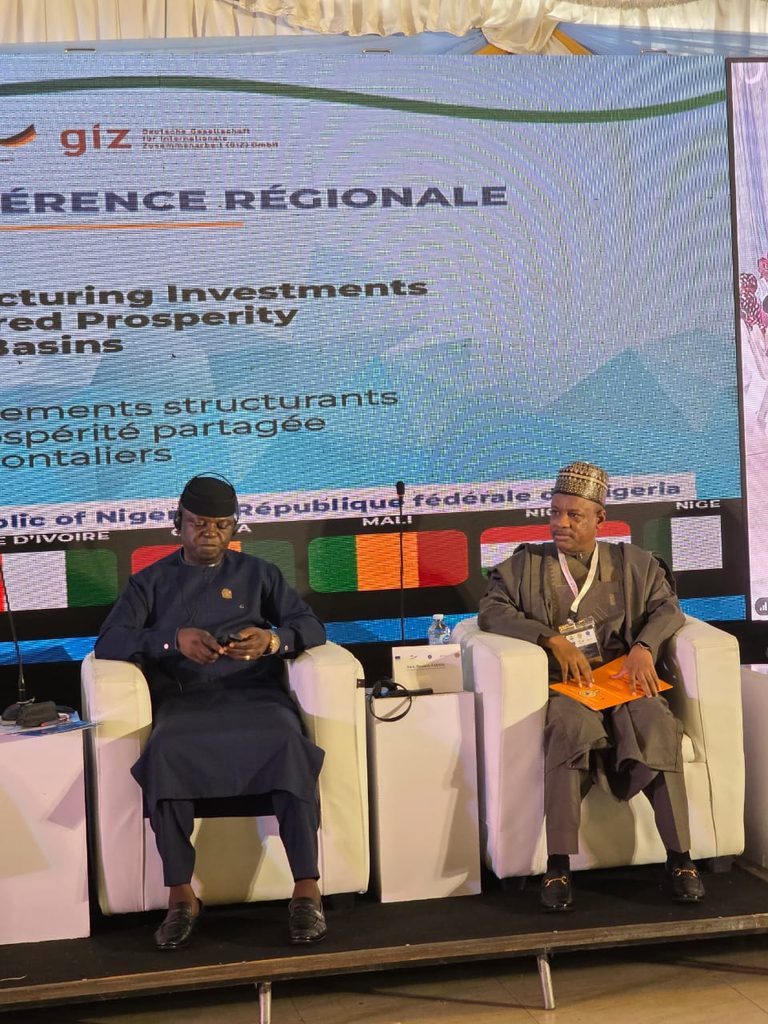
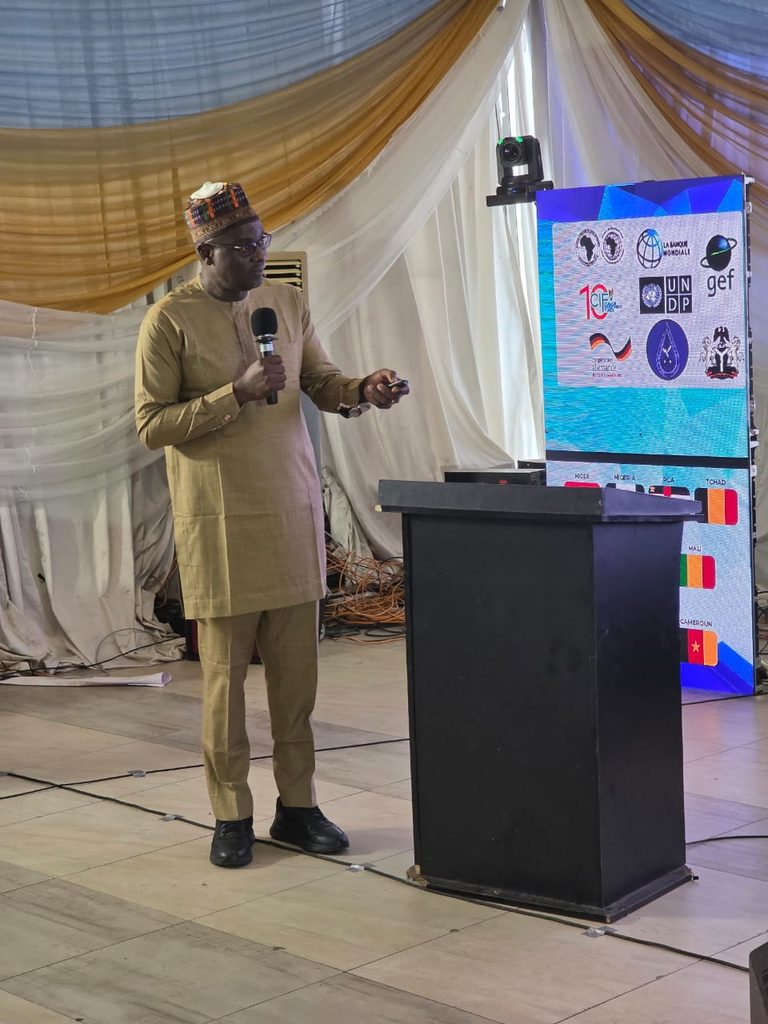
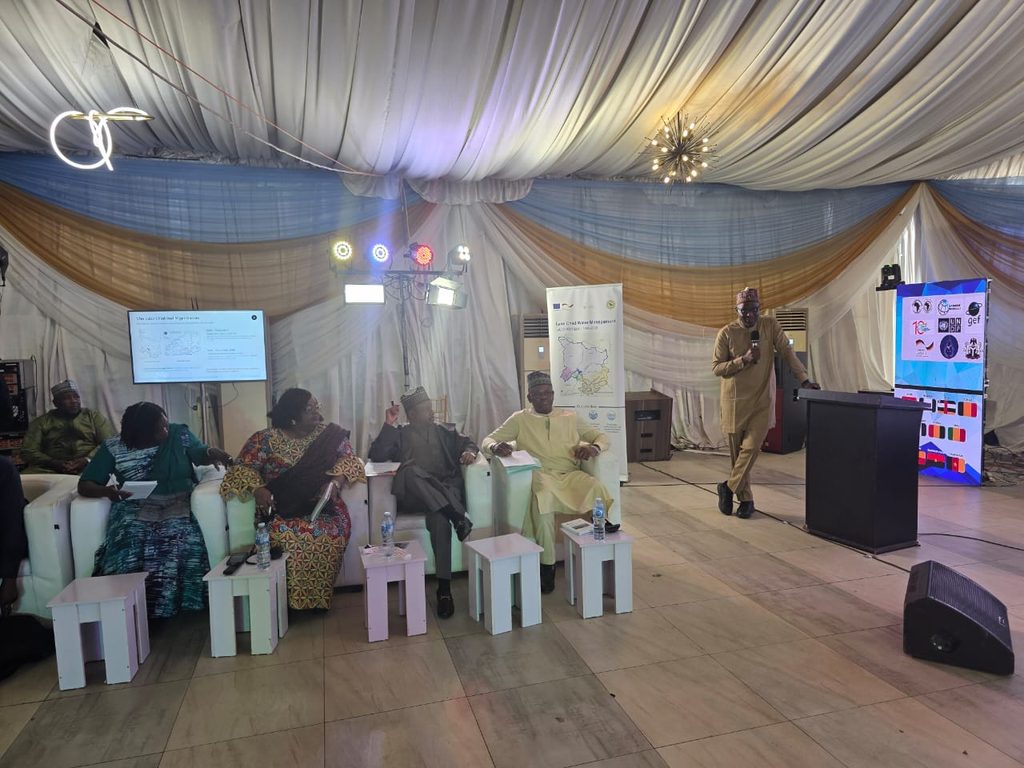
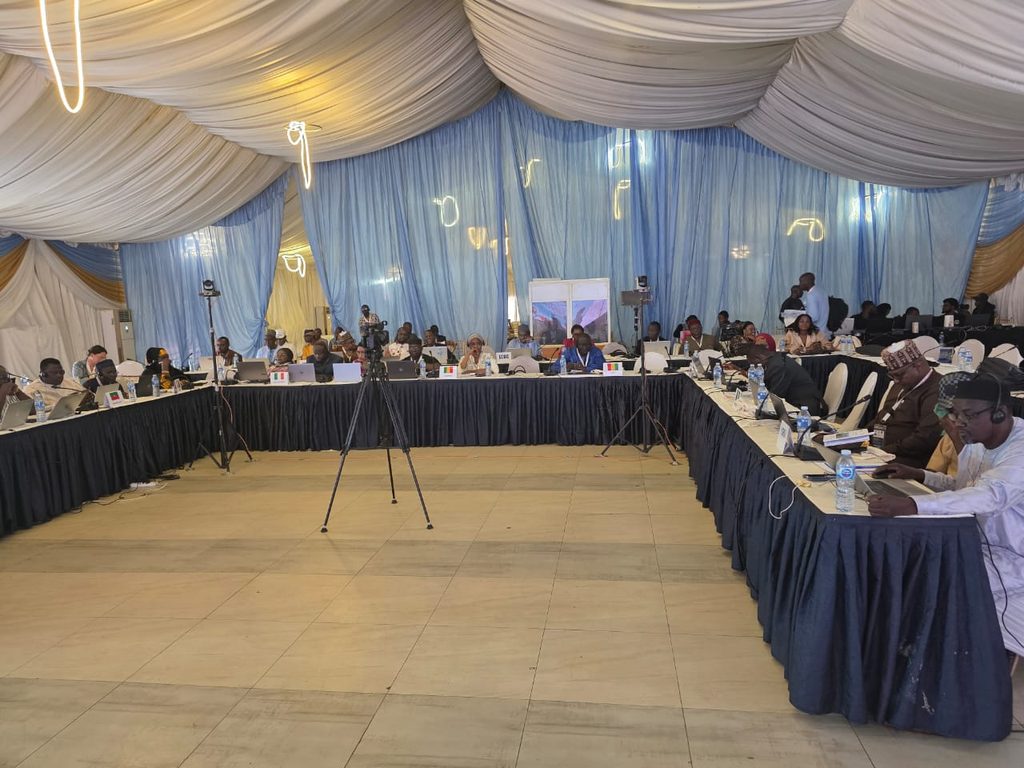
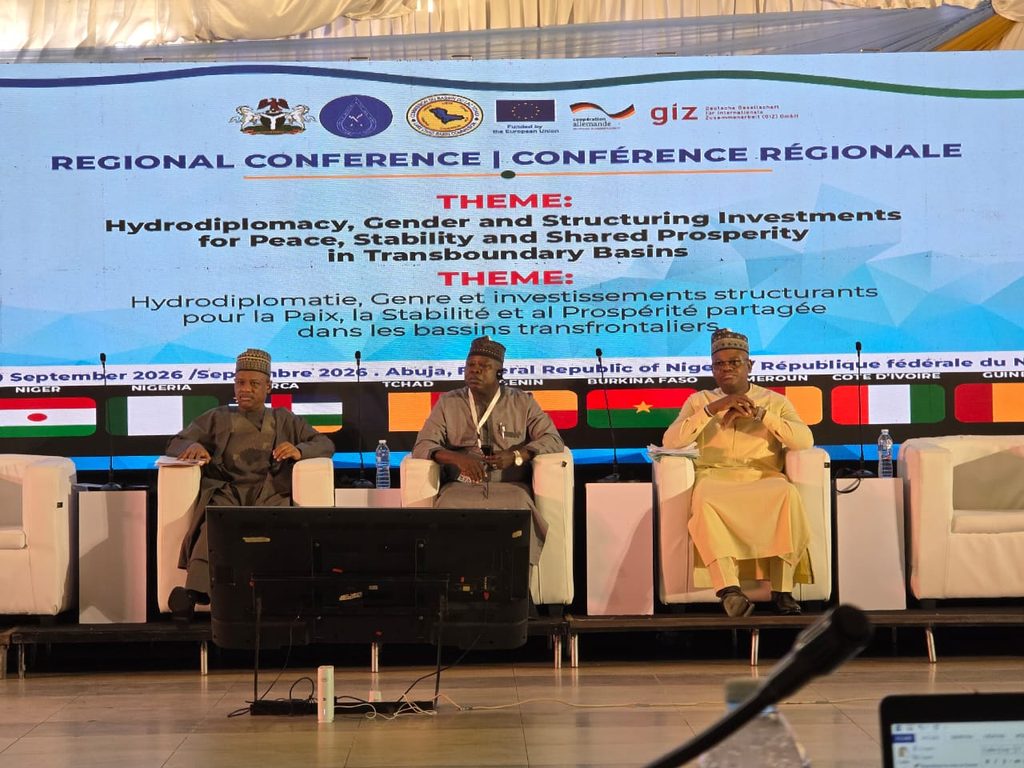
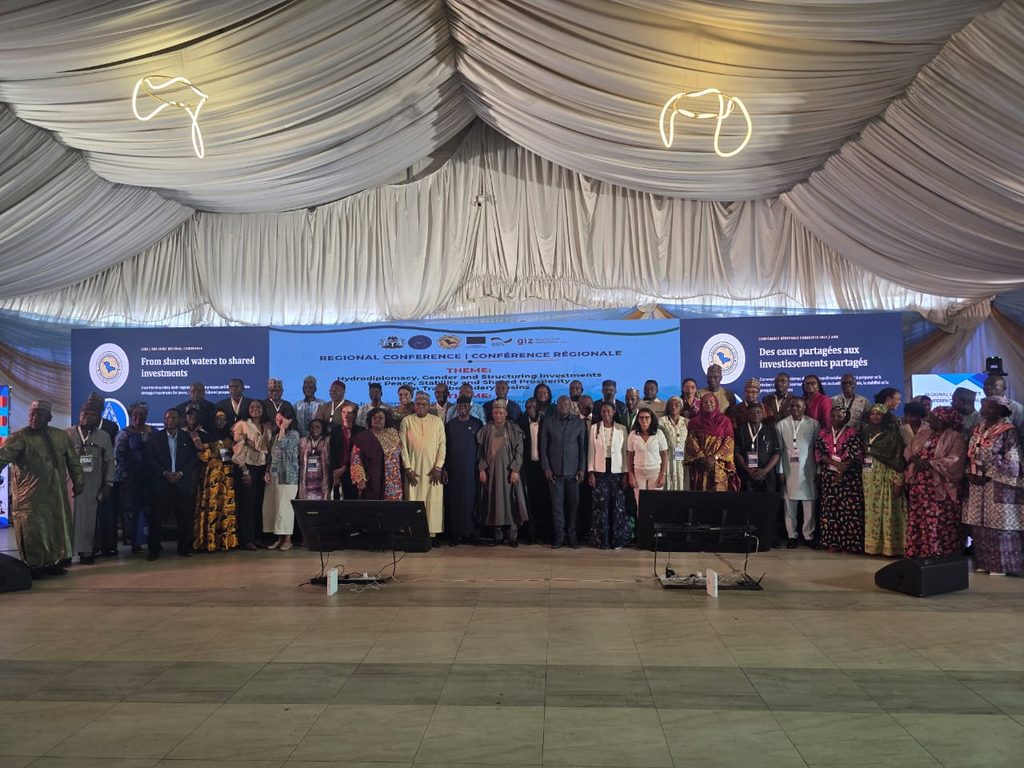
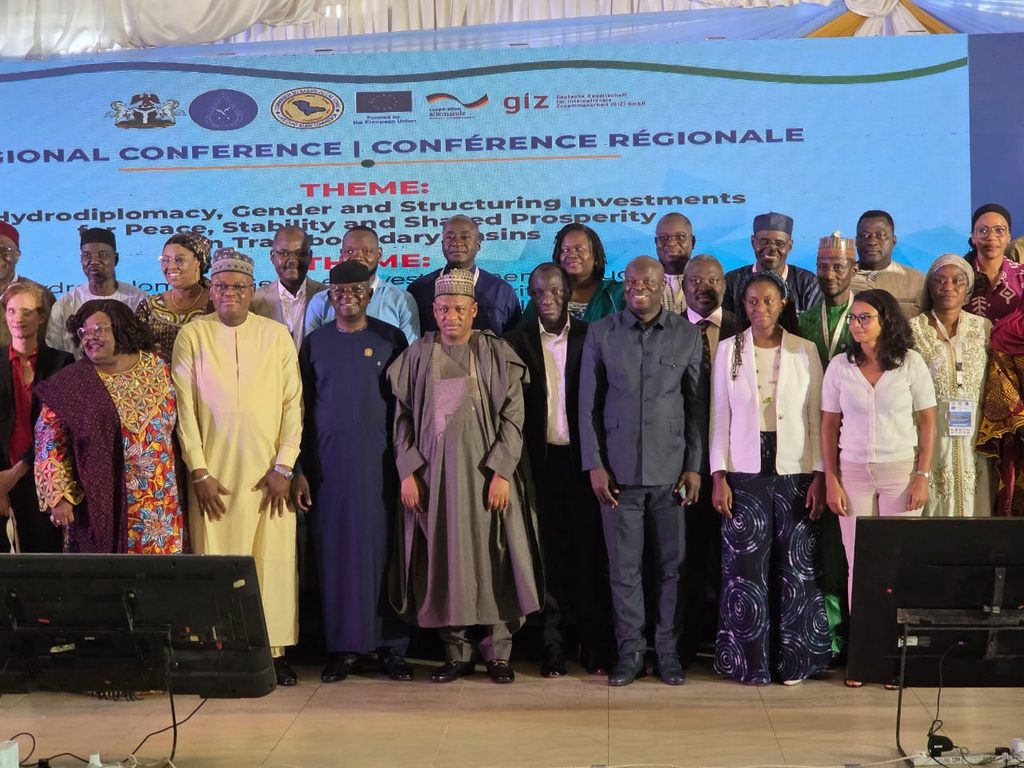
The conference is jointly organised by the NBA and LCBC with support from the LACHAWAMA Project, executed by GIZ and co-funded by the European Union and BMZ.