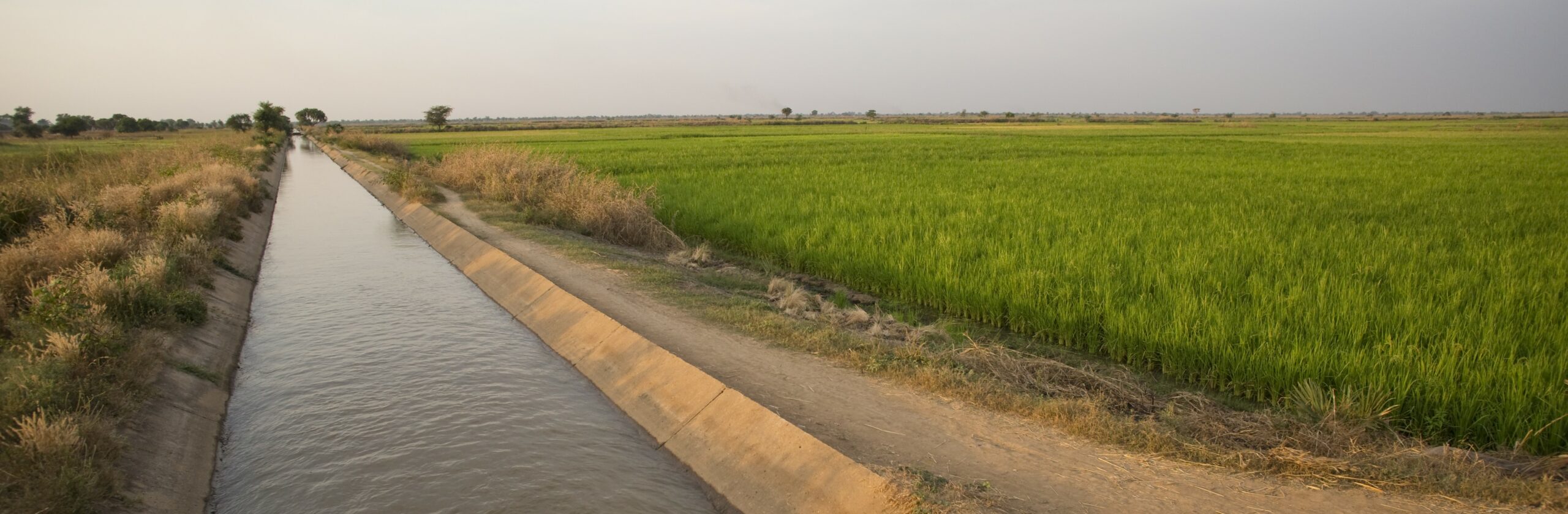
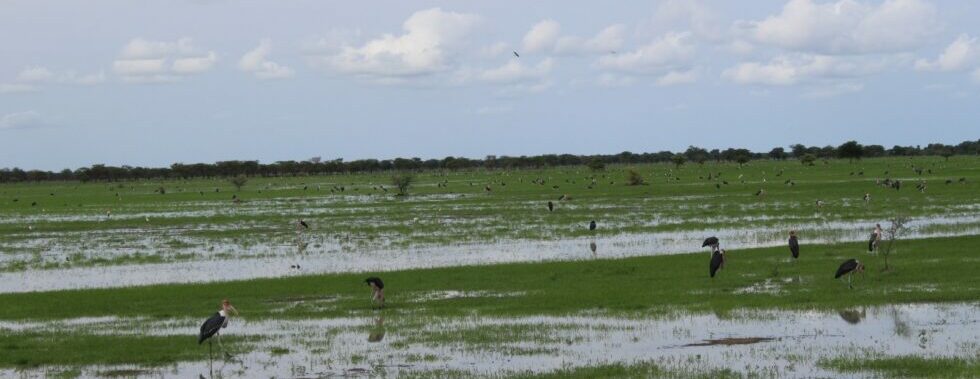
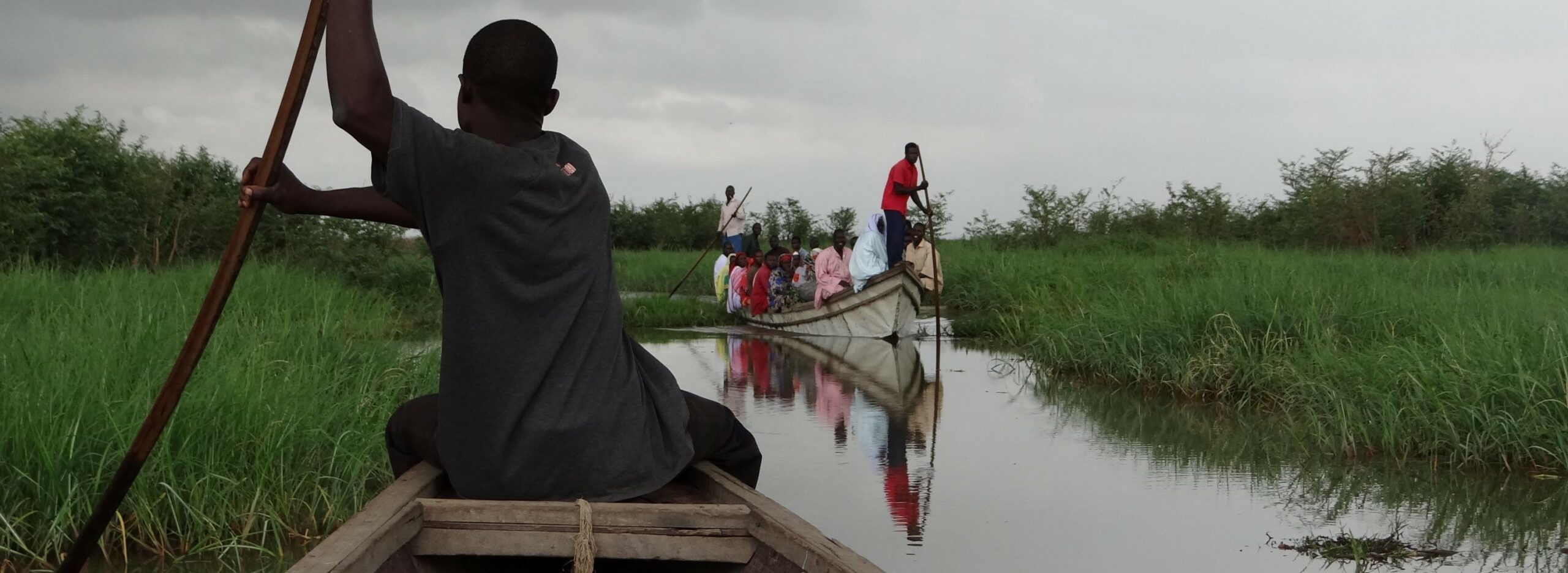
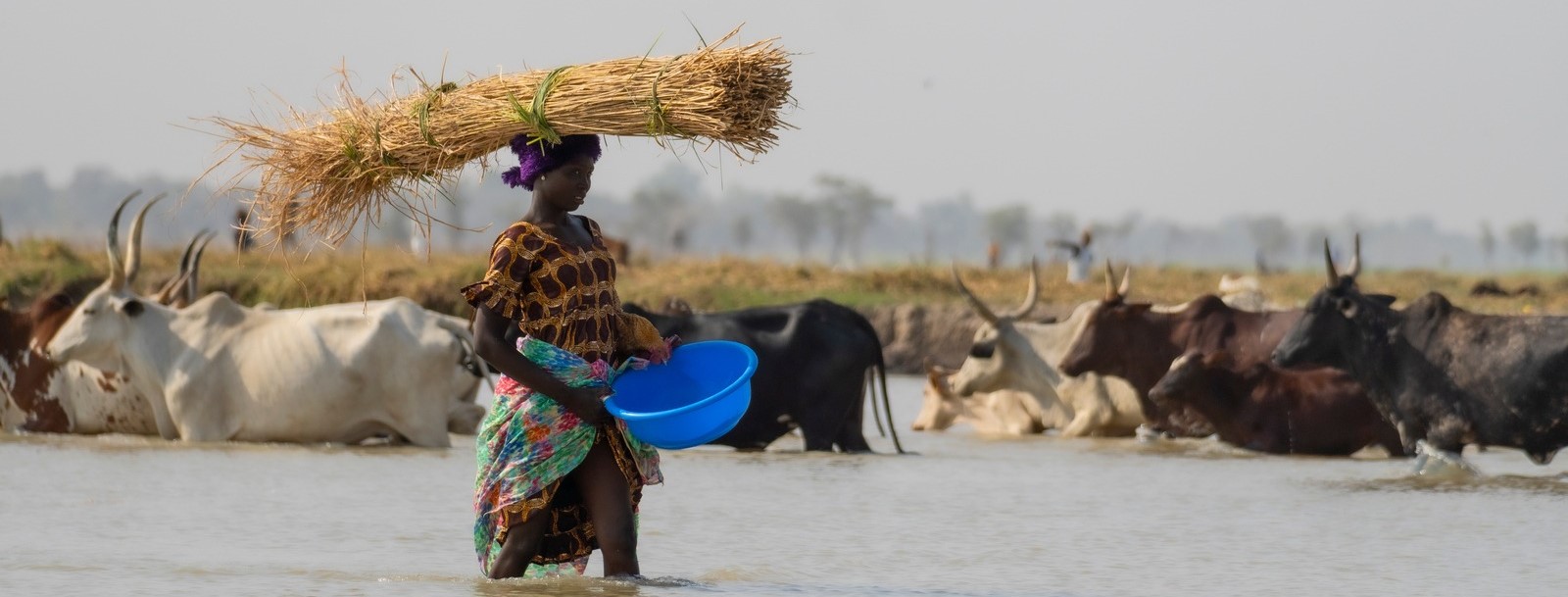
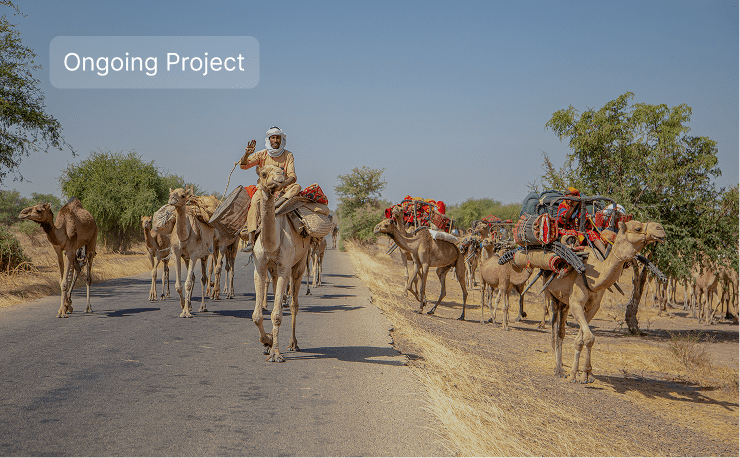
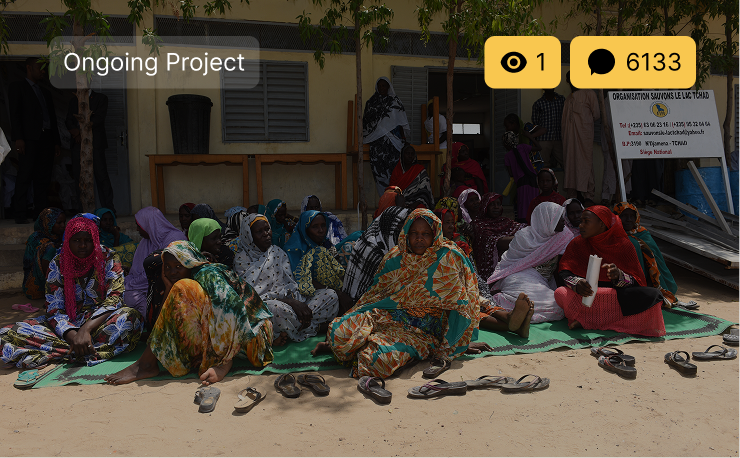
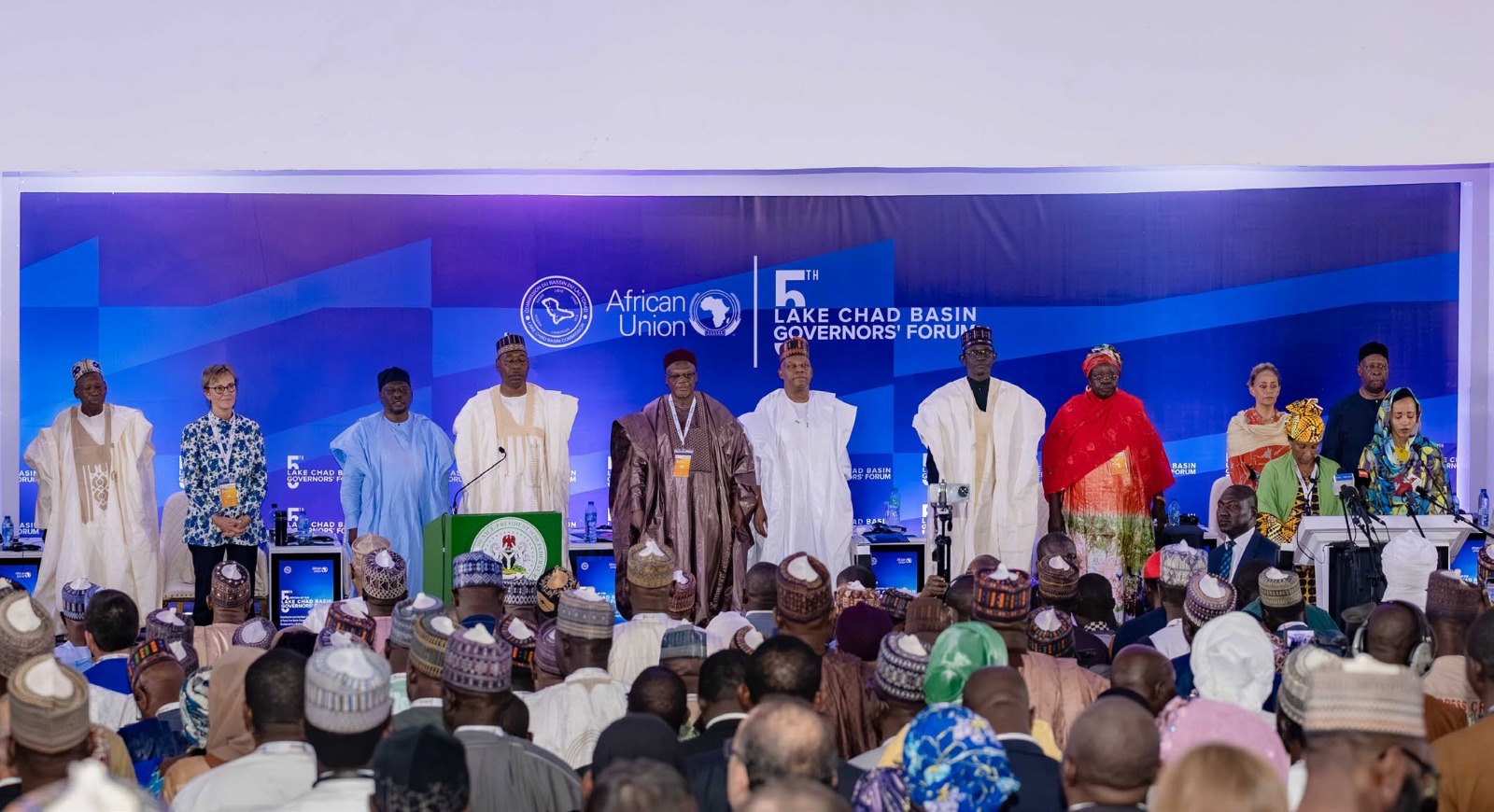
Lake Chad Basin Conservation Project (PCBLT) Duration: March 2023 – December 2026 Budget: CAD $25 million, + CAD $1.1M of in-kind contribution from Alinea and its consortium partners Financial Partner: Global Affairs Canada (GAC) Implementing Partner: Alinea International Strategic Partner: Lake Chad Basin Commission (LCBC) Consortium Partners: Centre for Forestry Education and Research (CERFO), Centre for Indigenous Environmental Resources (CIER), United Nations Association in Canada (UNAC), Centre for the Promotion of Human Rights and Development in Africa (CPHDA) Community Partners: AGIR Plus- Niger, Alliance Citoyenne pour le Développement et l’Education à l’Environnement (ACEEN-Cameroon) and Organisation Sauvons le Lac Tchad (OSLT-Chad) Introduction The Lake Chad Basin Conservation Project (LCBCP) strengthens the climate resilience of ecosystems and marginalized communities, particularly women and youth, across six Ramsar sites in Cameroon, Chad, and Niger. These regions face ecological degradation, biodiversity loss, hydrological instability, and increasing tensions around the utilization of natural resources. Project Pillars Wetland Conservation & Climate Adaptation The project promotes the restauration and conservation of wetlands and agropastoral areas by marginalized communities highly vulnerable to climate change, across protected areas of the Lake Chad Basin registered under the Ramsar Convention. Through community-led restoration, climate adaptation practices, and environmental stewardship, the project protects fragile ecosystems while improving community resilience to climate shocks. Women & Youth Economic Empowerment The project supports women and youth in vulnerable agropastoral communities located within and around priority Ramsar sites to adopt and benefit from sustainable, climate-smart agricultural livelihoods. By strengthening adaptive capacities, income-generating activities, and access to productive resources, the project enhances food security, economic resilience, and adaptation to climate change. Environmental Peacebuilding & Leadership The project enhances the leadership of women and youth in environmental peacebuilding around targeted Ramsar sites and within existing regional stabilization processes. By strengthening inclusive governance, dialogue, and community engagement, the project reinforces social cohesion and peace across the Lake Chad Basin and contributes to the Regional Stabilization Strategy of the LCBC and its partners. Objectives The project aims to: Restore degraded ecosystems and strengthen biodiversity. Support the utilization of NbS for climate adaptation and resilience. Promote inclusive and equitable resource governance. Advance gender equality and social inclusion. Support climate-resilient livelihoods for women, youth, and marginalized groups. Strengthen cross-border environmental cooperation. Integrate environmental peacebuilding into regional stabilization processes. Key Activities and Components Nature-Based Solutions & Ecosystem Restoration Restoring 10,000 hectares of wetlands and agropastoral areas. Promoting climate-smart agriculture and NbS-linked livelihood promotion. Training of 1,500 government and regional-level officials in NbS, resources mobilization, climate adaptation, and biodiversity preservation/monitoring. Gender Equality & Social Inclusion Increasing women and youth participation in conservation and governance. Improving equitable access to natural resources, including land. Engaging men and boys as allies in gender-responsive climate action. Expanding gender-transformative initiatives that improve equity in decision-making, resource access, and leadership at both household and community levels. Income-Generating Activities (IGAs) Supporting women-led and youth-led IGAs linked to NbS (agroforestry, sustainable fisheries, seed production, restoration services). Providing microgrants to community associations, cooperatives and small-scale producers. Offering coaching in green entrepreneurship, market development, and sustainable value chains. Promoting climate-resilient IGAs that support conservation and household income. Community Governance & Environmental Peacebuilding Strengthening local and transboundary governance structures. Facilitating dialogue on natural resource use and developing natural resource management strategies at the community level. Providing technical assistance and training on environmental peacebuilding and monitoring and evaluation of stabilisation efforts Zones of Intervention (Ramsar Wetlands Sites) Chad Lac Fitri Logone Floodplains & Toupouri Depressions Bahr Aouk & Salamat Floodplains Cameroon Waza Logone Floodplains Niger Lac de Guidimouni Mare de Lasouri Expected Achievements and Impact The project aims to strengthen the climate resilience of ecosystems and marginalized communities, particularly women and youth, across the Lake Chad Basin through NbS. Its expected quantitative results are listed below: 10,000 hectares of wetland/agropastoral areas restored. 1,500 government and LCBC officials trained (30% women). 3,000 Gender Model Families sensitized and trained. 315,000 direct beneficiaries, including 75% women. Over 2 million people benefiting from improved ecosystem services. 2.7 million displaced persons indirectly benefiting from environmental peacebuilding integration. Key Achievements NB: As of October 2025 Restauration Mapping and public dissemination of ecological and socio-economic restoration sites completed, enabling coordinated planning and action among stakeholders. Tree-planting missions conducted in degraded forest, wetland, and agro-pastoral landscapes, with strong community participation. Labour-Intensive (HIMO) approach introduced to restore degraded wetlands and agro-pastoral lands, creating local green jobs and promoting inclusive restoration work. Restoration tools, equipment, plants, and seeds provided to local communities. Training of hundreds of community members in seed collection, nursery establishment, tree-planting, restoration techniques delivered Workshops on NbS financing offered to national government and regional officials. Multinational workshops on biodiversity monitoring systems, involving specialists from Chad, Cameroon, Niger, and partner countries, hosted. Coordination missions with technical services in forestry, agriculture, and environmental management implemented to strengthen institutional collaboration. Income-Generating Activities: 31 micro-grants (value of 4 million CFA each) offered to support innovative IGAs in wetlands, climate-smart agriculture, agro-pastoral production, and women-led green enterprises. Capacity-building missions conducted to strengthen micro-grant recipient groups in management, financial literacy, and sustainability. Women’s groups knowledge and network empowered thought their participation in national platforms exhibitions and forums. Training delivered on (micro)business development and management to community groups, associations and cooperatives. Women and youth integrated into field-based activities, including restoration work, nursery development, and IGA expansion. Gender Equality: Development of the first National Action Plan for Women’s Land Rights in Chad, a landmark policy achievement integrating gender equality into land governance and national restoration priorities, and a Regional Action Plans on Women’s Land Rights also developed and adopted in Cameroon, strengthening regional alignment and multi-country commitment to gender-responsive land governance. Rollout of the GMF approach with civil society partners, including mentor training, community sensitization, and development of household-level gender action plans. Strengthened gender-responsive programming, with women and youth increasingly participating in natural-resource governance, restoration committees, and community dialogues. Introduction and expansion of the masculine leaders’ approach, engaging influential men and male youth as allies in gender equality, supporting household transformation, and promoting positive masculinities in