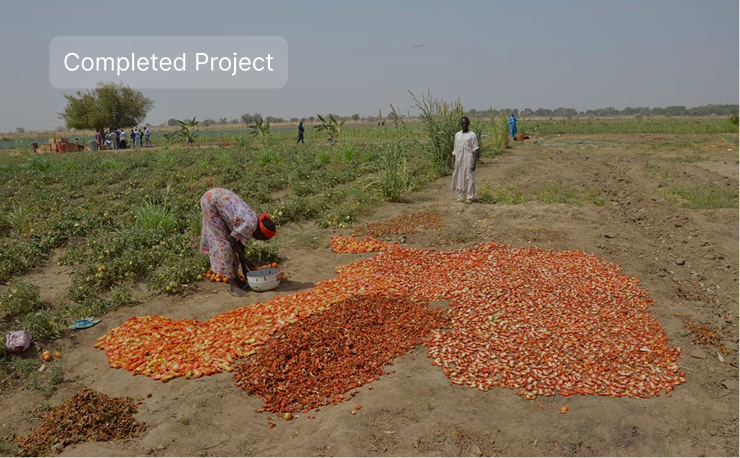
The Sustainable Development Programme of the Lake Chad Basin (PRODEBALT) is one of the responses to the serious problems confronting…
|
Monday
|
Tuesday
|
Wednesday
|
Thursday
|
Friday
|
Saturday
|
Sunday
|
|---|---|---|---|---|---|---|
4 events,
The Sustainable Development Programme of the Lake Chad Basin (PRODEBALT) is one of the responses to the serious problems confronting… 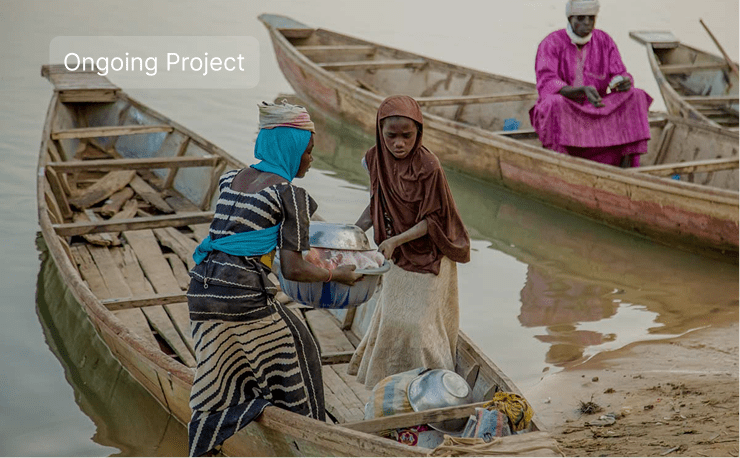
Overview This module is part of the broader technical cooperation between the Lake Chad Basin Commission (LCBC) and the Federal Institute for Geosciences and Natural Resources (BGR), funded by the German Federal Ministry for Economic Cooperation and Development (BMZ). The project supports LCBC in strengthening its competencies for transboundary groundwater resource management in the Lake Chad Basin. 
Applied Water Resource Management in the Lake Chad Basin (2019–2022) Strengthening Transboundary Water Governance, Climate Resilience, and Livelihoods From 2019 to 2022, the Lake Chad Basin Commission (LCBC/CBLT) implemented the project “Applied Water Resource Management in the Lake Chad Basin”, a multi‑country initiative aimed at strengthening institutional capacity, improving transboundary water governance, and supporting climate-resilient livelihoods across one of Africa’s most fragile and strategically important ecosystems. Supported by the German Federal Ministry for Economic Cooperation and Development (BMZ) and implemented with the Deutsche Gesellschaft für Internationale Zusammenarbeit (GIZ), the €5 million project was embedded in LCBC’s broader mandate to ensure sustainable and equitable management of the Basin’s shared water resources. Context: A Basin Under Pressure The Lake Chad Basin—shared by Cameroon, Chad, Niger, Nigeria, the Central African Republic, and Libya—is globally recognised for its ecological significance and socio-economic value. Yet, decades of climate change, water scarcity, land degradation, and rapid population growth have intensified competition over natural resources. These pressures have further been compounded by insecurity, forced displacement, and fluctuating hydrological conditions. To respond effectively, LCBC requires robust data systems, strengthened technical capacity, and well-coordinated governance mechanisms that involve governments, communities, and civil society. The project directly supported LCBC in these areas while simultaneously piloting and scaling up practical climate-adaptation solutions at community level. Project Objectives The project pursued a central goal: Enhance LCBC’s capacity to implement transboundary water resource management measures that integrate climate change adaptation and support sustainable agricultural production. Three core objectives guided implementation: Improve cooperation between LCBC and its member states through strengthened planning processes, enhanced advisory functions, and streamlined coordination mechanisms. Operationalize a regional governance structure in the transboundary Waza–Logone/Yaéré area to identify resource-use challenges and jointly develop solutions. Strengthen LCBC’s technical capacity to develop, manage, and implement measures that support sustainable agricultural production and climate change adaptation at community level. These objectives were pursued through policy advisory support, technical training, participatory planning processes, and field-level demonstration activities. Key Achievements (2019–2022) Strengthening LCBC’s Institutional Capacity A major achievement was the reinforcement of LCBC’s internal systems and technical competencies. The project: Enhanced the Lake Chad Information System (LIS)—a regional digital platform for environmental and hydrological data—improving data quality, accessibility, and use in decision-making. Supported the development and regular update of integrated watershed management tools, enabling LCBC and member states to coordinate transboundary interventions more effectively. Strengthened strategic planning, project management, and monitoring functions across LCBC departments. These improvements have increased LCBC’s credibility among regional and international partners, earning recognition in follow-on initiatives such as the World Bank’s PROLAC programme. Establishing Regional Governance Mechanisms In the Waza–Logone/Yaéré wetland zone, the project facilitated the establishment of a regional coordination and dialogue platform bringing together: Water user associations Civil society actors Local authorities and technical agencies Research institutions This platform is now an official mechanism under the LCBC Water Charter, giving local communities a voice in managing shared water resources and enabling joint identification of cross-border challenges such as flooding, grazing conflicts, fisheries management, and agricultural pressures. Promoting Climate-Smart and Conflict-Sensitive Livelihoods Working with local NGOs and agricultural extension services, the project scaled up Good Agricultural Practices (GAPs) among farming households in the intervention zone. These included: Climate-smart water and soil management techniques Improved seeds and sustainable crop production methods Community-level training through farmer field schools Targeted support to women’s agricultural groups More than 2,000 households adopted these practices, improving food security and helping reduce local tensions over land and water resources as competition intensified. Improved Resilience and Impact on Development Goals The project directly contributed to several Sustainable Development Goals: SDG 2 – Zero Hunger: by improving agricultural productivity and resilience. SDG 5 – Gender Equality: by integrating women’s groups into training and decision-making. SDG 6 – Clean Water and Sanitation: by enhancing transboundary water governance structures. SDG 13 – Climate Action: through climate-adopted farming systems and watershed planning tools. Lessons Learned Permanent in-country technical presence greatly enhanced LCBC’s operational effectiveness, fostering trust and improving day-to-day collaboration. Integrated watershed management tools—combined with the improved LIS—proved essential for evidence-based decision-making. Building community ownership through participatory platforms reduced conflict risks and supported long-term sustainability. Flexibility and adaptive management, especially during COVID‑19 disruptions, were critical to maintaining project momentum. Sustainability and Way Forward The project received an overall rating of “successful”, demonstrating strong institutional impact and improvements in LCBC’s technical performance. The strengthened LIS, regional governance platforms, and capacity-building outcomes now serve as foundations for continued progress. These achievements feed directly into the follow-on programme “Applied Water Resource Management in the Lake Chad Basin – Phase II (2023–2025)”, which further expands LCBC’s role as a regional hub for climate-resilient and conflict-sensitive water governance. Conclusion Between 2019 and 2022, the Applied Water Resource Management project significantly advanced LCBC’s mandate to safeguard the Basin’s shared water resources, enhance regional cooperation, and support climate-resilient livelihoods. In a context marked by fragility and environmental stress, the project demonstrated that strengthened institutions, empowered communities, and data-driven decision-making are key to securing sustainable development in the Lake Chad Basin. LCBC will continue building on these gains as it leads regional efforts toward environmental sustainability, peacebuilding, and prosperity for the millions who depend on Lake Chad. 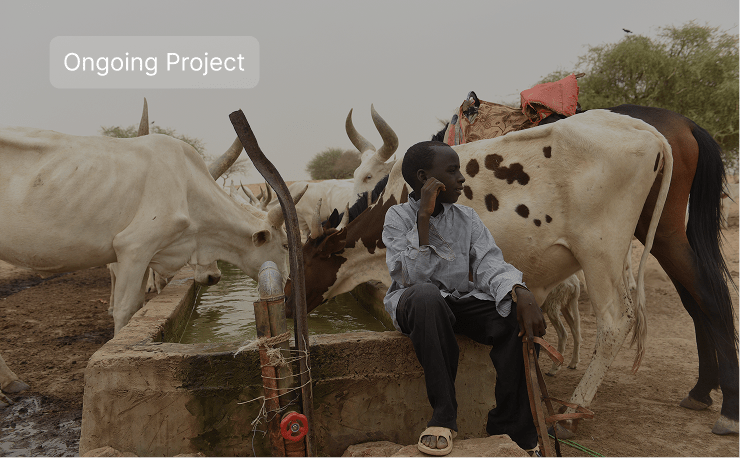
Lake Chad Region Recovery and Development Project - PROLAC - LCBC Project Overview The Lake Chad Region Recovery and Development Project (PROLAC) is a regional initiative funded by the World Bank through the International Development Association (IDA), aimed at supporting the recovery and resilience of communities in the Lake Chad Basin. The project is implemented by the Lake Chad Basin Commission (LCBC) alongside national governments of Cameroon, Chad, and Niger. Objective To contribute to the recovery of the Lake Chad Region by supporting regional coordination and crisis monitoring, improving connectivity, and strengthening agricultural livelihoods in selected provinces of Cameroon, Chad, and Niger. LCBC-Executed Component Component 1: Regional Lake Chad Knowledge and Monitoring Platform and Secretariat for the Development of the Lake Chad Region Budget: US$5 million (LCBC share) Objective: To reinforce regional dialogue, data monitoring and dissemination, citizen engagement, and social cohesion through the establishment of a regional knowledge and monitoring platform. Key Activities: Establishment of the LCBC PROLAC Project Implementation Unit (PIU): Coordinates regional dialogue and development vision. Facilitates knowledge creation and dissemination. Organizes learning and monitoring workshops. Development of the Knowledge and Monitoring Platform: Web-hosted platform integrating spatial and temporal datasets. Collaboration with academic and research institutions. Capacity building in data collection and geospatial analysis. Annual International Forum on the Development of the Lake Chad Region: High-level event bringing together stakeholders from member states, development partners, and local authorities. Platform for reporting, harmonizing strategies, and planning new initiatives. Support to the Regional Coordination Committee (RCC): Provides oversight and strategic guidance. Prepares joint action plans and statements. Expected Results: Operational regional knowledge platform. Increased access to development data. Strengthened regional cooperation and policy harmonization. Enhanced capacity of LCBC as a regional coordination body. Cross-Cutting Themes Gender Inclusion: Ensuring 50% participation of women in project activities and decision-making bodies. Youth Engagement: Targeted support for youth through training and employment opportunities. Climate Resilience: Integration of climate-smart practices and data into planning and implementation. Alignment with Strategic Frameworks Regional Strategy for Stabilization, Recovery and Resilience (RSS) World Bank’s Strategy for Fragility, Conflict, and Violence (2020–2025) Country Partnership Frameworks (CPF) for Cameroon, Chad, and Niger Contact Implementing Agency: Lake Chad Basin Commission (LCBC) Location: N'Djamena, Chad Email: PROLAC-CBLT@cblt.org Coordinator: Alio Abdoulaye |
4 events, |
4 events, |
4 events, |
4 events, |
4 events, |
4 events,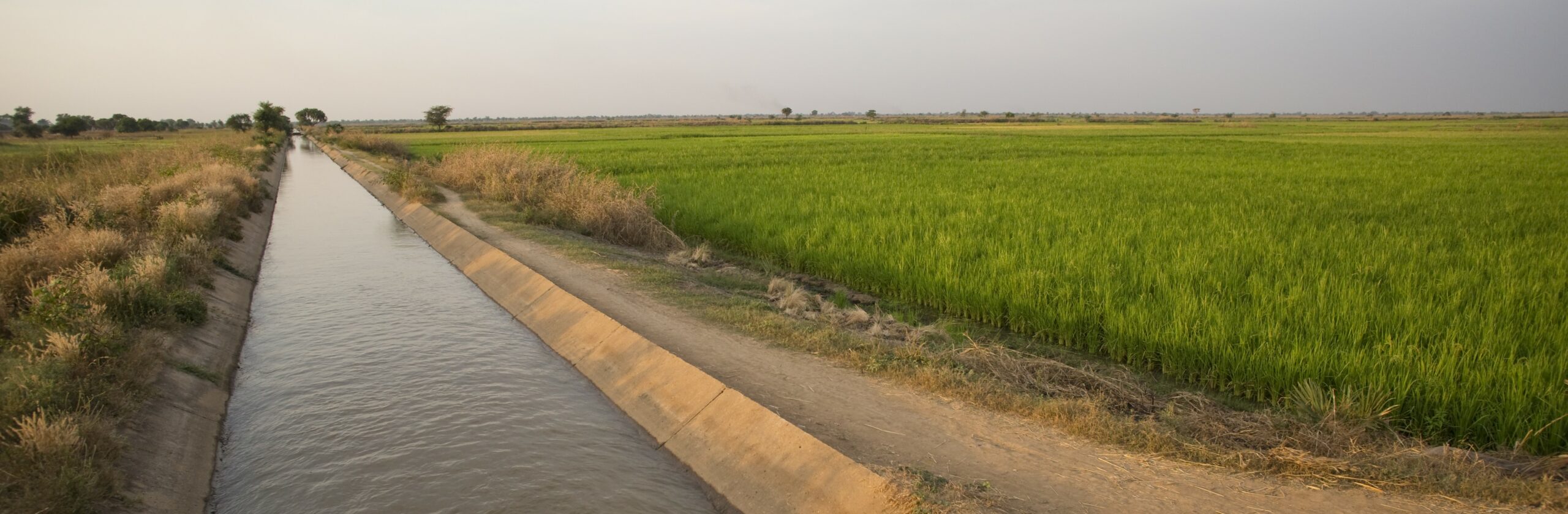
Applied Water Resource Management in the Lake Chad Basin (GIZ-CBLT 2023 – 2026) Project Overview The Lake Chad Basin Commission (LCBC), in partnership with the German Development Cooperation (GIZ), is implementing the project*“Applied Water Resource Management in the Lake Chad Basin”* to strengthen sustainable, climate-resilient and conflict-sensitive management of shared water resources across the region. Funded by the German Federal Ministry for Economic Cooperation and Development (BMZ), the project is being implemented from January 2023 to December 2026 across LCBC member countries, including Cameroon, Chad, Niger, Nigeria and the Central African Republic. Context and Rationale The Lake Chad Basin is a vital ecological and economic zone, supporting millions of people through agriculture, livestock, and fisheries. However, the basin faces increasing pressure from overuse of water resources, environmental degradation, and pollution. These challenges are further compounded by climate variability, resulting in heightened competition over resources and rising conflicts among communities. In response, the LCBC seeks to promote equitable, climate-resilient and environmentally sustainable management of transboundary water resources to support regional stability and livelihoods. Project Objective The project aims to strengthen the capacity of the LCBC to effectively guide its member states in managing water resources in ways that are: environmentally sustainable climate-adapted gender-responsive conflict-sensitive. Key Interventions To achieve its objective, the project focuses on several strategic actions: Strengthening Knowledge and Data Systems The project supports the development and enhancement of the Lake Chad Basin Information System, facilitating improved collection, processing, and use of data for informed decision-making on water resource management. Enhancing Advisory Capacity of LCBC Efforts are underway to establish a structured advisory forum that enables the LCBC to provide targeted, evidence-based guidance to its member countries on water governance and management practices. Promoting Multi-Stakeholder Engagement The project supports a partner platform on the Logone River, bringing together stakeholders, local communities, and institutions to identify pressing water-related challenges and jointly develop solutions tailored to local realities. Local communities, including farmers, fishermen, and livestock breeders, are trained as resource persons to promote sustainable practices such as: use of drought-resistant crops rainwater harvesting techniques resource-efficient agricultural methods These peer-to-peer learning approaches help disseminate knowledge widely and strengthen resilience at the grassroots level. Cross-Cutting Themes The project integrates several important cross-cutting priorities: Gender equality and inclusion Climate change adaptation Peacebuilding and conflict mitigation Participatory governance Expected Impact Through its interventions, the project is expected to: improve regional cooperation in water resource management strengthen LCBC’s institutional capacity enhance livelihoods through sustainable practices reduce tensions related to resource use support long-term environmental sustainability in the basin Conclusion The Applied Water Resource Management Project represents a strategic contribution to the LCBC’s mandate of fostering sustainable and peaceful use of shared natural resources. By combining technical support, institutional strengthening, and community engagement, the initiative lays the foundation for a more resilient and stable Lake Chad Basin. |
4 events, |
4 events, |
4 events, |
4 events, |
4 events, |
4 events, |
4 events, |
4 events, |
4 events, |
4 events, |
4 events, |
4 events, |
4 events, |
4 events, |
4 events, |
4 events, |
4 events, |
4 events, |
4 events, |
4 events, |
4 events, |
4 events, |
4 events, |
4 events, |
4 events, |
4 events, |
4 events, |
4 events, |
4 events, |
4 events, |
4 events, |
4 events, |
4 events, |
4 events, |
4 events, |