Lake Chad Basin Commission

+235 22 52 40 29

+235 22 52 41 45

info@cblt.org

Author name: Umar Abubakar

News & Press Releases

Regional Training on Transitional Justice Opens in Douala to Advance Peace and Justice in the Lake Chad Basin

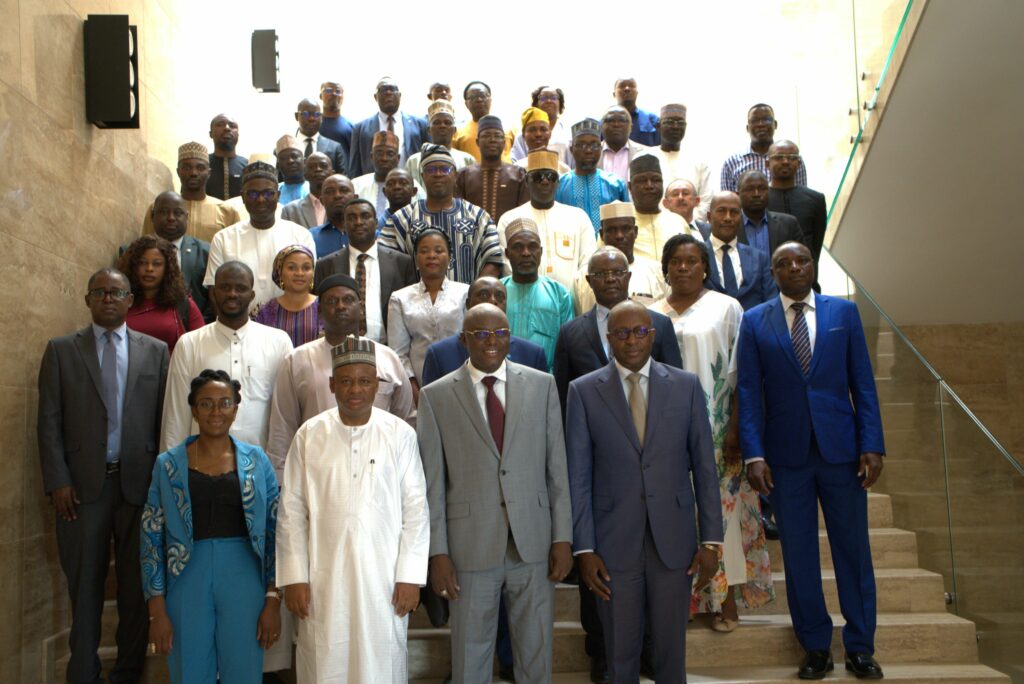
Regional Training on Transitional Justice Opens in Douala to Advance Peace and Justice in the Lake Chad Basin Douala, Cameroon – 29 June 2026 The Lake Chad Basin Commission (LCBC), in collaboration with the African Union Commission (AUC) and supported by key partners including UNDP, has launched a Regional Training on Transitional Justice in Douala, Cameroon. The three-day workshop brings together justice sector actors, policymakers, practitioners and experts from Cameroon, Chad, Niger, and Nigeria to strengthen regional efforts toward peace, accountability, and social cohesion. The opening ceremony was marked by high-level speeches and remarks from representatives of the Host Country Cameroun, the African Union, the United Nations Development Fund (UNDP) and the LCBC, reflecting a shared commitment to addressing the complex legacy of conflict affecting the Lake Chad Region. In his opening remarks, the Executive Secretary of the LCBC ably represented by the Technical Director, emphasized the urgency of addressing the long-term consequences of conflict in the region. He noted that while the Lake Chad Basin continues to face challenges such as insecurity, displacement, and social fragmentation, there is also renewed hope for healing and recovery through coordinated regional action. The training underscores the importance of transitional justice as a key pillar of stabilization. Rather than focusing solely on past violations, transitional justice is positioned as a forward-looking framework that promotes accountability, restores dignity to victims, rebuilds trust in institutions, and fosters reconciliation across communities. This training is part of ongoing efforts by the LCBC and its partners to operationalize the Regional Strategy for the Stabilization, Recovery and Resilience (RS-SRR 2.0), which recognizes transitional justice as essential for sustainable peace. The RS-SRR2.0 emphasizes a humanitarian–development–peace nexus approach, linking security interventions with long-term recovery and governance reforms to address the root causes of instability. Participants will deepen their understanding of transitional justice principles aligned with the African Union Transitional Justice Policy, while ensuring that these approaches remain grounded in the realities of the Lake Chad Basin. The Lake Chad Basin faces interconnected challenges that underscore the need for a comprehensive approach to justice and peacebuilding. These include: These factors have contributed to widespread displacement, socio-economic vulnerabilities, and erosion of trust between communities and state institutions. Against this backdrop, transitional justice provides a framework for addressing grievances, promoting inclusion, and preventing the recurrence of violence by placing the victims and communities at the center of the process. Building Capacity and Ownership With over 40 participants drawn from justice institutions, government agencies, and regional organizations, the training aims to: The interactive training methodology includes expert presentations, case studies, and group discussions designed to translate policy principles into practical actions. The LCBC expressed appreciation to its partners, including the African Union, UNDP, UNODC, IOM, BICC, ISS, and other technical and financial contributors, for their continued support in advancing peace and stability in the region. UNDP, in its remarks, reaffirmed its commitment to supporting transitional justice as a complementary mechanism that strengthens accountability, promotes inclusion, and ensures that recovery processes leave no one behind. The Role of the LCBC in Regional Stability Established in 1964, the Lake Chad Basin Commission plays a central role in promoting regional cooperation, sustainable resource management, and peace and security across its Member States. Through initiatives such as the Strategic Action Programme (SAP 2023–2037) and RS-SRR2.0, the Commission continues to drive efforts aimed at improving livelihoods, strengthening resilience, and fostering long-term stability in one of Africa’s most complex regions.   Over the next three days, participants will engage in in-depth discussions on key thematic areas, including accountability mechanisms, gender and inclusion, psychosocial support, and community-based justice systems. The outcomes of the training are expected to contribute significantly to shaping a coherent, context-specific transitional justice policy for the Lake Chad Basin. As the region continues its journey from crisis to recovery, this training marks an important milestone in building a shared vision for justice, reconciliation, and sustainable peace.  Follow LCBC on X (Twitter): @lcbc_cblt

News & Press Releases

LCBC Launches PARFEBALT Project to Restore Lake Chad Basin Ecosystems and Livelihoods

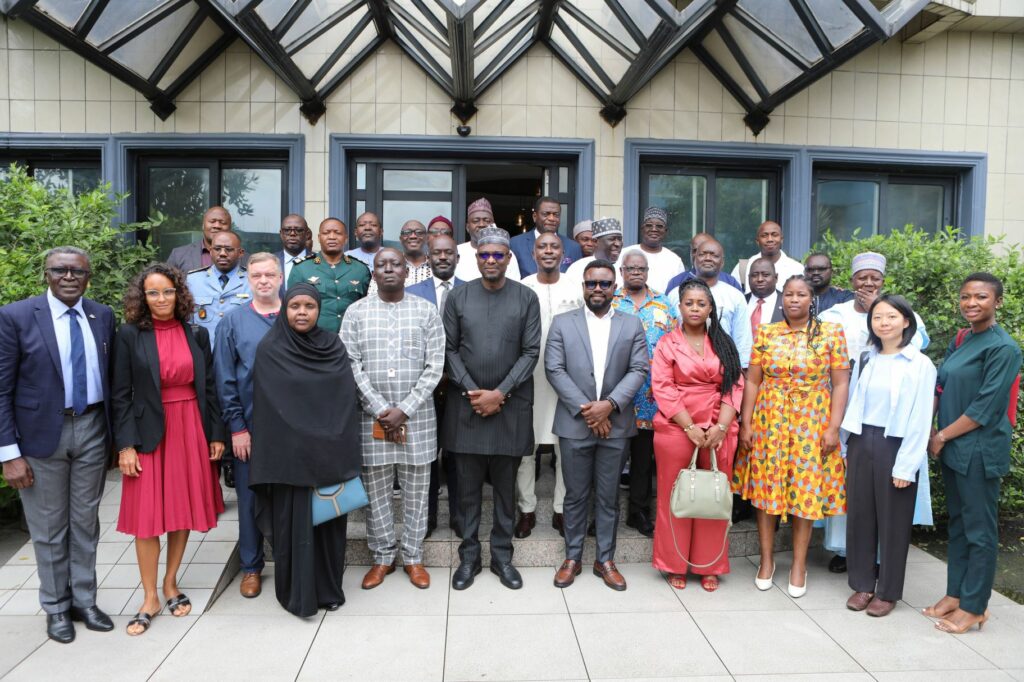
LCBC Launches PARFEBALT Project to Restore Lake Chad Basin Ecosystems and Livelihoods N’Djamena, Chad – 4 May 2026 The Lake Chad Basin Commission (LCBC), in partnership with the African Development Bank (AfDB), has officially launched the Project to Support the Restoration of the Ecological and Economic Functions of the Lake Chad Basin (PARFEBALT) in N’Djamena, Chad. The five-day workshop (4–8 May 2026) brings together key stakeholders from LCBC Member States, technical and financial partners, and regional institutions, marking a critical milestone in efforts to revitalize the Lake Chad Basin. The opening ceremony was chaired by the Honourable Minister of Water and Energy of Chad, the Executive Secretary of the LCBC, representatives of the African Development Bank, the African Union, and other distinguished partners. A Strategic Project for a Fragile Ecosystem The Lake Chad Basin is one of Africa’s most important transboundary ecosystems, supporting the livelihoods of over 45 million people across Cameroon, Chad, Niger, Nigeria, and the Central African Republic. However, the basin has faced decades of environmental degradation driven by climate change, reduced water inflows, and growing pressure on natural resources. In response to these challenges, PARFEBALT has been designed as a regional technical support initiative to build the foundations for large-scale restoration of the basin’s ecological and economic functions, while strengthening the resilience of its populations. The project, financed by the African Development Bank to the tune of UA 7 million, will focus on enhancing knowledge of water resources, improving governance, and mobilizing investments for long-term revitalization efforts. Official Launch and Key Messages In his opening remarks, the Executive Secretary of the LCBC Amb. Ibrahim Babani emphasized the significance of the initiative, stating: “The launch today represents a decisive step in affirming the shared, united, and visionary commitment of Member States of the LCBC to safeguard Lake Chad and its sustainable development.” He further highlighted the urgency of action in the basin: “The Lake Chad Basin… continues to face challenges of considerable magnitude, including climate variability and change, the gradual degradation of ecosystems, and increased pressure on natural resources.” According to the Executive Secretary, PARFEBALT will play a critical role in strengthening technical capacity, improving monitoring systems, and mobilizing resources for large-scale regional investments, particularly for improving the hydraulic capacity of the Chari–Logone and Komadugu-Yobe river systems. Objectives of the Kickoff Workshop The Kickoff Workshop serves as the official starting point for the implementation of PARFEBALT and aims to: The workshop will also include training sessions on project management procedures and a field visit to highlight key environmental challenges in the basin. Building Foundations for Long-Term Impact PARFEBALT is structured around three main components: Through these components, the project aims to generate bankable investment programmes, improve climate resilience, and enhance coordination among countries sharing the basin. The initiative is aligned with the LCBC Strategic Action Programme (2023–2035) and contributes to broader regional and global goals, including climate action, sustainable water management, and ecosystem restoration. The launch of PARFEBALT marks a renewed commitment by Member States and partners to restore livelihoods, ecosystems, and stability in one of Africa’s most vulnerable yet vital regions. 👉 Read the full Press Release here

News & Press Releases

LCBC Holds 71st Ordinary Session of the Council of Ministers

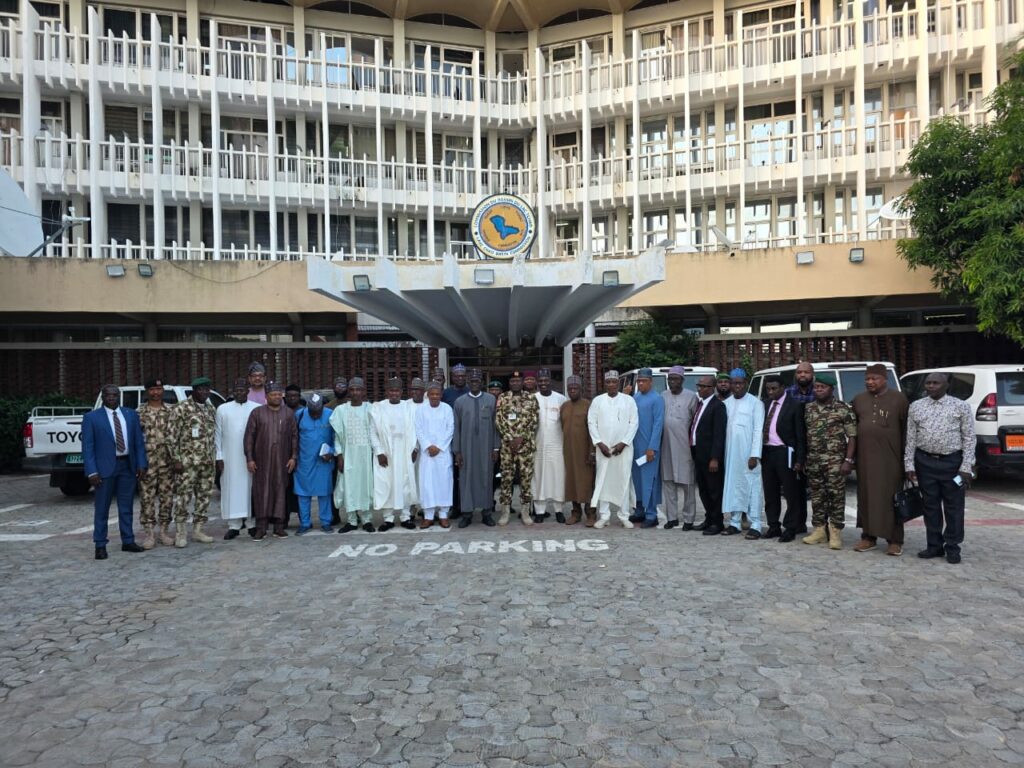
LCBC Holds 71st Ordinary Session of the Council of Ministers N’Djamena, Chad – 6 March 2026The Lake Chad Basin Commission (LCBC) convened its 71st Ordinary Session of the Council of Ministers in N’Djamena, Chad under the distinguished chairmanship of H.E. Passalé Kanabé Marcelin, Honourable Minister of Water Resources and Energy of the Republic of Chad and current Chair of the Council of Ministers. Delegations from all Member States, technical experts, and development partners participated in the session. The Council formally adopted the 2025 Annual Activity Report of the Executive Secretariat  which highlighted the Commission’s progress in advancing regional cooperation, development projects, and stabilization efforts across the Basin. The report also noted persistent operational challenges, including financial constraints and insecurity. The Council further approved the 2026 Annual Workplan and Budget, valued at approximately 15.14 billion FCFA, reflecting the Commission’s commitment to strengthening climate resilience, ecosystem restoration, regional peace, and sustainable water resource management. In presenting the 2025 Annual Report, the Executive Secretary Amb. Mamman NUHU provided a brief overview of institutional performance, noting improvements in programme implementation, project monitoring, and international cooperation. He also underscored the need for strengthened financial contributions from Member States to ensure uninterrupted operations and effective delivery of the Commission’s mandate. This 71st Session marked the final appearance of Amb. Mamman Nuhu as Executive Secretary, concluding eight years of impactful service. The Council commended his leadership and approved the nomination of Amb. Ibrahim Babani as the new Executive Secretary, ensuring continuity and stability in the Commission’s executive management. Reflecting on his tenure, Amb. Nuhu expressed heartfelt appreciation to Member States, partners, and staff: “Serving as Executive Secretary of the Lake Chad Basin Commission and Head of Mission of the MNJTF has been a great honour. I leave office with immense pride in what we have accomplished together, and with abiding faith in the future of our region. May the Lake Chad Basin Commission continue to grow in strength, relevance, and impact.”Amb. Mamman Nuhu, Executive Secretary, LCBC / Head of Mission, MNJTF. The Council reaffirmed its commitment to supporting the Commission’s programmes and priorities for 2026. With the adoption of key strategic documents and a smooth leadership transition, the LCBC is well positioned to deepen regional cooperation and enhance sustainable development, peace, and resilience across the Lake Chad Basin.

Scroll to Top